
CDN comparisons,
without the vendor deck.
Written by people who benchmark these networks for a living, and who get paid the same whichever one you choose.
Trusted by 100+ enterprises worldwide
Every comparison, measured.
Every provider pairing we’ve benchmarked, from the global majors to the regional specialists.
 Deep dive
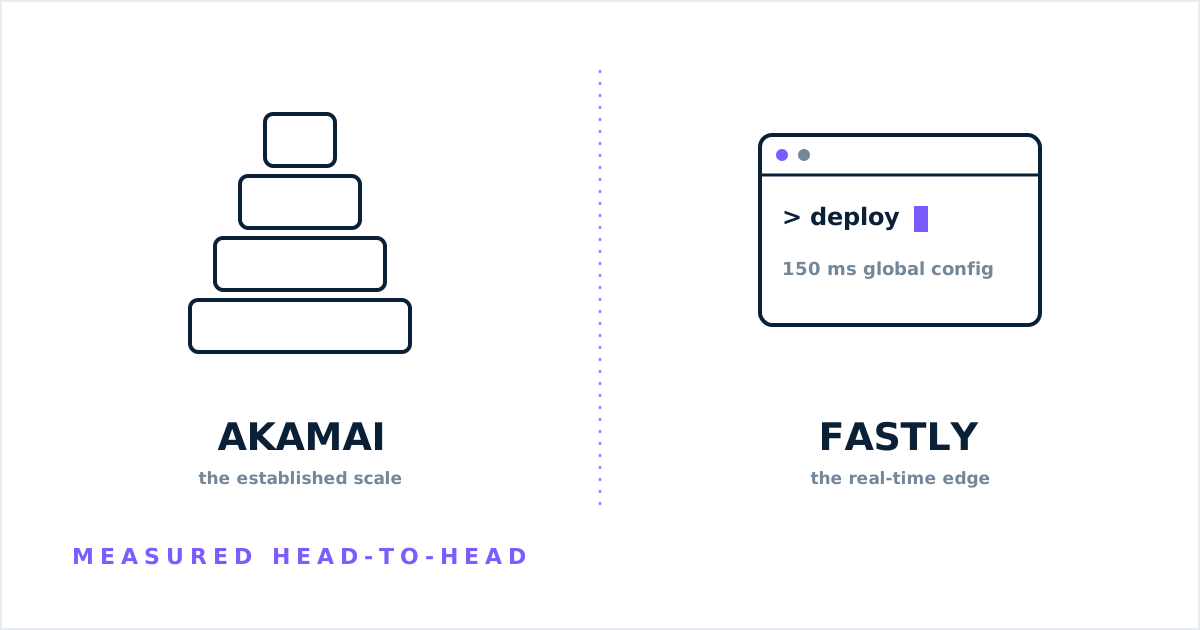
Akamai vs Fastly: scale against the real-time edge.
Deep dive
Akamai vs Fastly: scale against the real-time edge. The largest, longest-established edge platform against the developer-centric real-time network — pricing posture and who each fits.
 Deep dive
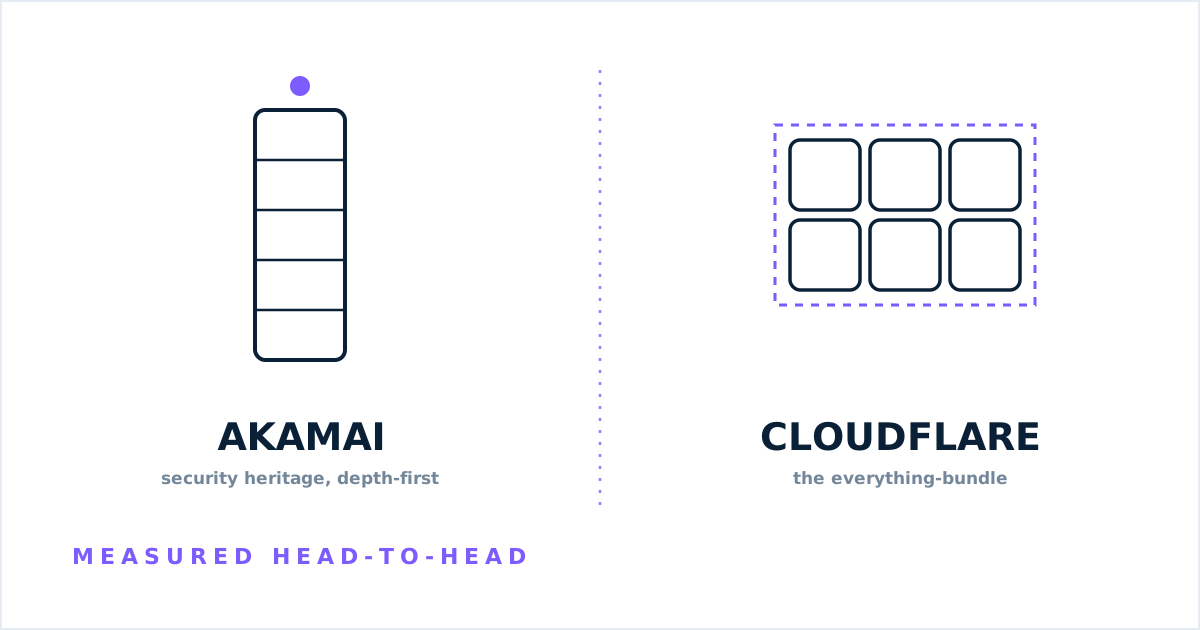
Akamai vs Cloudflare: two philosophies of enterprise edge.
Deep dive
Akamai vs Cloudflare: two philosophies of enterprise edge. Scale and security heritage against the bundled everything-network.
 Deep dive
Fastly vs Cloudflare: a close call your traffic decides.
Deep dive
Fastly vs Cloudflare: a close call your traffic decides. Instant config and developer tooling against breadth and bundling.
 Deep dive
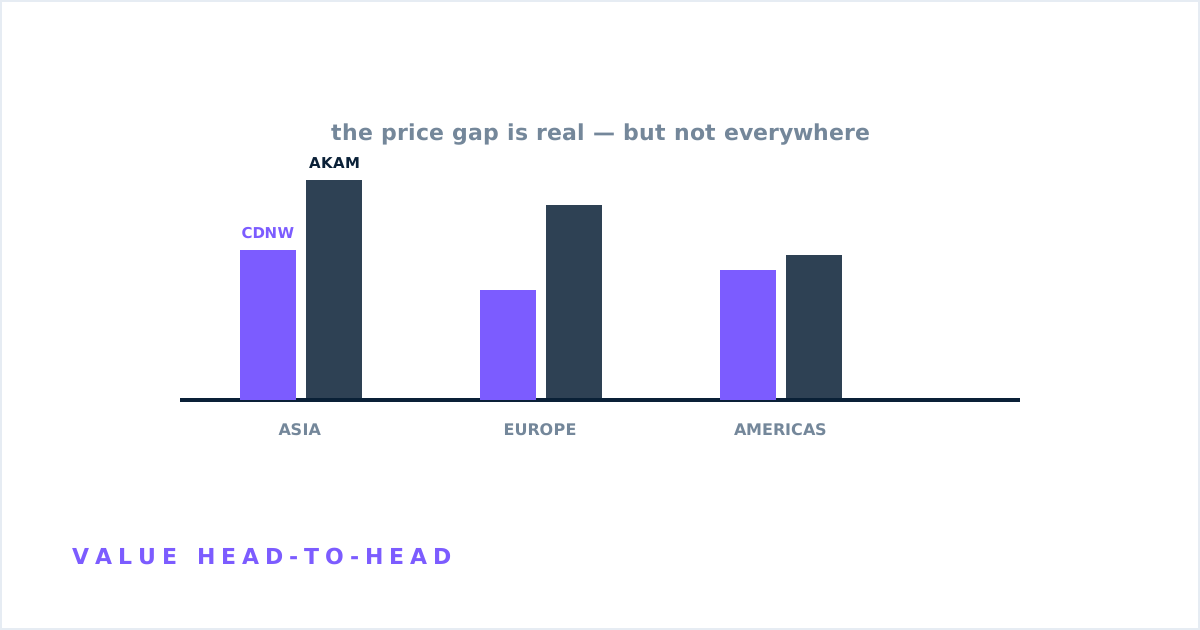
CDNetworks vs Akamai: where the price gap is real.
Deep dive
CDNetworks vs Akamai: where the price gap is real. The Asia-strong value network against the industry incumbent — and where the gap isn’t.
 Deep dive
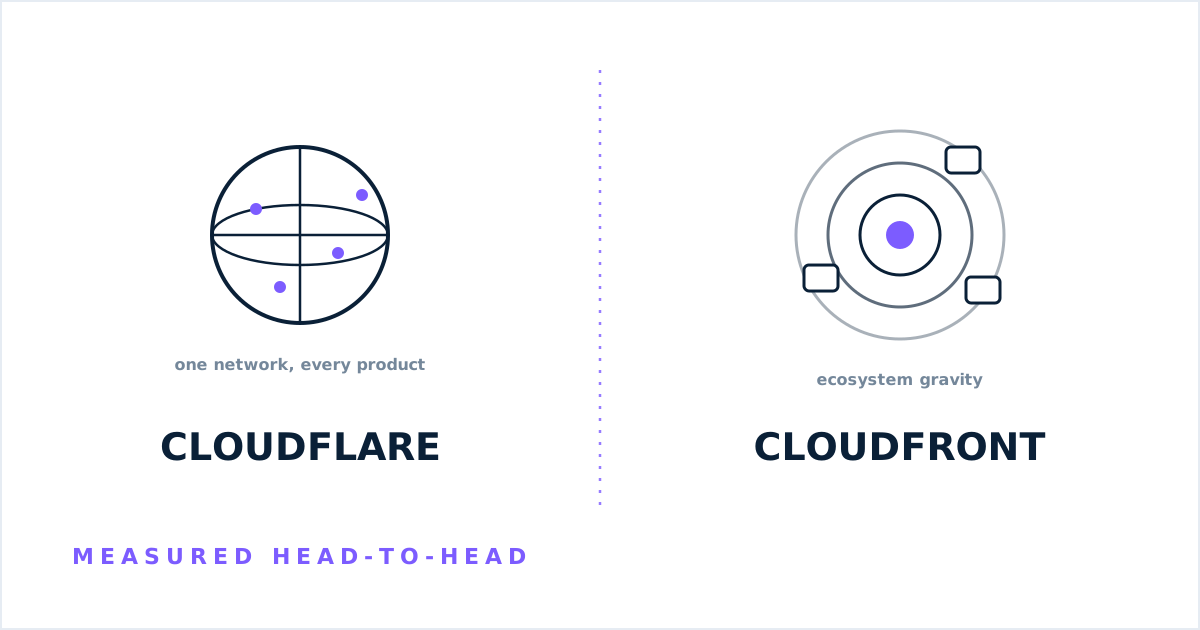
Cloudflare vs AWS CloudFront: bundle vs ecosystem gravity.
Deep dive
Cloudflare vs AWS CloudFront: bundle vs ecosystem gravity. When AWS-native convenience is worth it, and when it isn’t.
 Versus
Imperva CDN vs Reblaze (Link11): security-first delivery.
Versus
Imperva CDN vs Reblaze (Link11): security-first delivery. When the WAF is the product and the CDN is the vehicle: two security-natives compared.
 Versus
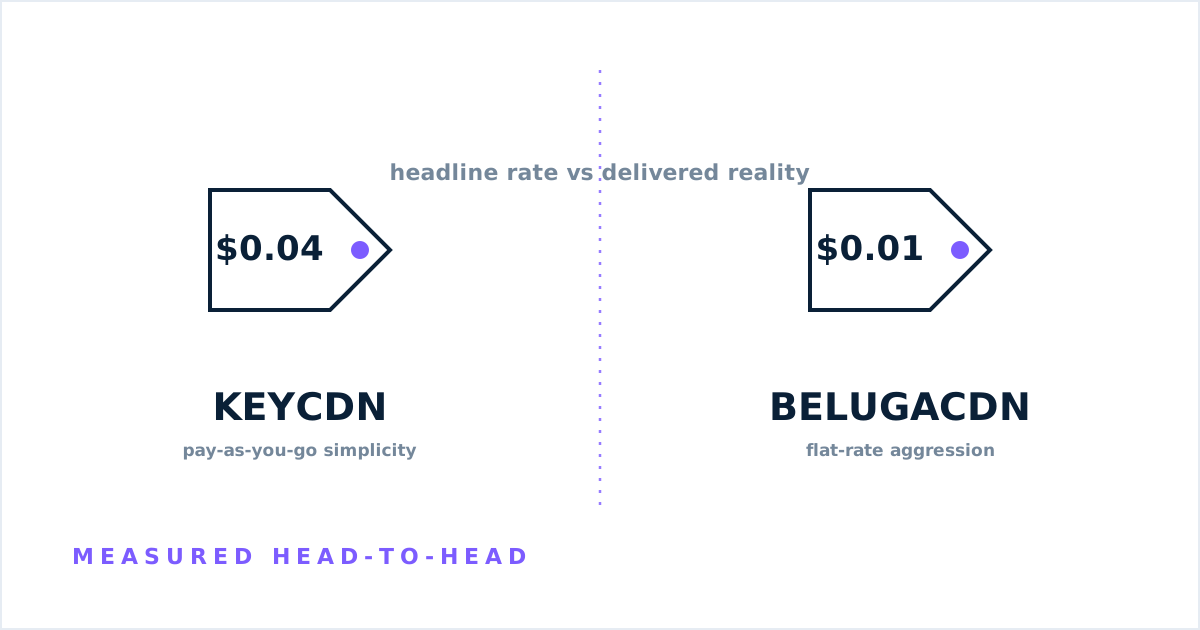
KeyCDN vs BelugaCDN: the lean networks.
Versus
KeyCDN vs BelugaCDN: the lean networks. Small teams, small prices, real engineering: what the minimalists trade and keep.
 Versus
Huawei Cloud CDN vs Baidu AI Cloud CDN.
Versus
Huawei Cloud CDN vs Baidu AI Cloud CDN. The engineering giant against the search giant: China’s second hyperscaler pairing.
 Versus
Leaseweb CDN vs CacheFly: bandwidth veterans.
Versus
Leaseweb CDN vs CacheFly: bandwidth veterans. A hosting empire’s delivery arm against the original TCP-anycast specialist.
 Versus
Gcore vs OVHcloud CDN: European infrastructure edges.
Versus
Gcore vs OVHcloud CDN: European infrastructure edges. Two Europe-rooted platforms with different centers of gravity: an edge-and-AI network versus a hosting giant’s utility CDN.
 Versus
ImageEngine vs Medianova: media optimization specialists.
Versus
ImageEngine vs Medianova: media optimization specialists. Device-aware image intelligence against a media-first regional network.
 Versus
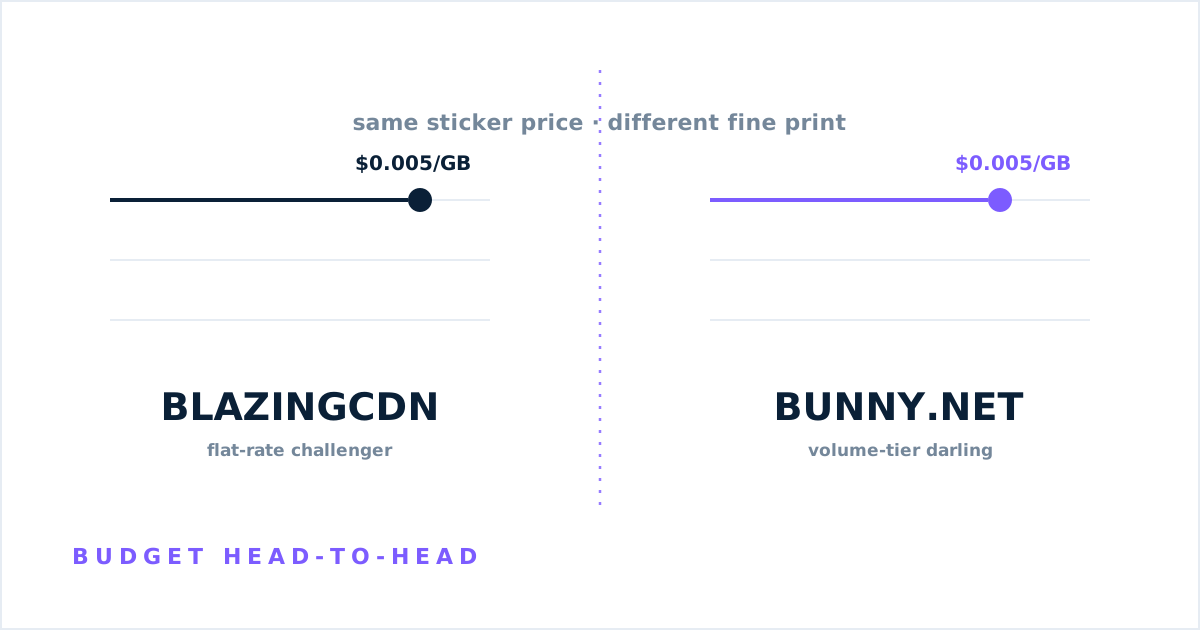
BlazingCDN vs Bunny.net: price-performance sharpened.
Versus
BlazingCDN vs Bunny.net: price-performance sharpened. Two aggressive challengers compared where their pitch overlaps: maximum delivery per dollar.
 Versus
Azure CDN vs Azure Front Door: Microsoft’s two answers.
Versus
Azure CDN vs Azure Front Door: Microsoft’s two answers. Same vendor, different products, one clear direction of travel.
 Analysis
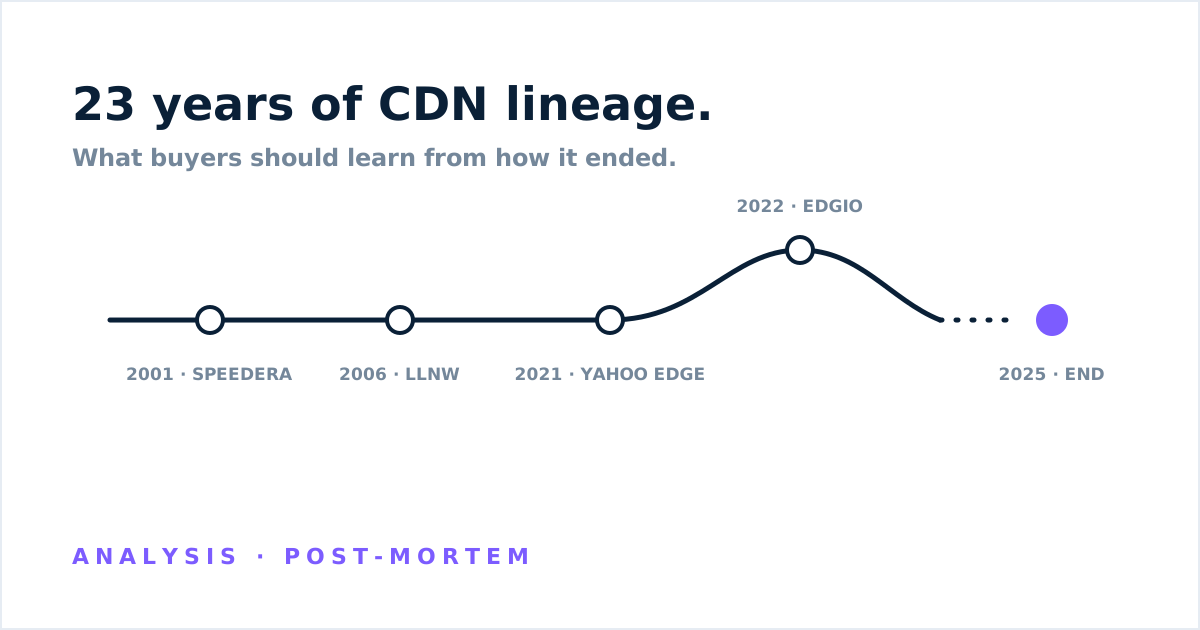
Edgio and the Verizon Media lineage: a technical post-mortem.
Analysis
Edgio and the Verizon Media lineage: a technical post-mortem. How 23 years of CDN history ended in January 2025, and what every buyer should learn from it.
 Versus
QUIC.cloud vs NitroPack: the site-optimizer CDNs.
Versus
QUIC.cloud vs NitroPack: the site-optimizer CDNs. When the CDN is the delivery arm of an optimization engine, for the WordPress-shaped web.
 Versus
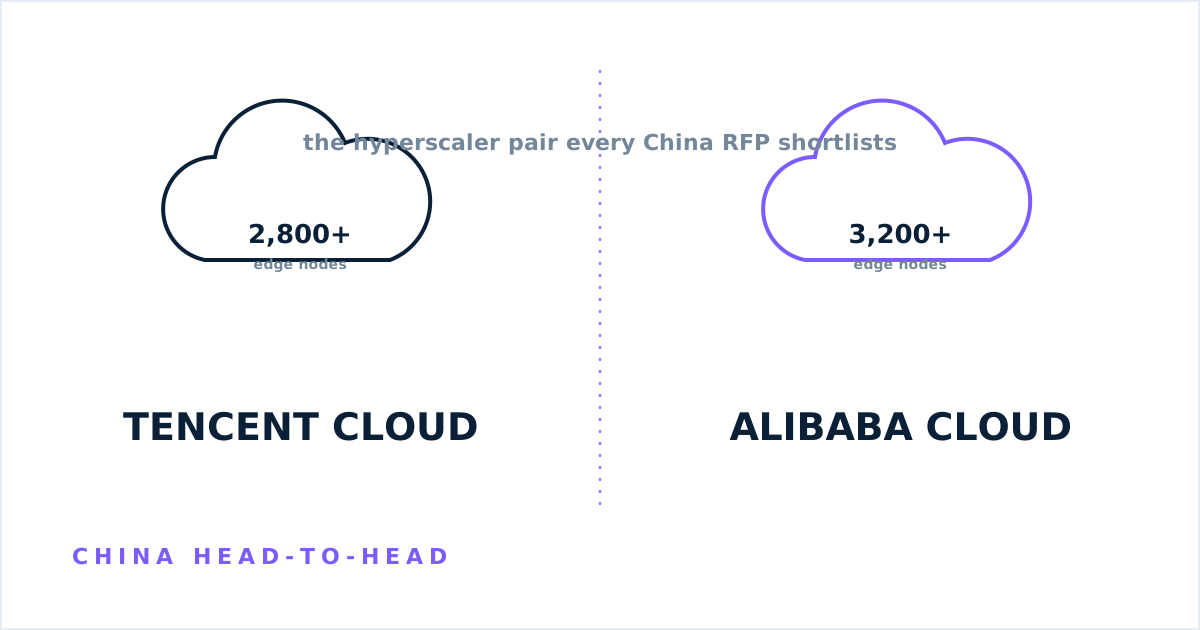
Tencent Cloud CDN vs Alibaba Cloud CDN.
Versus
Tencent Cloud CDN vs Alibaba Cloud CDN. China’s hyperscaler edges compared, for traffic that lives where they do.
 Versus
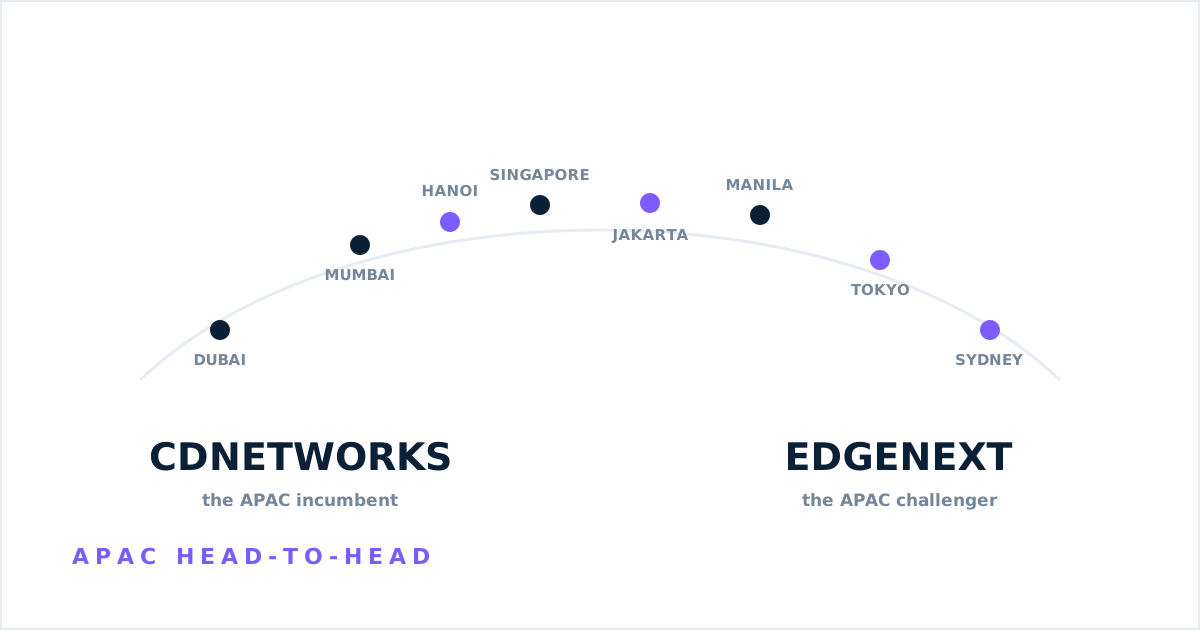
CDNetworks vs EdgeNext: the Asia specialists.
Versus
CDNetworks vs EdgeNext: the Asia specialists. Two networks built east-first, compared where Western maps run out of detail.
 Versus
Kingsoft Cloud CDN vs Volcengine CDN.
Versus
Kingsoft Cloud CDN vs Volcengine CDN. China’s challenger tier: the veteran independent against ByteDance’s traffic machine.
 Versus
Sucuri vs Myra: website shields at two altitudes.
Versus
Sucuri vs Myra: website shields at two altitudes. A mass-market site firewall against German critical-infrastructure engineering.
 Versus
Fastly vs Amazon CloudFront: the engineering trade.
Versus
Fastly vs Amazon CloudFront: the engineering trade. Instant VCL against AWS integration: what each architecture gives and takes.
 Versus
Google Cloud CDN vs Azure Front Door.
Versus
Google Cloud CDN vs Azure Front Door. Two hyperscaler edges with different souls: a cache bolted to a load balancer versus a global L7 front door.
 Versus
CDN77 vs Bunny.net: the value tier’s best argument.
Versus
CDN77 vs Bunny.net: the value tier’s best argument. Two networks that made cheap respectable, compared on the engineering that hides under the price.
 Versus
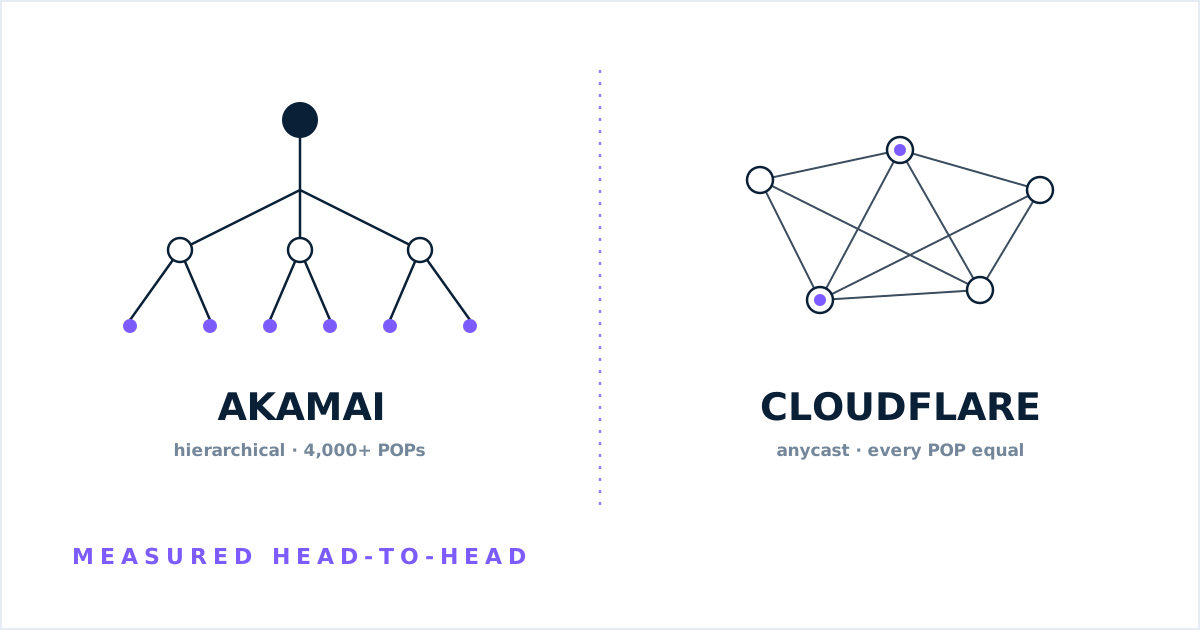
Akamai vs Cloudflare: a technical deep dive.
Versus
Akamai vs Cloudflare: a technical deep dive. DNS mapping versus anycast, depth versus bundle: the two biggest edges dissected for engineers.
 Versus
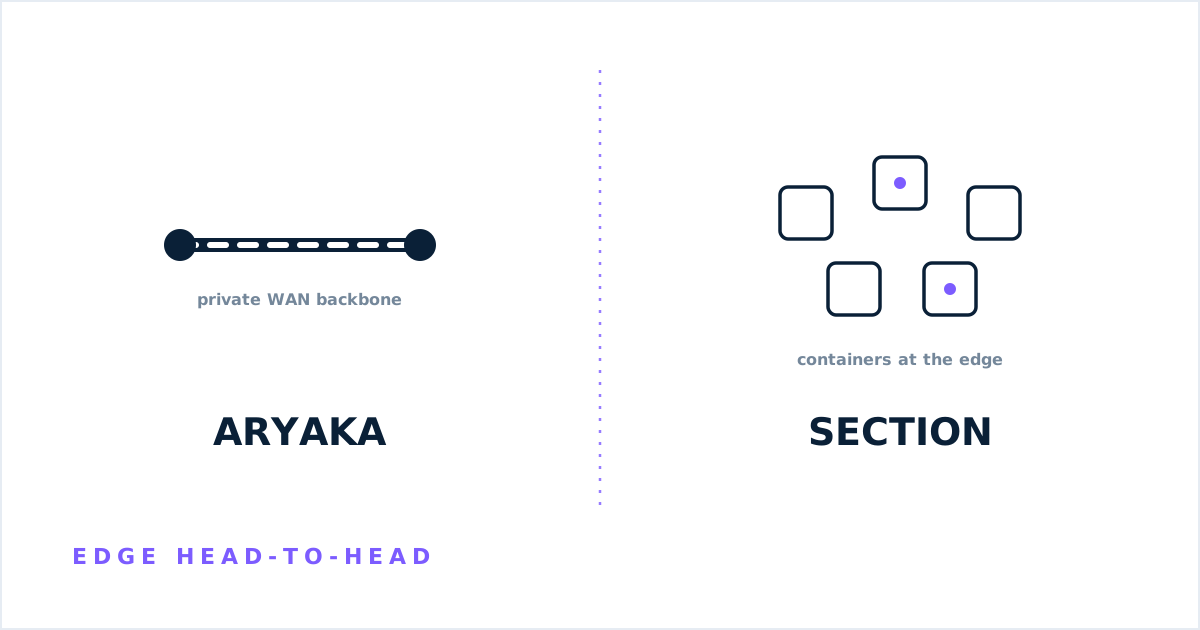
Aryaka SmartCDN vs Section: edge delivery as managed service.
Versus
Aryaka SmartCDN vs Section: edge delivery as managed service. Two answers to the same enterprise wish: someone else runs the edge, properly.
 Versus
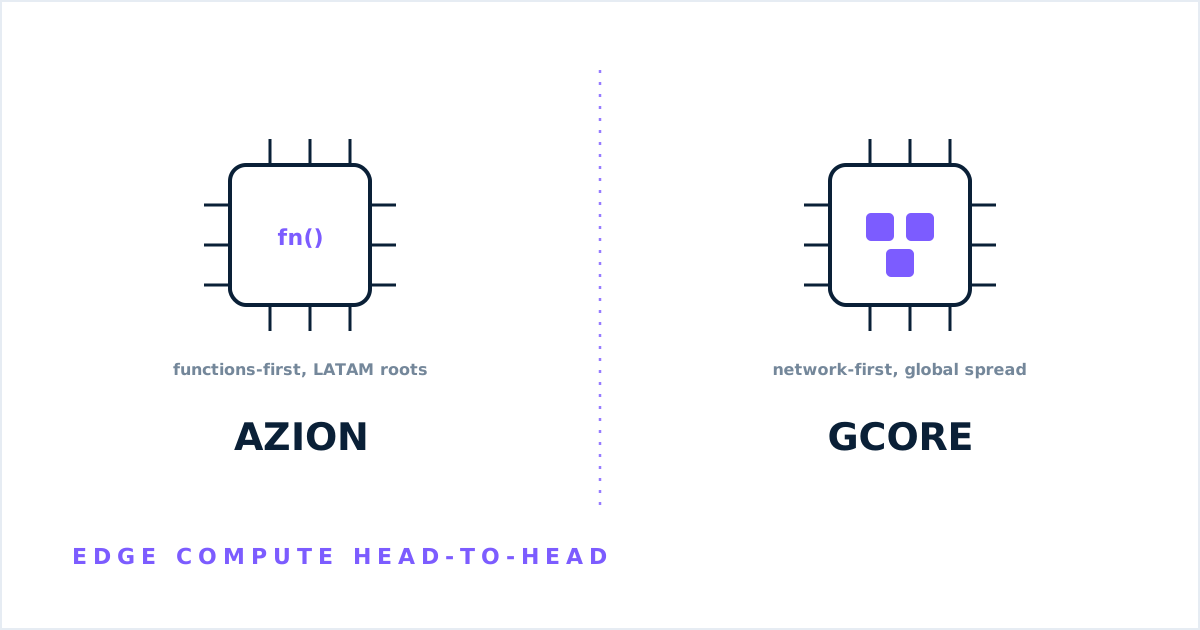
Azion vs Gcore: the emerging edge platforms.
Versus
Azion vs Gcore: the emerging edge platforms. Two ambitious full-stack edges from outside the usual capitals, compared on substance.
 Analysis
The technical anatomy of a CDN: how 37 networks actually differ.
Analysis
The technical anatomy of a CDN: how 37 networks actually differ. Request routing, cache hierarchy, programmability and observability: the four axes that separate every network on the market.
 Versus
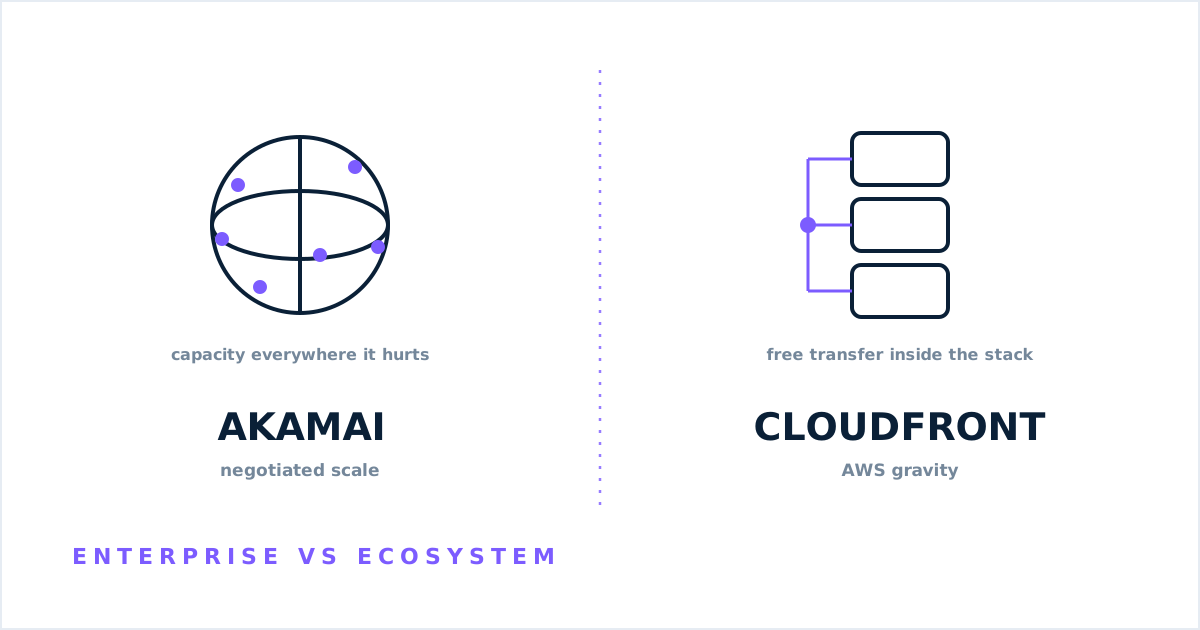
Akamai vs CloudFront: the enterprise-vs-ecosystem decision.
Versus
Akamai vs CloudFront: the enterprise-vs-ecosystem decision. Negotiated scale against AWS gravity — where the free origin transfer flips the maths, and where it doesn’t.
 Versus
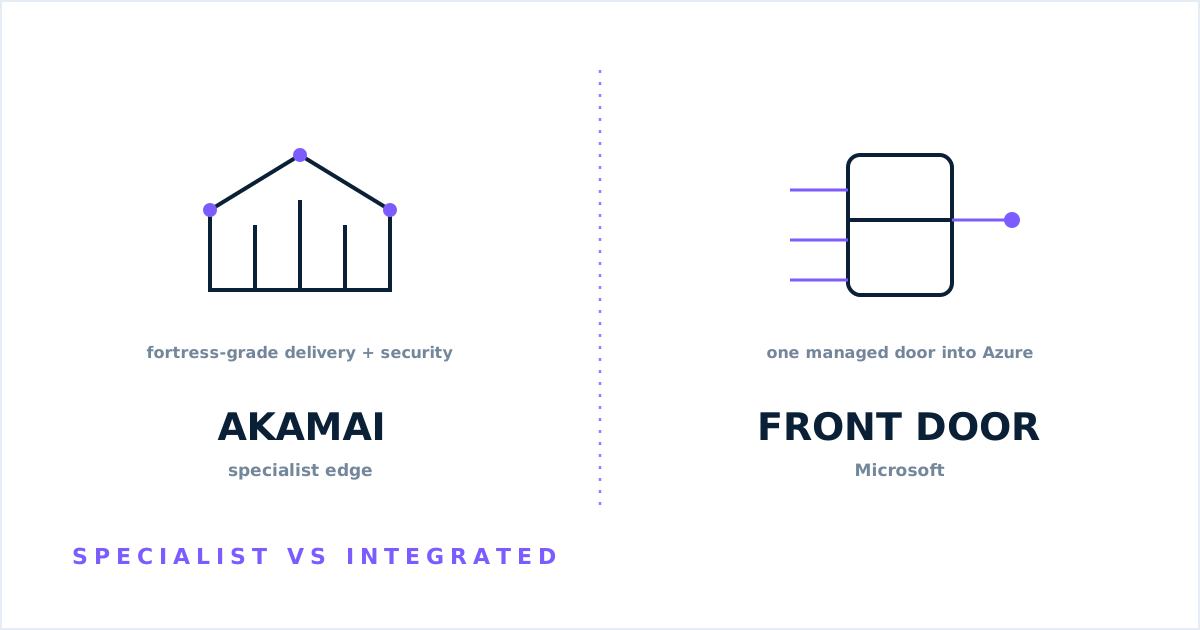
Akamai vs Azure Front Door: specialist edge vs the Azure default.
Versus
Akamai vs Azure Front Door: specialist edge vs the Azure default. Where Microsoft’s bundled front door is enough, and where an Azure estate still buys a specialist network.
 Versus
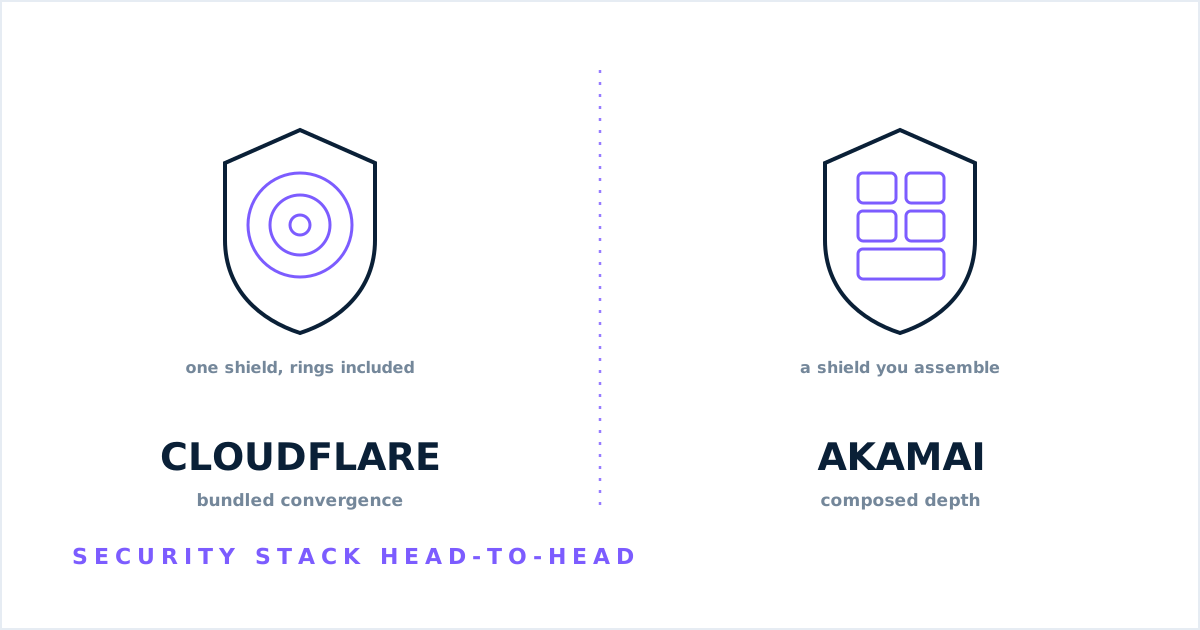
Cloudflare vs Akamai: two enterprise security stacks compared.
Versus
Cloudflare vs Akamai: two enterprise security stacks compared. Bundled everything against composed depth — WAF, bots, DDoS and API security, product by product.
 Versus
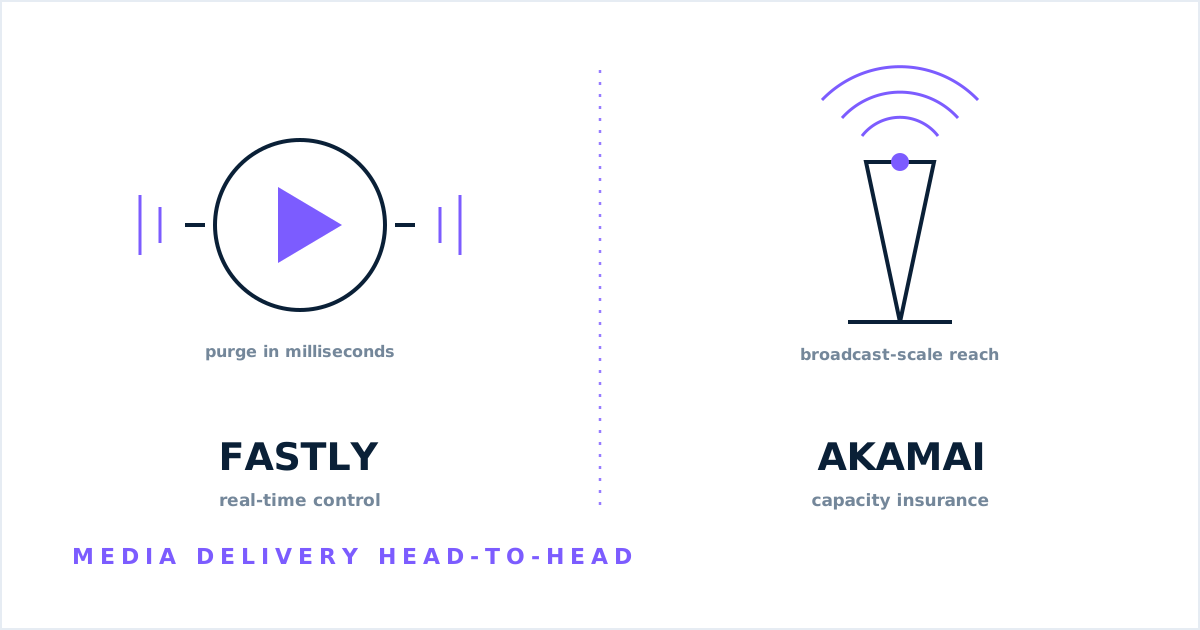
Fastly vs Akamai for media delivery.
Versus
Fastly vs Akamai for media delivery. Real-time control against broadcast-scale capacity — which network carries your streams, and when both do.
 Versus
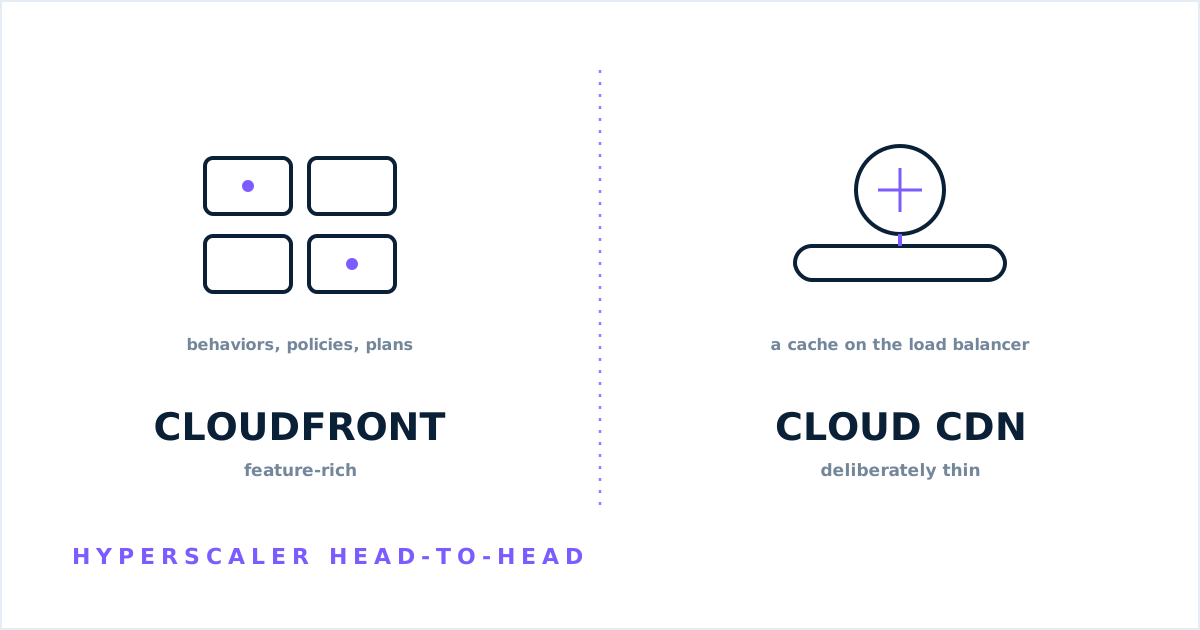
CloudFront vs Google Cloud CDN: two hyperscaler instincts.
Versus
CloudFront vs Google Cloud CDN: two hyperscaler instincts. AWS’s feature-rich distributions against Google’s deliberate minimalism — the meters, side by side.
 Versus
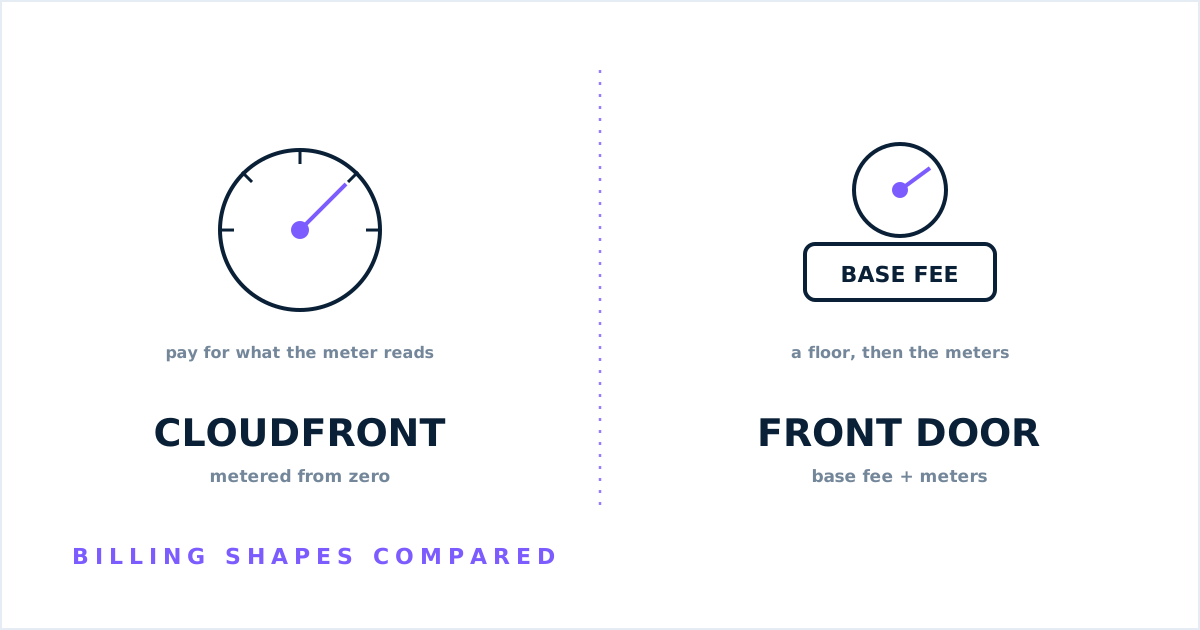
CloudFront vs Azure Front Door: two billing shapes collide.
Versus
CloudFront vs Azure Front Door: two billing shapes collide. Pure metering against base-fee-plus-meters — and why the crossover point sits lower than most teams think.
 Versus
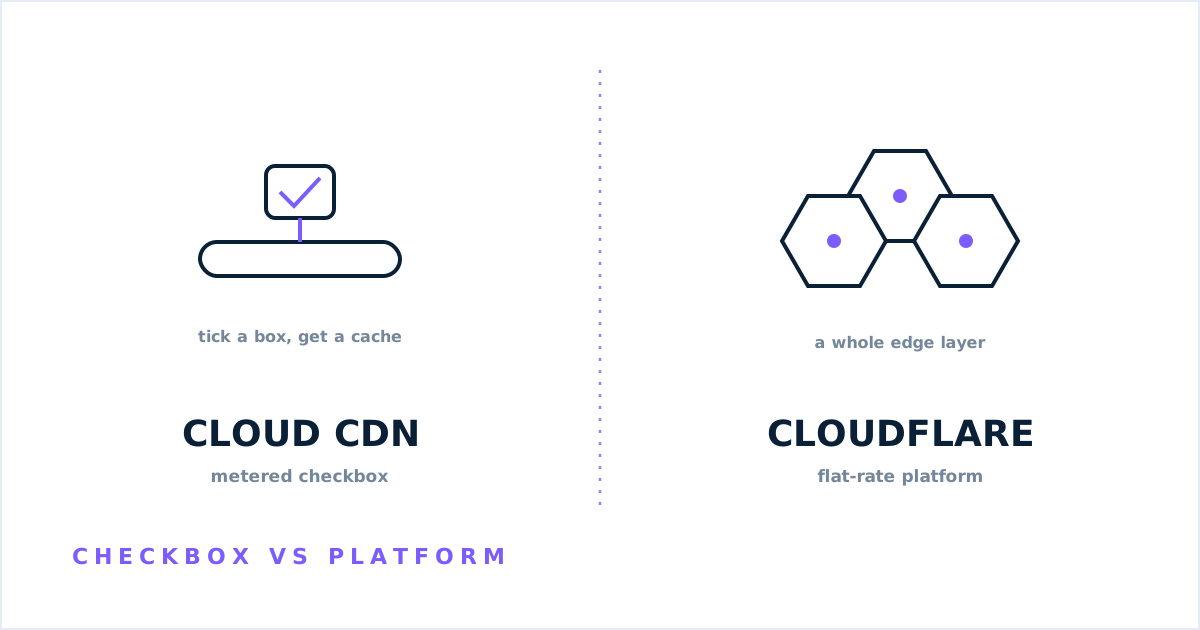
Google Cloud CDN vs Cloudflare: checkbox vs platform.
Versus
Google Cloud CDN vs Cloudflare: checkbox vs platform. Metered GCP delivery against flat-rate everything — where each model wins on a GCP-native stack.
 Versus
Fastly Compute vs Cloudflare Workers: the edge platforms.
Versus
Fastly Compute vs Cloudflare Workers: the edge platforms. Per-request Wasm sandboxes against V8 isolates — runtime model, limits and pricing, side by side.
 Versus
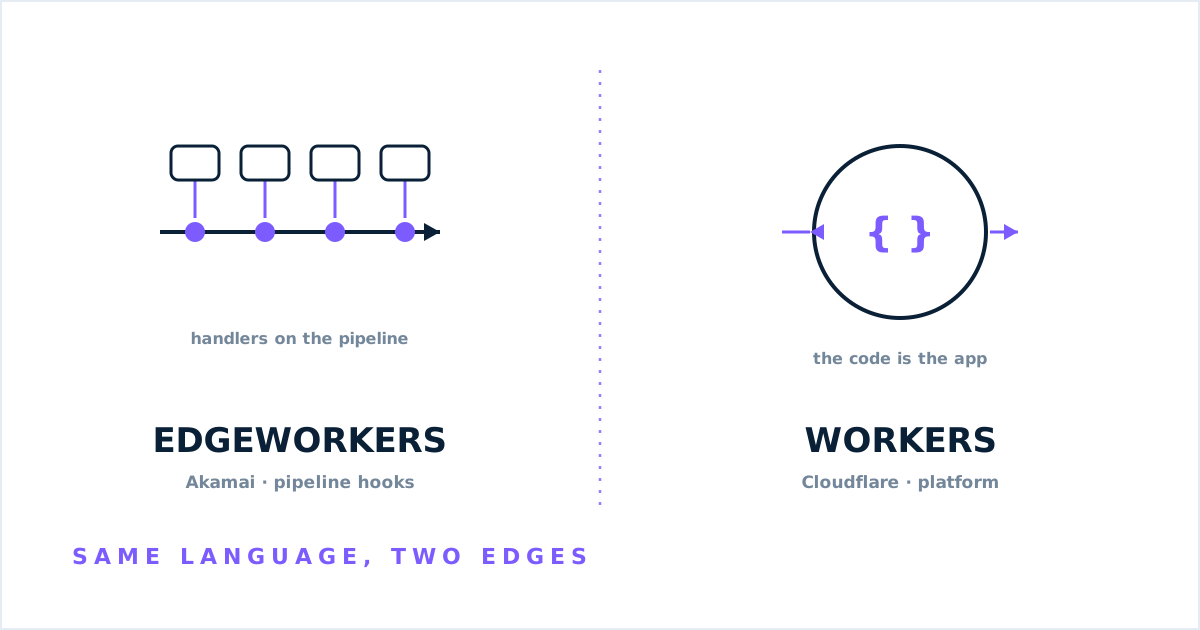
Akamai EdgeWorkers vs Cloudflare Workers.
Versus
Akamai EdgeWorkers vs Cloudflare Workers. Delivery-pipeline hooks against a general-purpose platform — the same language, two very different edges.
 Versus
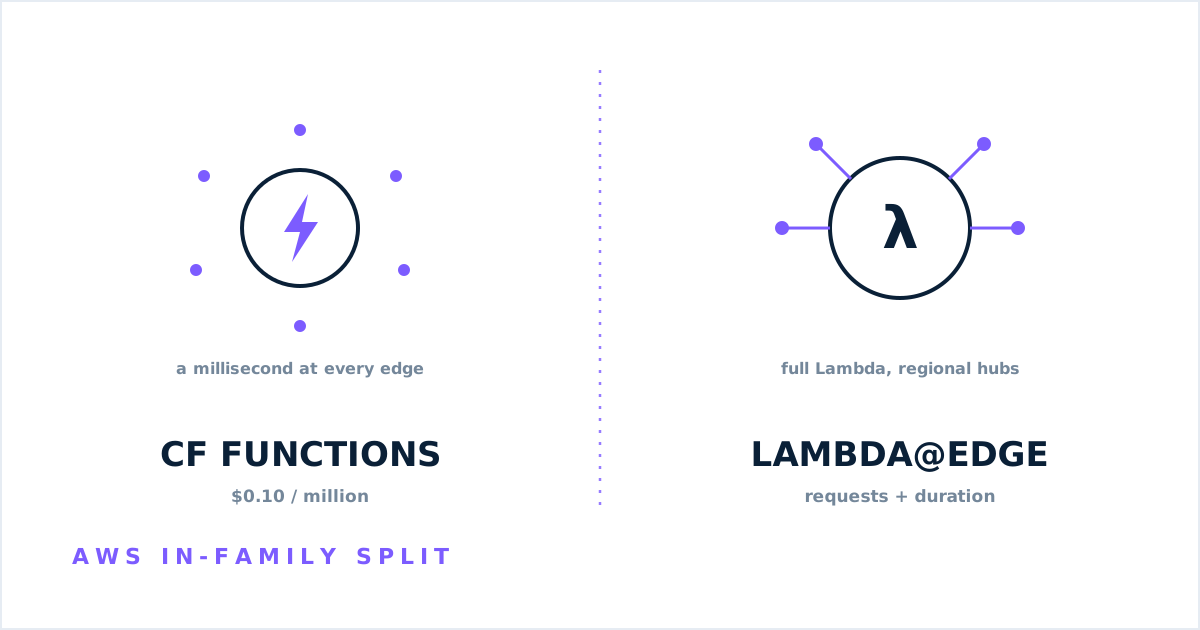
CloudFront Functions vs Lambda@Edge: the in-family split.
Versus
CloudFront Functions vs Lambda@Edge: the in-family split. Sub-millisecond sandbox or full Lambda at the edge — triggers, limits and the 6× cost gap, worked.
 Versus
Bunny vs KeyCDN: the pay-as-you-go favorites.
Versus
Bunny vs KeyCDN: the pay-as-you-go favorites. Rate cards, minimums and hidden line items — the two mid-market defaults, meter by meter.
 Versus
Bunny vs BlazingCDN rematch: a year of price war.
Versus
Bunny vs BlazingCDN rematch: a year of price war. The budget tier’s two aggressors, one year on — what moved on the rate cards and what the flat-rate model trades away.
 Versus
CDN77 vs KeyCDN: bundle against meter.
Versus
CDN77 vs KeyCDN: bundle against meter. A 250 TB flat bundle versus a per-GB meter — where each European mid-market network wins on your invoice.
 Versus
CacheFly vs Fastly: the throughput question.
Versus
CacheFly vs Fastly: the throughput question. The TCP-anycast pioneer against the real-time edge — sustained throughput, control planes and contracts compared.
 Versus
Gcore vs Bunny: Europe’s two edge platforms.
Versus
Gcore vs Bunny: Europe’s two edge platforms. Carrier-grade network and bundled security against the price-first product machine — the European mid-market decided.
 Versus
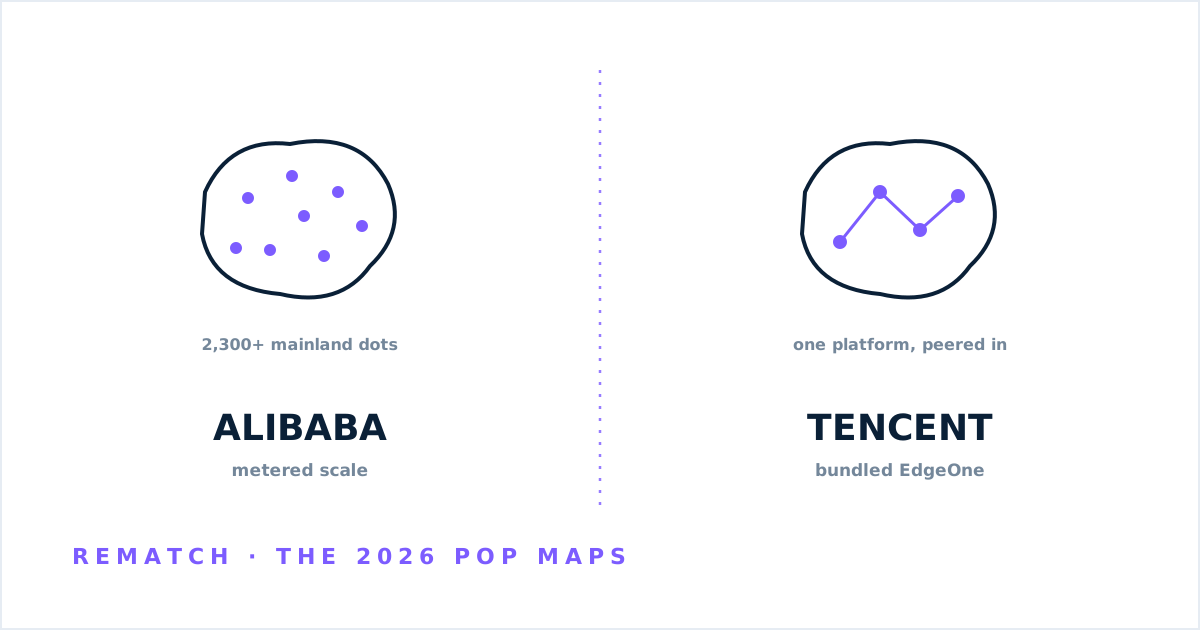
Alibaba vs Tencent rematch: 2026 POP maps.
Versus
Alibaba vs Tencent rematch: 2026 POP maps. Both giants now claim 3,200+ nodes — what the 2026 maps, billing models and mainland rules actually say.
 Versus
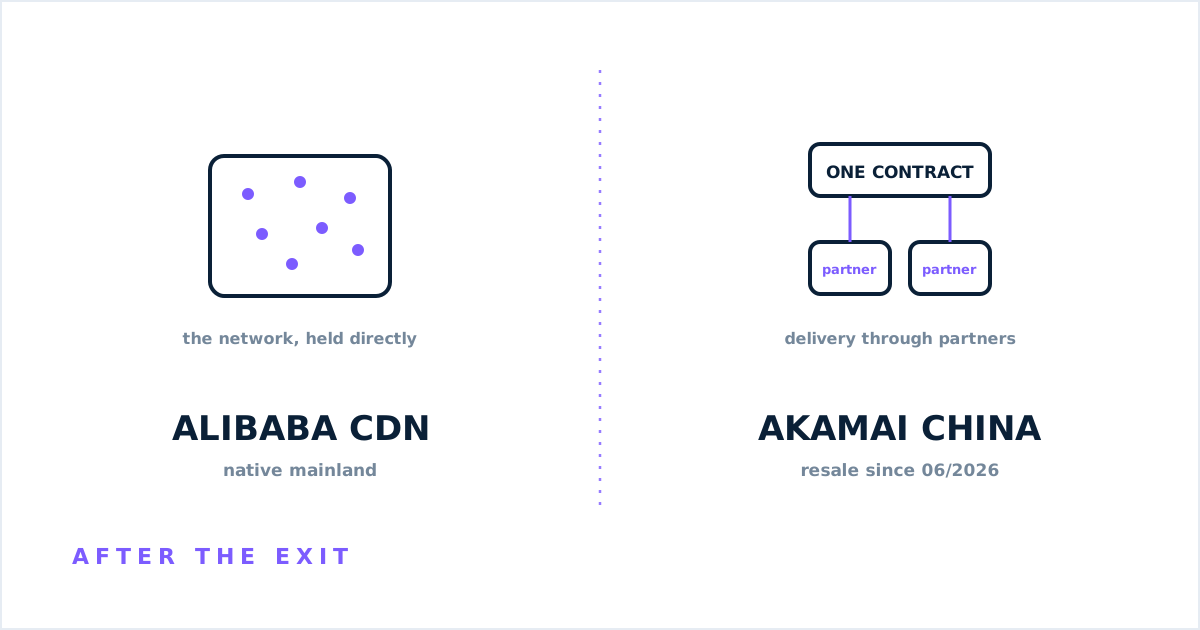
Alibaba Cloud CDN vs Akamai China, after the exit.
Versus
Alibaba Cloud CDN vs Akamai China, after the exit. Akamai’s direct mainland CDN ended June 2026 — what partner-based delivery means against Alibaba’s native network.
 Versus
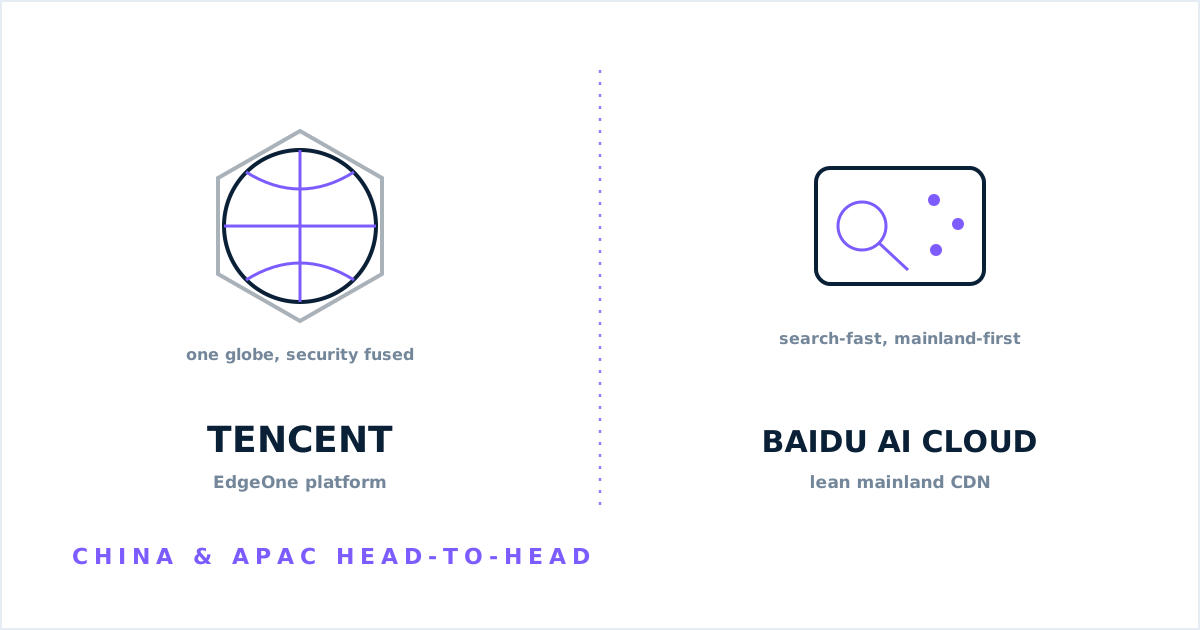
Tencent vs Baidu AI Cloud: two Chinese edges.
Versus
Tencent vs Baidu AI Cloud: two Chinese edges. EdgeOne’s fused security-delivery platform against Baidu’s lean mainland network — scale, meters and fit.
 Versus
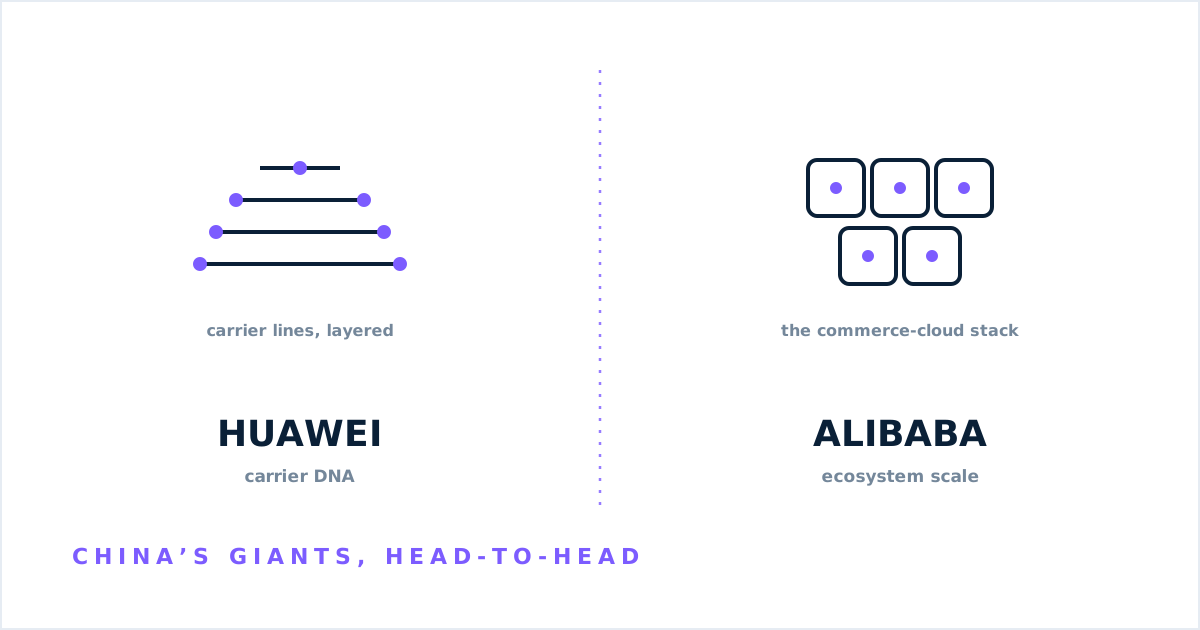
Huawei vs Alibaba: two Chinese giants, one delivery decision.
Versus
Huawei vs Alibaba: two Chinese giants, one delivery decision. 2,800 nodes against 3,200 — the node maps, package billing and ecosystem pull that actually decide this.
 Versus
Cloudflare WAF vs Akamai App & API Protector.
Versus
Cloudflare WAF vs Akamai App & API Protector. The two most-shortlisted WAFs, product against product — engines, tuning burden, limits, buying reality.
 Versus
Fastly Next-Gen WAF vs Cloudflare WAF.
Versus
Fastly Next-Gen WAF vs Cloudflare WAF. SmartParse-anywhere against network-scale edge rules — detection, deployment and blocking confidence compared.
 Versus
Imperva vs Akamai: specialist against edge giant.
Versus
Imperva vs Akamai: specialist against edge giant. Thales-era Imperva against Akamai’s portfolio — WAF, DDoS SLAs, bots and the data layer where they differ most.
 Versus
Imperva vs Cloudflare: two ways to buy security.
Versus
Imperva vs Cloudflare: two ways to buy security. Compliance-grade specialist depth against the flat-priced everything-network — SLAs, scope and spend compared.
 Versus
Radware vs Imperva: two security veterans.
Versus
Radware vs Imperva: two security veterans. DDoS-heritage appliances-to-cloud against WAF-and-data depth — where each veteran earns the contract.
 Versus
Myra vs Link11: the EU sovereignty duel.
Versus
Myra vs Link11: the EU sovereignty duel. Germany’s two BSI-qualified providers — compliance-maximal against performance-led in the sovereignty market.
 Versus
Sucuri vs Cloudflare free tier: paid vs $0.
Versus
Sucuri vs Cloudflare free tier: paid vs $0. What ~$200/year of managed website security buys that the famous free plan doesn’t — and the reverse.
 Versus
DataDome vs Cloudflare Bot Management.
Versus
DataDome vs Cloudflare Bot Management. Specialist bot defense against the network’s built-in — detection depth, deployment freedom, enterprise gates.
 Versus
HUMAN vs DataDome: the pure-play duel.
Versus
HUMAN vs DataDome: the pure-play duel. Breadth from ad fraud to account abuse against a focused real-time engine — the category’s two Leaders.
 Versus
Akamai Bot Manager vs DataDome.
Versus
Akamai Bot Manager vs DataDome. Edge-platform gravity against specialist freedom — tuned power versus turnkey speed in bot defense.
 Analysis
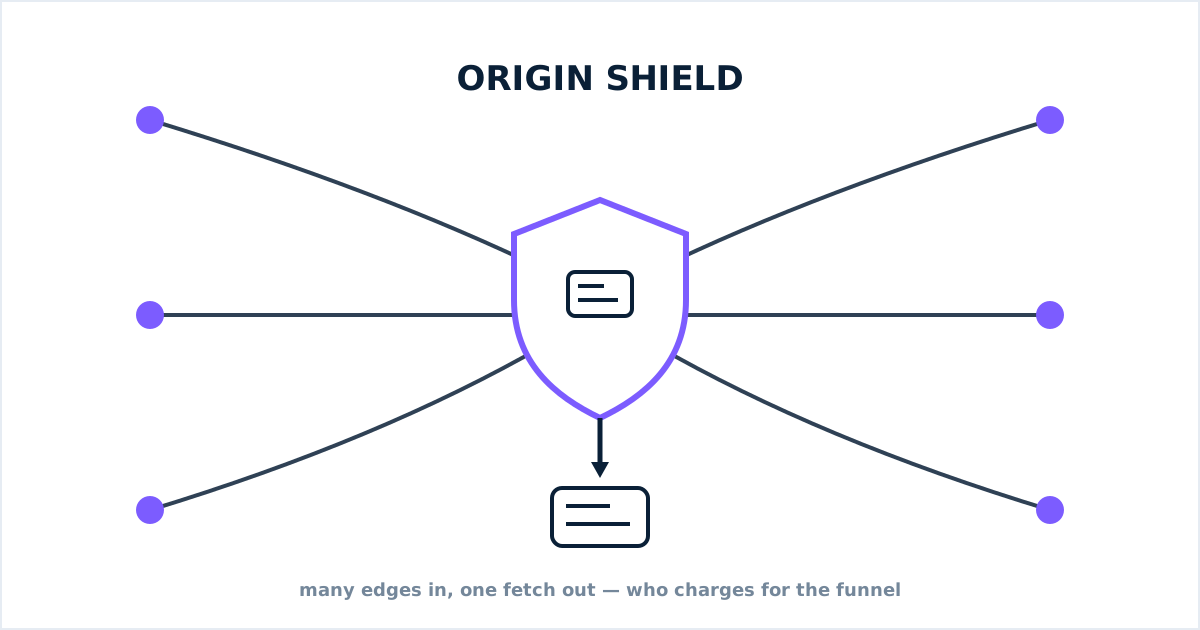
Origin shield: who has it, who charges.
Analysis
Origin shield: who has it, who charges. Shield layers across the majors — free, billable, or bring-your-own — with the workings shown.
 Analysis
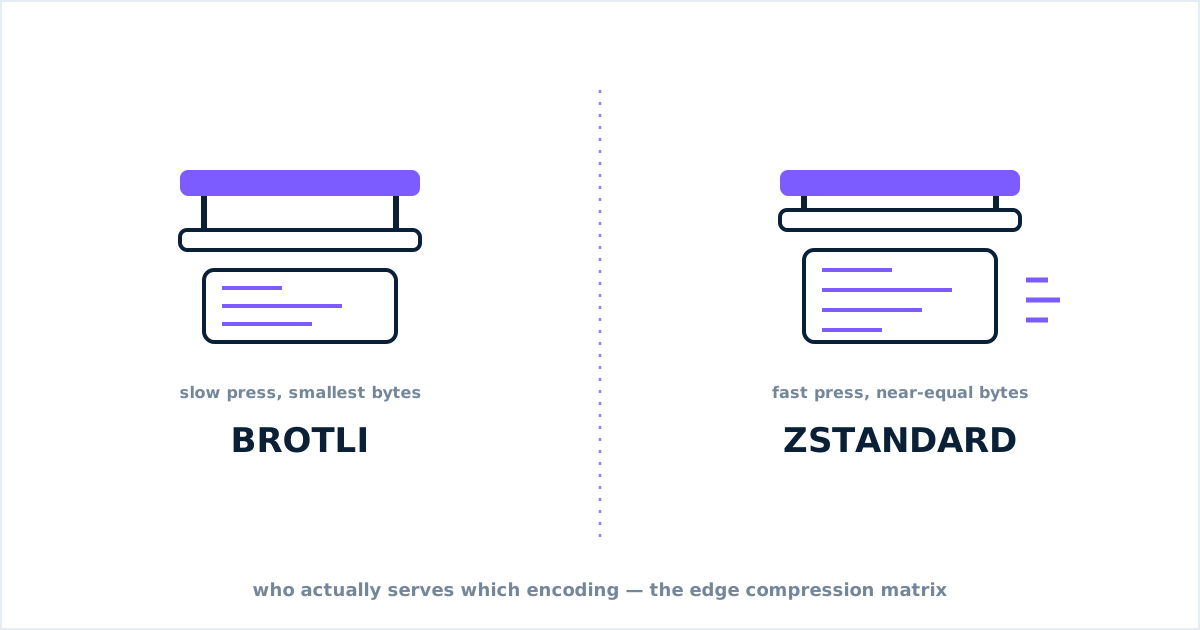
Brotli & Zstandard: the compression matrix.
Analysis
Brotli & Zstandard: the compression matrix. Edge encoding across the majors — who serves zstd, who tops out at Brotli, who still re-gzips.
 Analysis
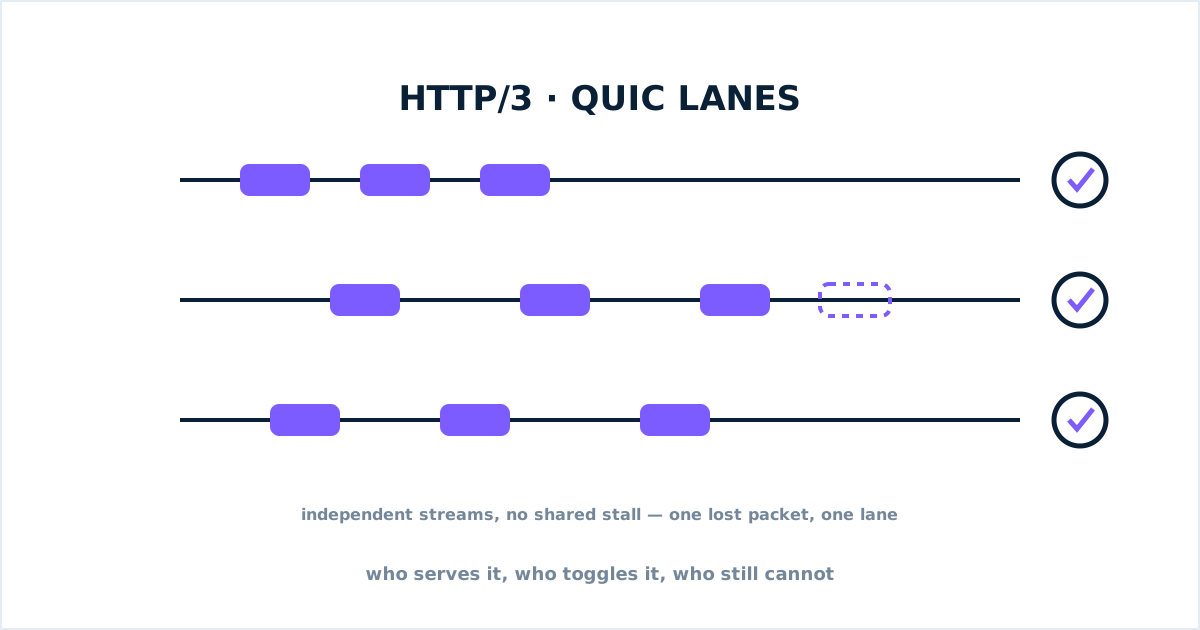
HTTP/3 compared: who serves QUIC.
Analysis
HTTP/3 compared: who serves QUIC. Defaults, toggles and the one major holdout — the state of QUIC at the edge in 2026.
 Analysis
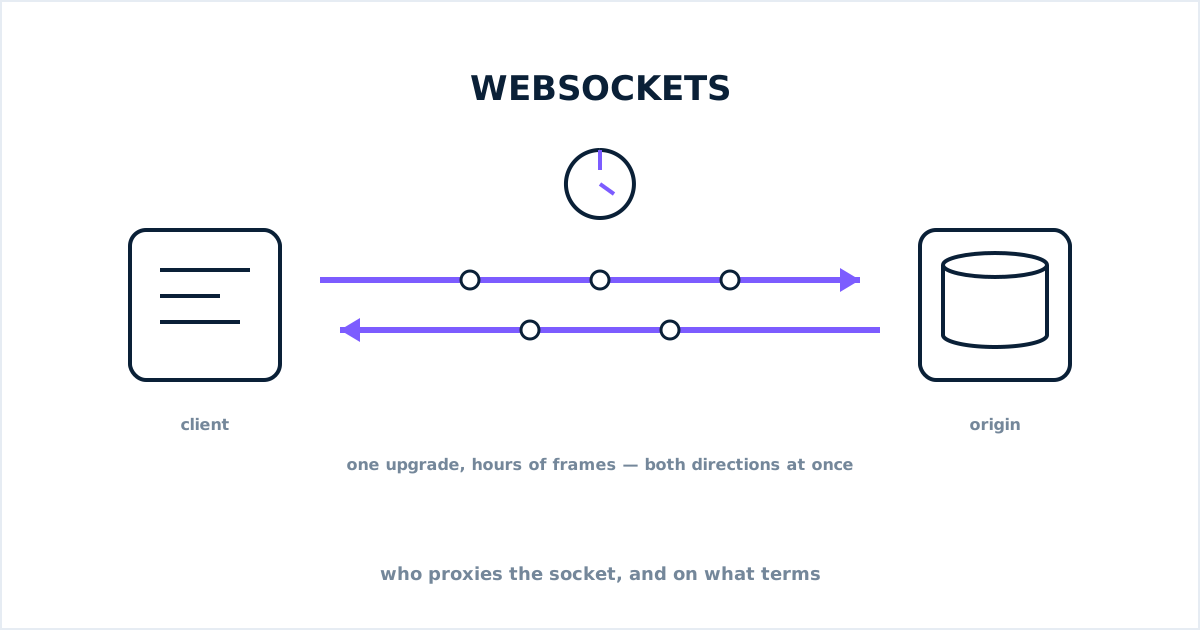
WebSockets at the edge: who proxies it.
Analysis
WebSockets at the edge: who proxies it. Connection limits, idle timeouts and WAF caveats — the long-lived socket, provider by provider.
 Analysis
Image add-ons: four ways to sell pixels.
Analysis
Image add-ons: four ways to sell pixels. Flat fee, per transform, per request or per contract — the optimizer pricing models, measured.
 Analysis
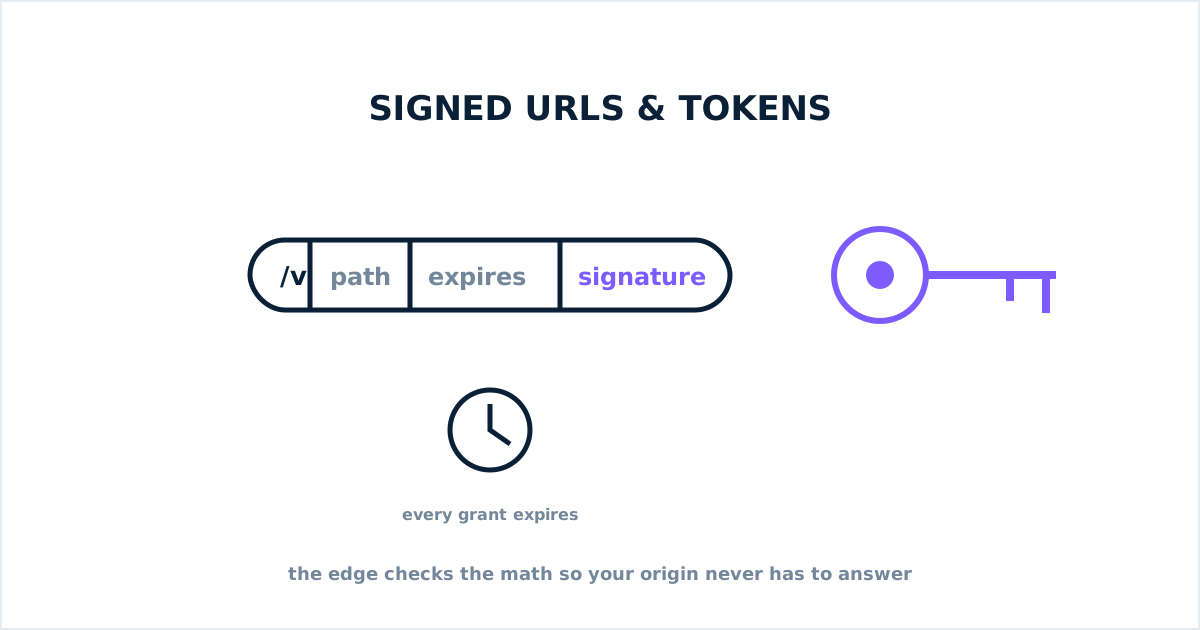
Signed URLs & tokens, compared.
Analysis
Signed URLs & tokens, compared. Cookie or URL, HMAC or key pair, built-in or build-it — edge content locking across the field.
 Analysis
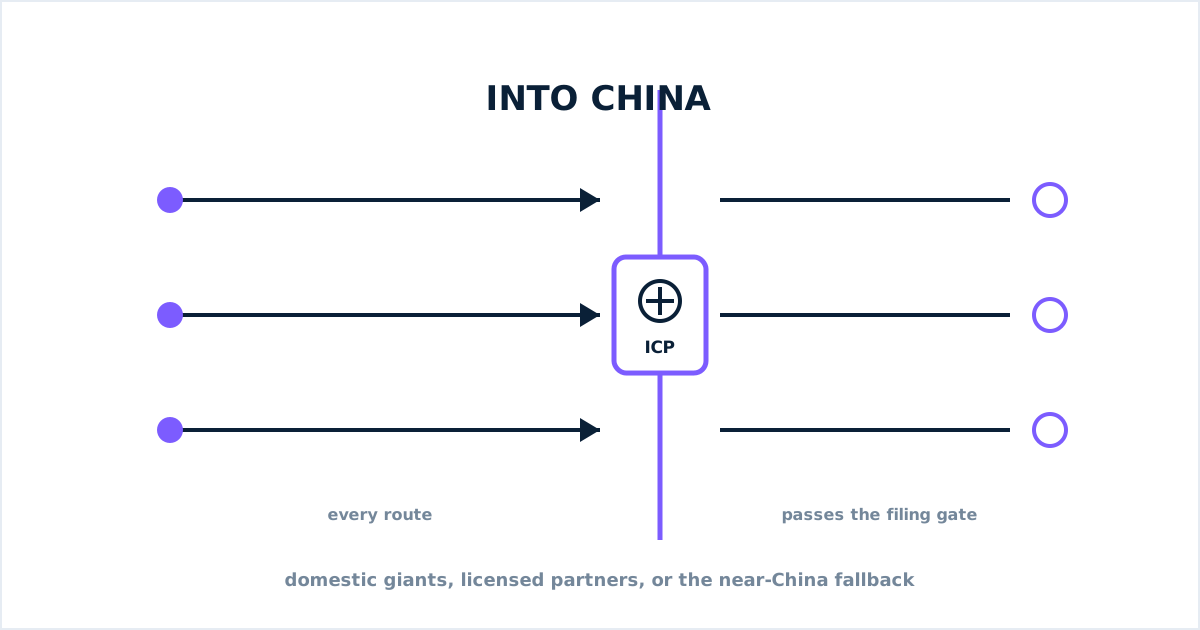
Delivering into China: the 2026 field.
Analysis
Delivering into China: the 2026 field. Domestic giants, licensed partnerships and the near-China fallback — after Akamai's exit.
 Analysis
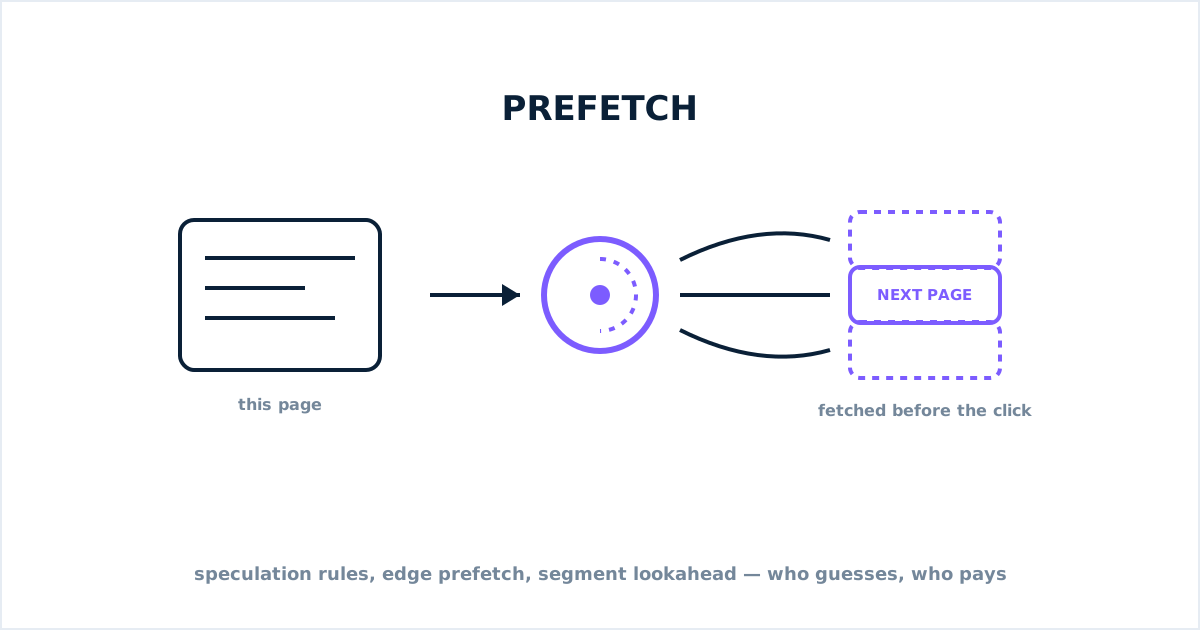
Prefetch compared: who speculates.
Analysis
Prefetch compared: who speculates. Speculation Rules at the edge, classic object prefetch and segment lookahead — layer by layer.
 Analysis
Multi-CDN friendliness, scored.
Analysis
Multi-CDN friendliness, scored. Purge parity, log latency, TLS portability and contract shape — who's a good citizen in a mixed estate.
 Analysis
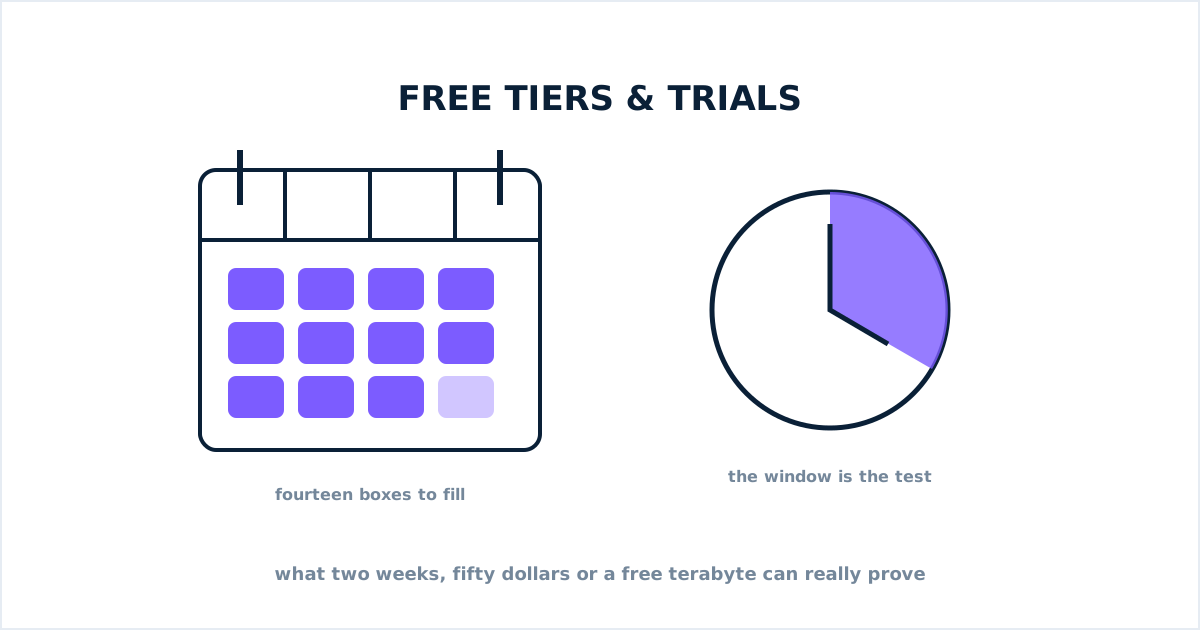
Free tiers & trials, compared.
Analysis
Free tiers & trials, compared. Fourteen days, $50 or a terabyte — what each on-ramp really lets you evaluate.
 Analysis
Support tiers: the price of a human.
Analysis
Support tiers: the price of a human. Severity ladders, response SLAs and named engineers — support models across the field.
 Analysis
Rules engines: logic before code.
Analysis
Rules engines: logic before code. Rulesets, Property Manager, VCL and policy checkboxes — where each declarative layer runs out.
 Analysis
The five video CDNs that matter.
Analysis
The five video CDNs that matter. Live scale, purge speed and segment economics — the delivery field, narrowed and scored.
 Analysis
Under a cent per GB: the honest field.
Analysis
Under a cent per GB: the honest field. Who's genuinely below $0.01, what the price buys, and what it quietly doesn't.
 Analysis
Image CDNs: the four-way test.
Analysis
Image CDNs: the four-way test. Cloudinary, imgix, ImageKit and the CDN-native optimizers — meter, catalogue, workflow, exit.
 Analysis
Edge platforms: the field, mapped.
Analysis
Edge platforms: the field, mapped. Isolates, WASM, two-tier JS and Deno at the value tier — runtime, price shape and gravity compared.
 Analysis
Managed DNS for multi-CDN, compared.
Analysis
Managed DNS for multi-CDN, compared. Filter chains, routing policies and RUM feeds — the DNS layer that decides which CDN answers.
 Analysis
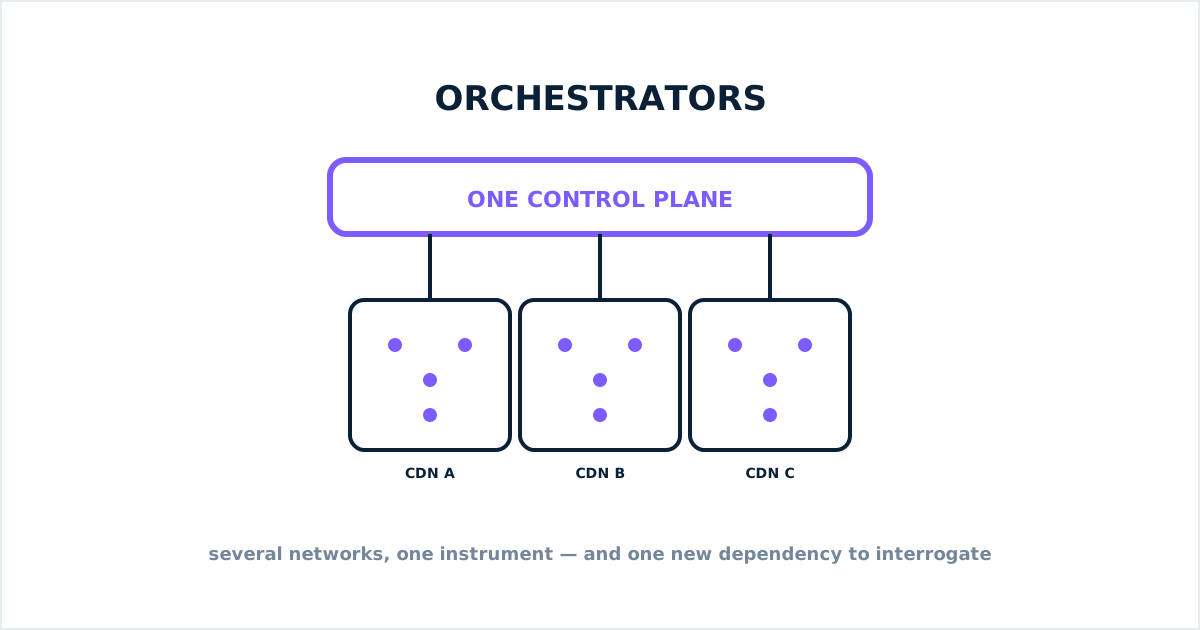
Multi-CDN orchestrators, mapped.
Analysis
Multi-CDN orchestrators, mapped. Steering-only to full virtual edge — the platforms that run several CDNs as one, and their trades.
 Analysis
Cloud CDNs vs independents.
Analysis
Cloud CDNs vs independents. Ecosystem gravity against delivery-first focus — how the business model shapes your bill and leverage.
 Analysis
CDN vs the bucket, compared.
Analysis
CDN vs the bucket, compared. Zero-egress storage rewrote the math — when serving direct works, and where it quietly fails.
 Analysis
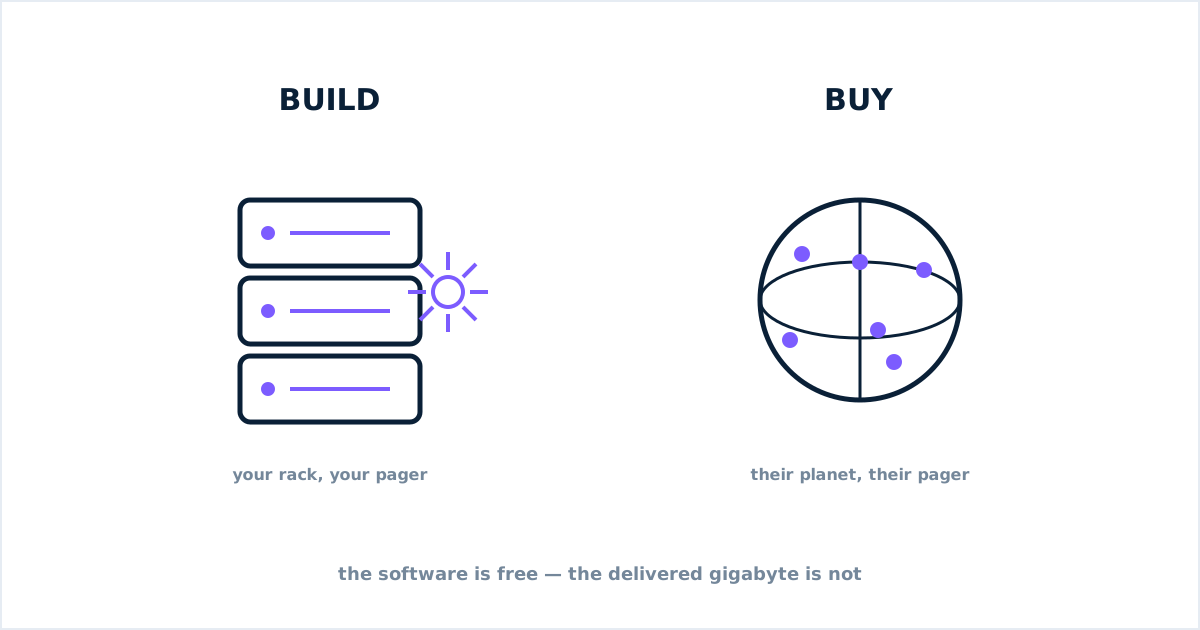
CDN vs DIY caching, honestly.
Analysis
CDN vs DIY caching, honestly. What a Varnish or nginx tier really replaces — and the headcount line every build plan omits.
 Analysis
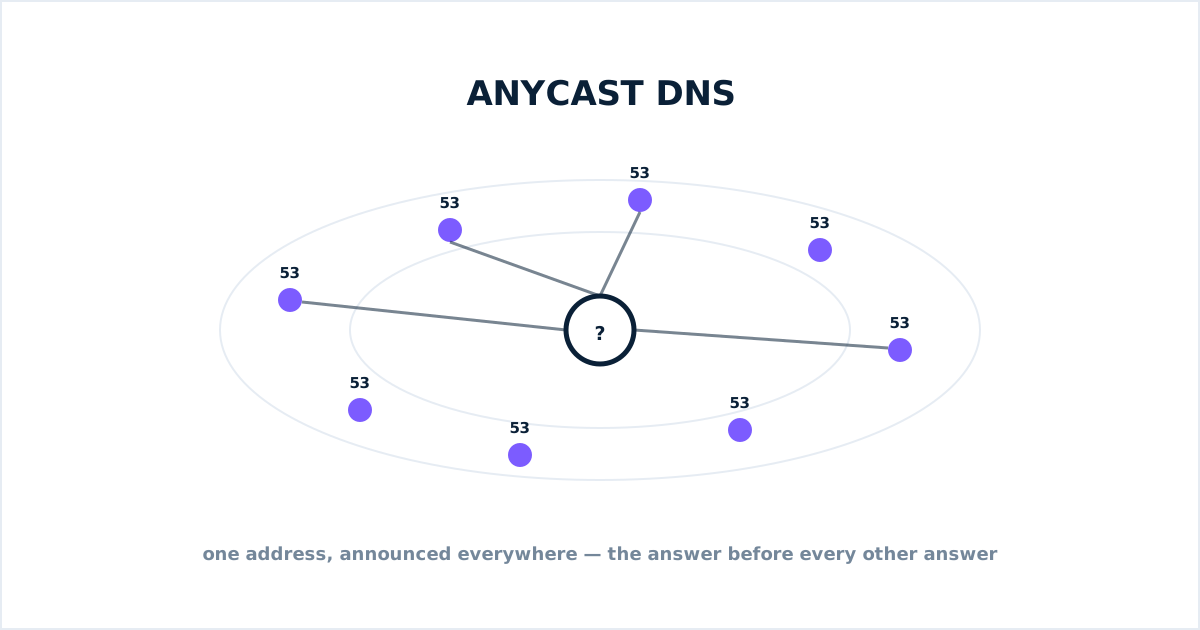
Anycast DNS providers, compared.
Analysis
Anycast DNS providers, compared. Network shape, DDoS posture, steering ceilings — the resolution layer everything else depends on.
 Analysis
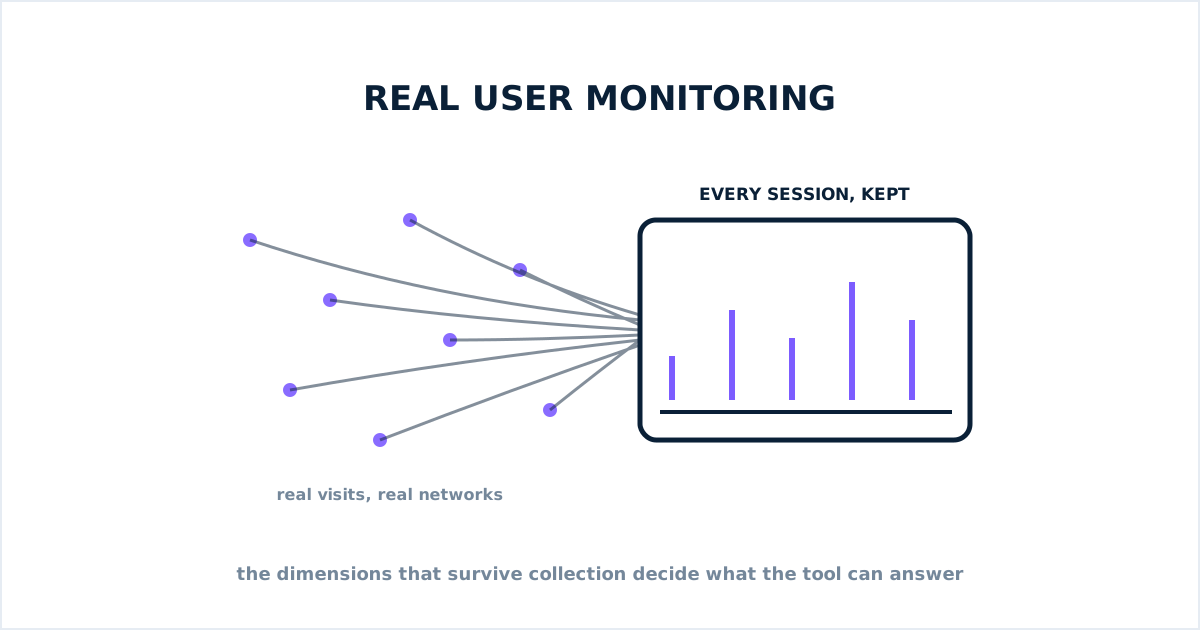
RUM products, compared.
Analysis
RUM products, compared. CrUX to mPulse — data depth, retention and price shape, scored for delivery decisions.
 Analysis
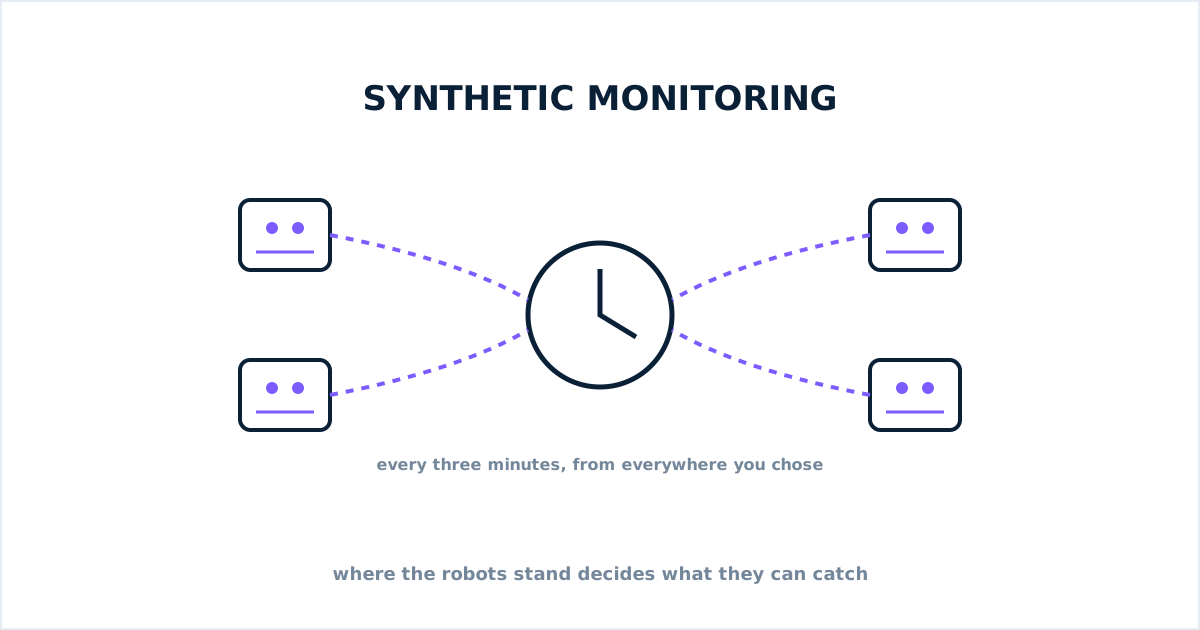
Synthetic monitoring, compared.
Analysis
Synthetic monitoring, compared. Vantage quality, test depth and alert honesty — the robot fleets, from agent armies to uptime pingers.
 Analysis
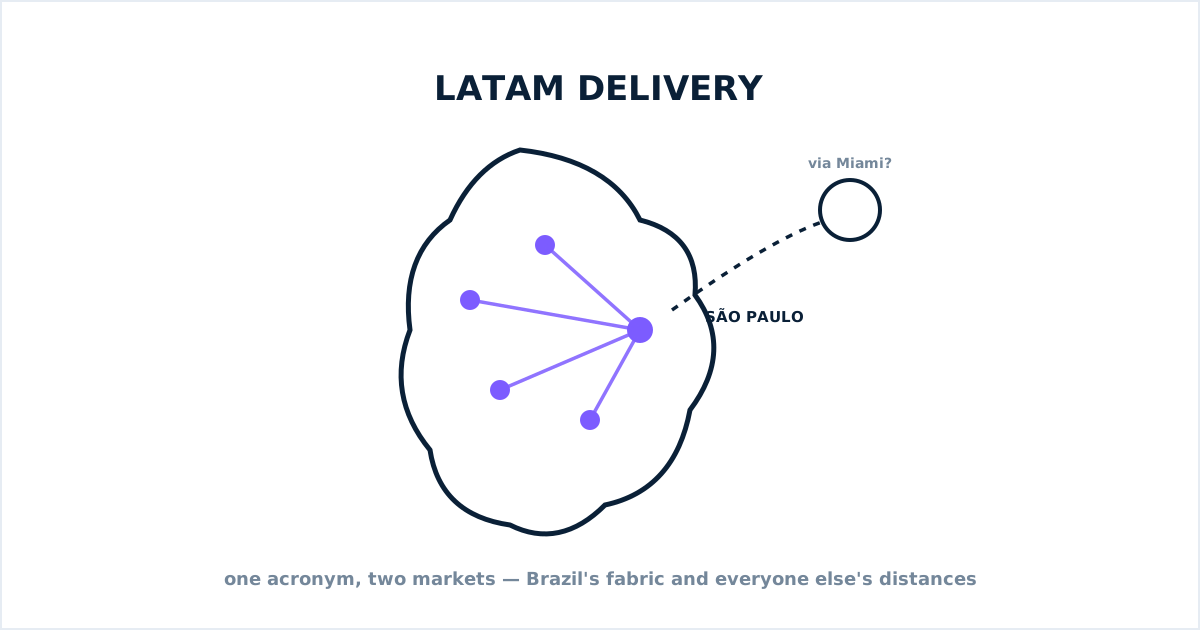
The LATAM CDN field.
Analysis
The LATAM CDN field. Azion's home turf, the carrier tier and the majors — and why Brazil is a different market from the rest.
 Analysis
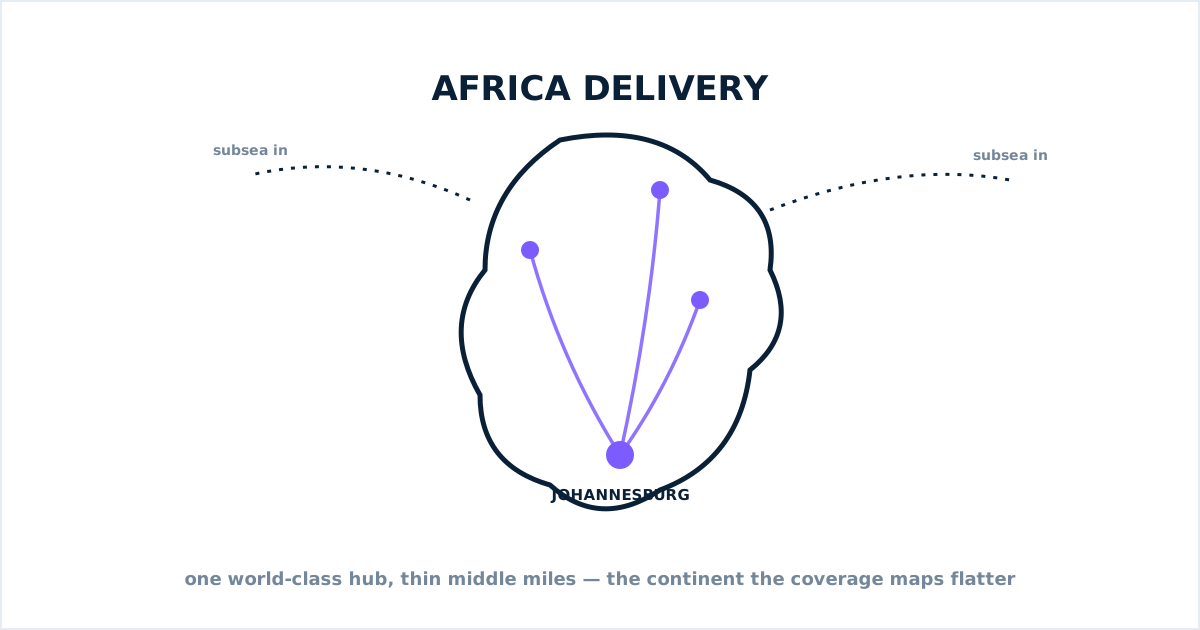
The Africa CDN field.
Analysis
The Africa CDN field. Johannesburg's gravity, thin inland peering and subsea abundance — delivery where the maps flatter.
 Analysis
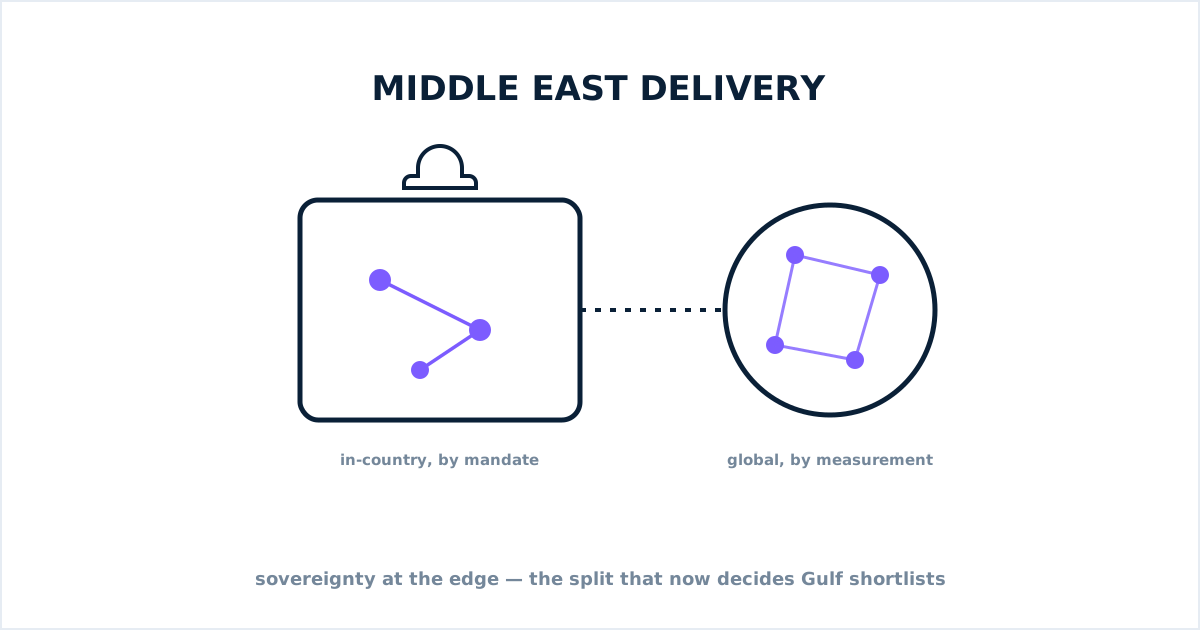
The Middle East CDN field.
Analysis
The Middle East CDN field. Nineteen networks in-region, sovereign carriers rising, and compliance as the real shortlist filter.
 Analysis
The India CDN field.
Analysis
The India CDN field. Metro POPs, a Tier-1 home network, partner models and localization rules — the biggest open market.
 Analysis
The Southeast Asia field.
Analysis
The Southeast Asia field. Singapore gravity, archipelago physics and the APAC specialists — six markets pretending to be one.
 Analysis
The CDN market map, 2026.
Analysis
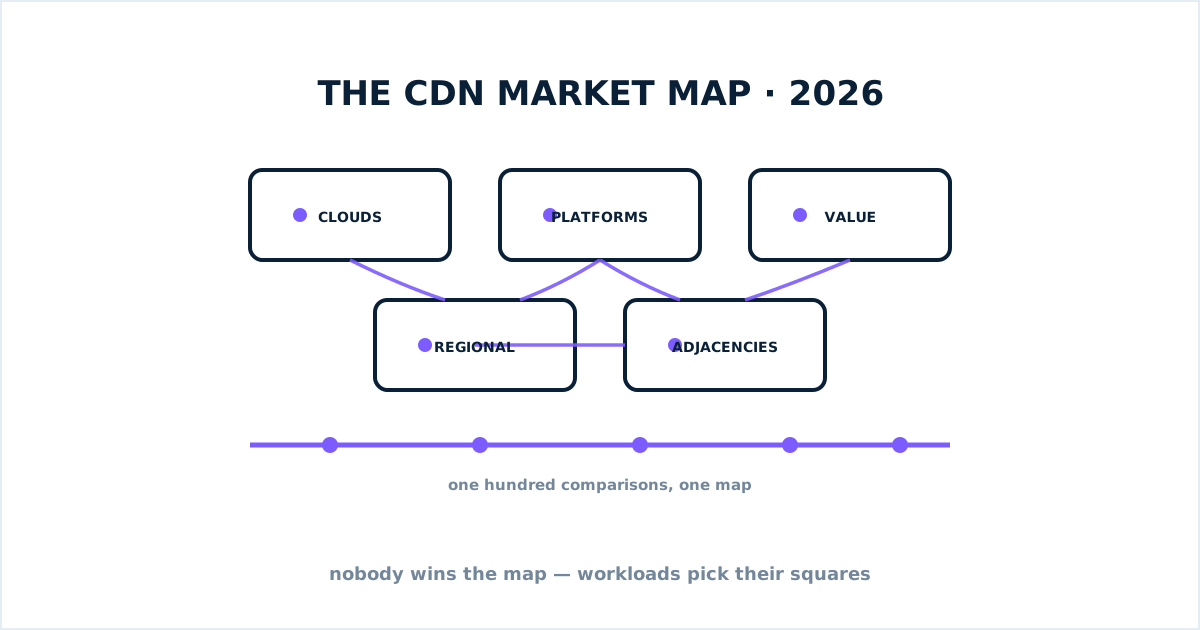
The CDN market map, 2026. One hundred comparisons distilled — every tier, adjacency and regional layer of the delivery market, mapped.