
Analysis for buyers,
not for vendors.
What we learn benchmarking 25+ networks all year, written down, comparisons, market notes and the occasional strong opinion.
Trusted by 100+ enterprises worldwide
From the advisory desk.
Provider head-to-heads have moved to their own section: CDN comparisons →
 Engineering A/B testing at the edge without killing your cache.
 Experimentation and caching are natural enemies. The assignment-at-edge patterns that make peace.
 Methodology Running a fair CDN bake-off.
 How to benchmark providers on your own traffic without fooling yourself.
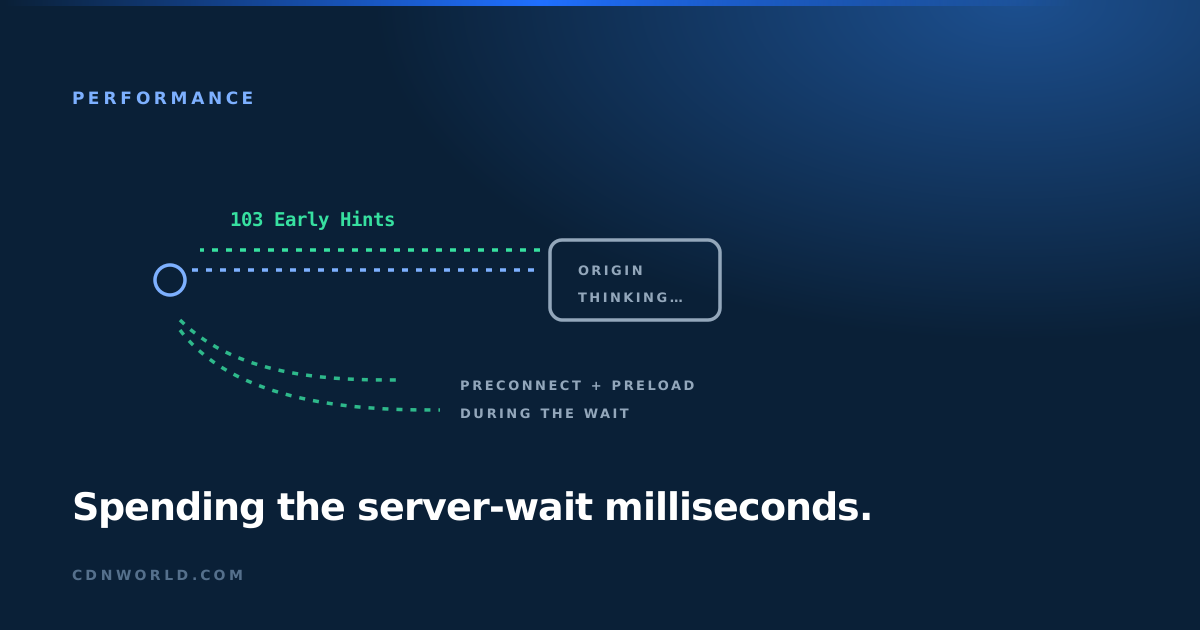 Engineering Preload, prefetch and 103 Early Hints: spending idle milliseconds.
 The resource-hint toolbox: what each hint promises, what it costs, and the misuse that makes pages slower.
 Engineering Implementing RUM properly: a field guide.
 Beacons, attribution, sampling and the traps between the timing APIs and the truth.
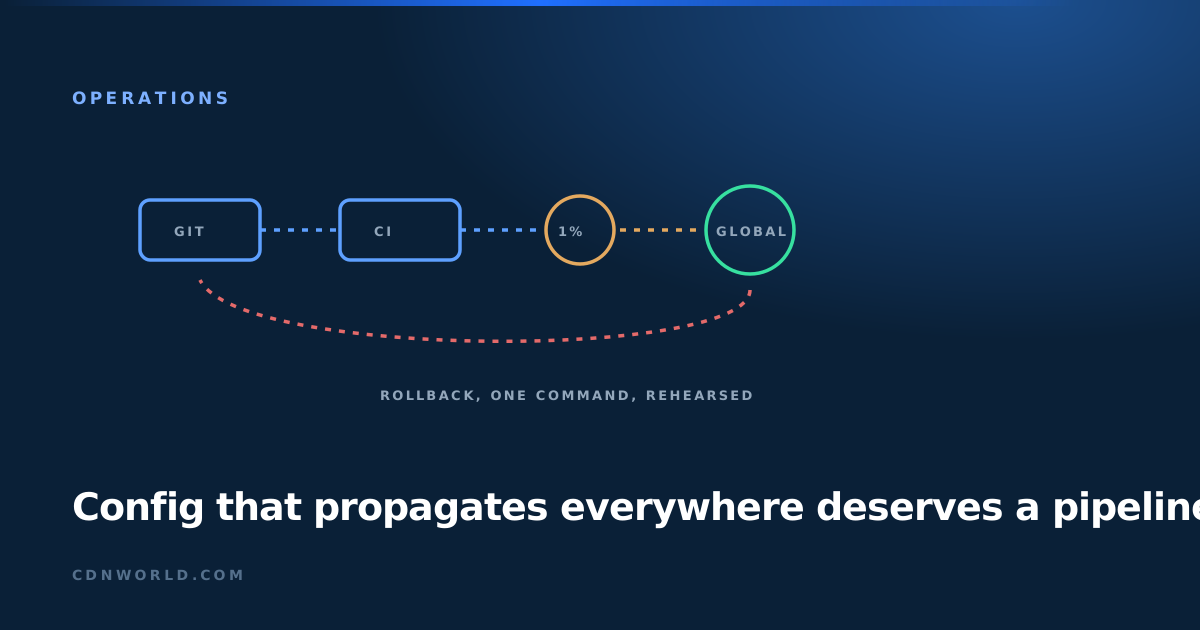 Engineering Deploying edge configuration like software.
 Version control, canaries and rollback for the config layer that can take down everything at once.
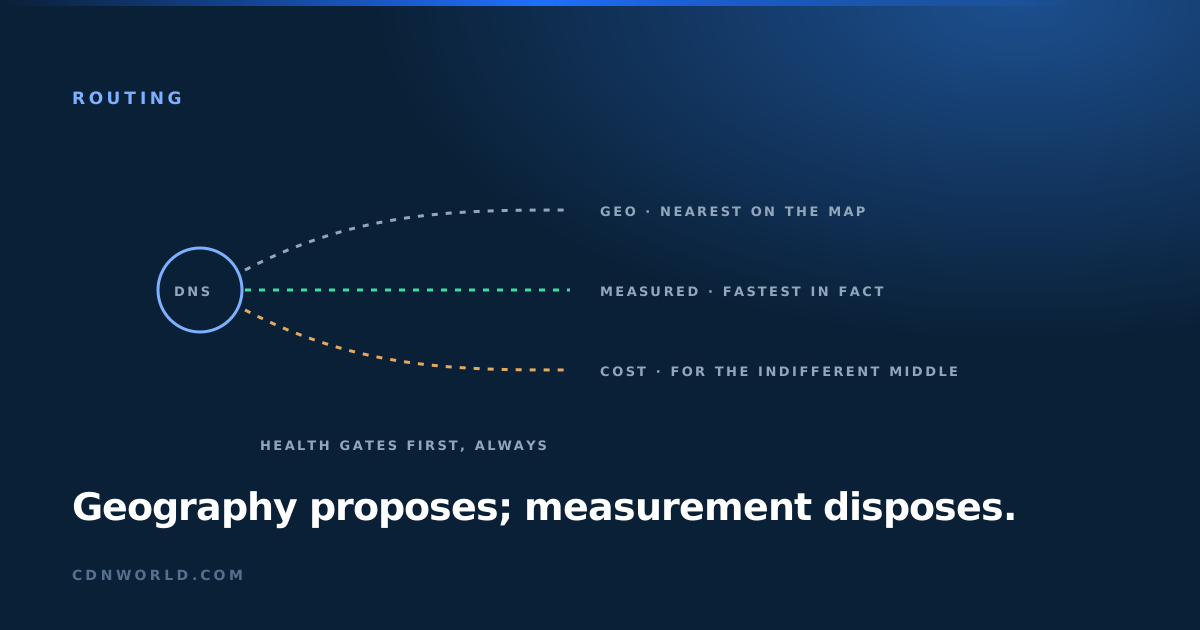 Engineering Geo versus latency versus load: how steering decisions get made.
 The decision inputs inside DNS steering platforms, and why geographic proximity keeps losing to measurement.
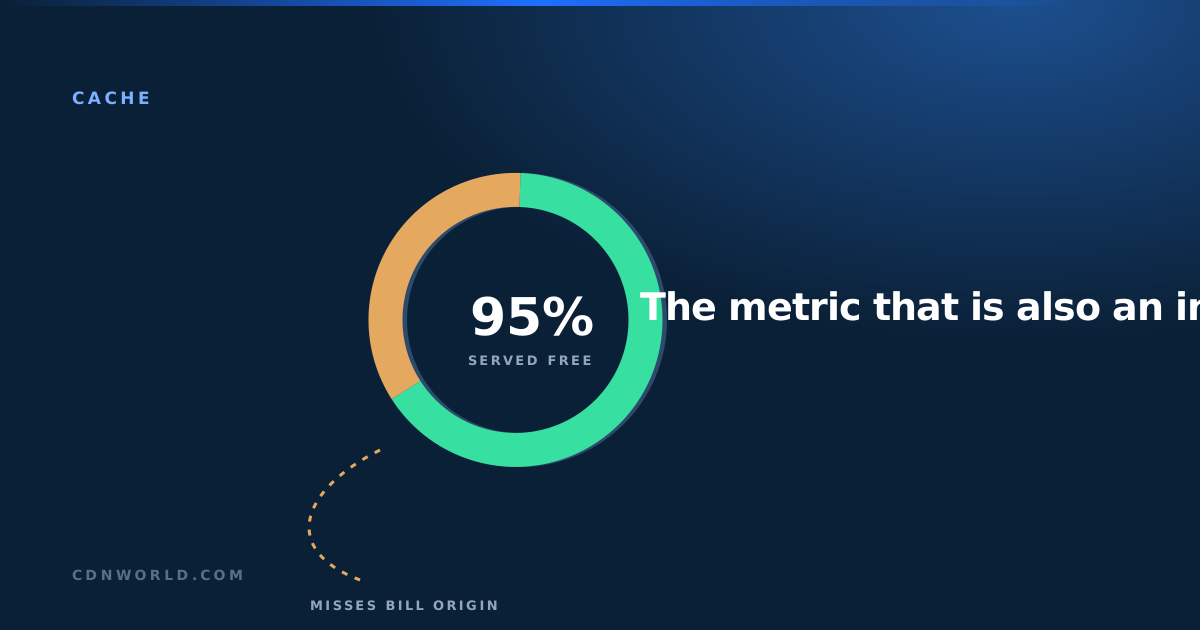 Performance Cache hit ratio: the metric that predicts your bill.
 One number that is simultaneously a performance and a finance report.
 Segment review Bunny, CDN77 and KeyCDN: when value networks are right.
 The segment below the enterprise tier, reviewed without snobbery.
 Engineering Cache warming: prefilling the edge before the traffic arrives.
 Product launches, sales events and failovers all start with cold caches. Warming strategies that work, and the ones that backfire.
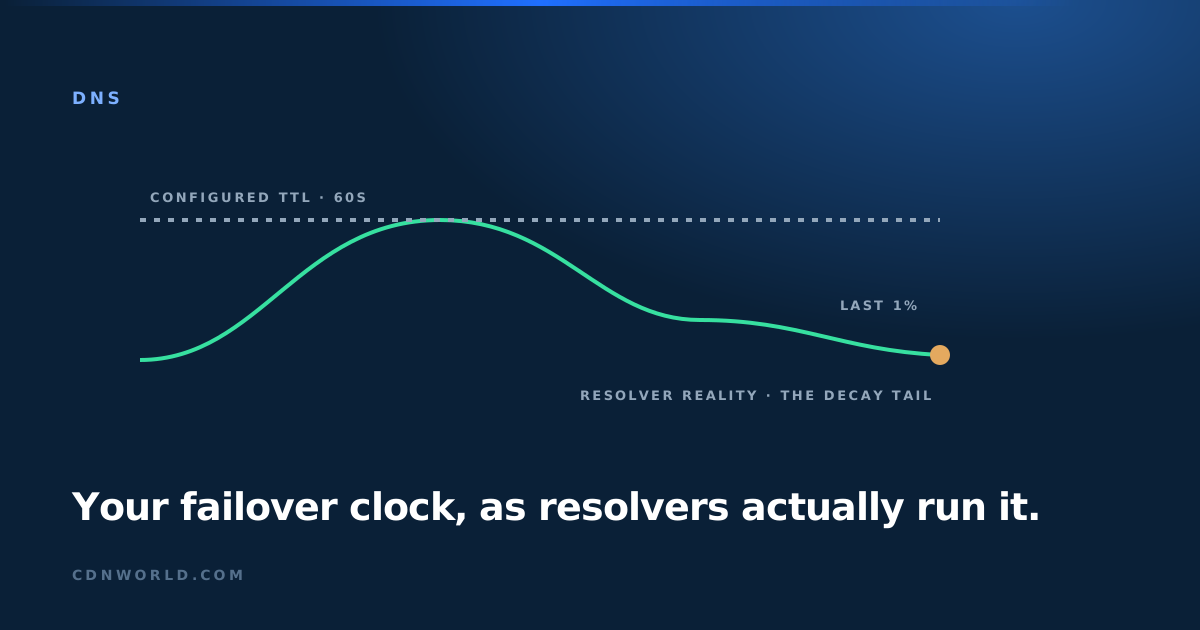 Engineering DNS TTL strategy: the timer that gates your failover.
 Resolver reality versus configured TTLs, CNAME chain costs, and choosing timers per record class.
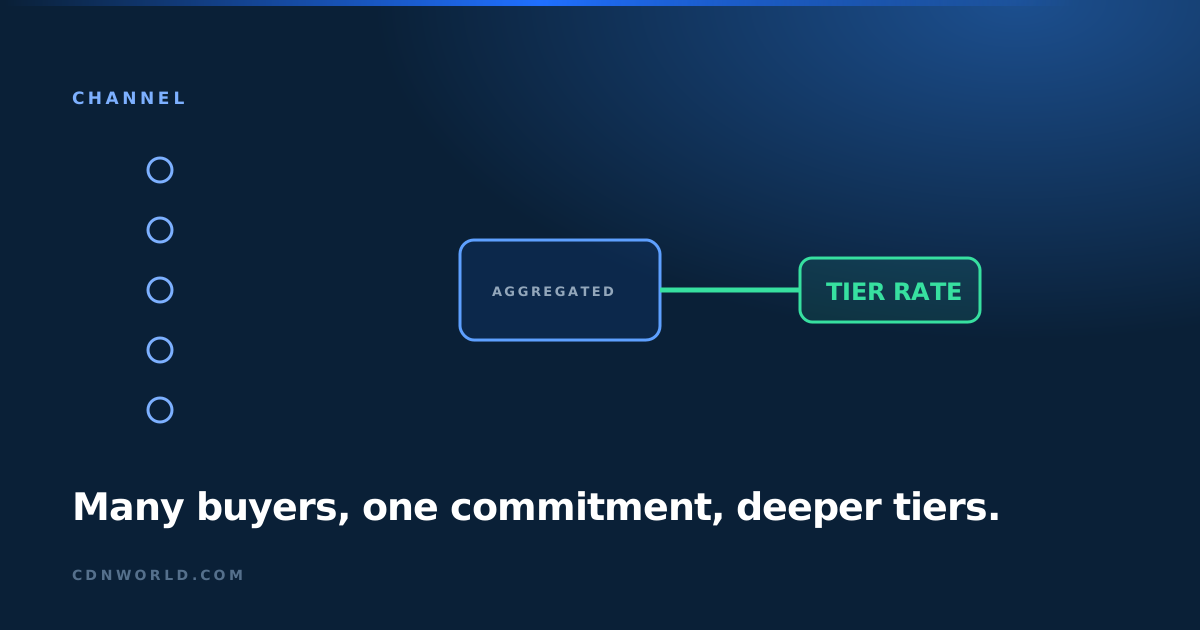 Channel How resellers get better rates than you do.
 Channel economics, explained without the mystique.
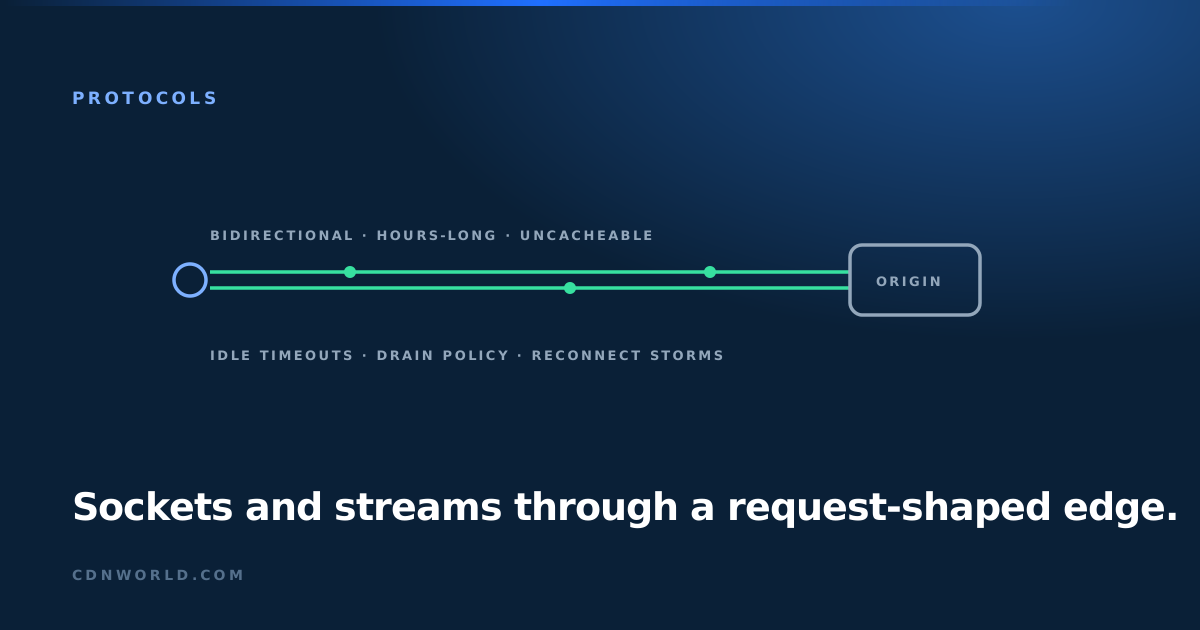 Engineering WebSockets and gRPC through a CDN.
 Long-lived and binary protocols meet infrastructure built for request-response: what works, what breaks, what to demand.
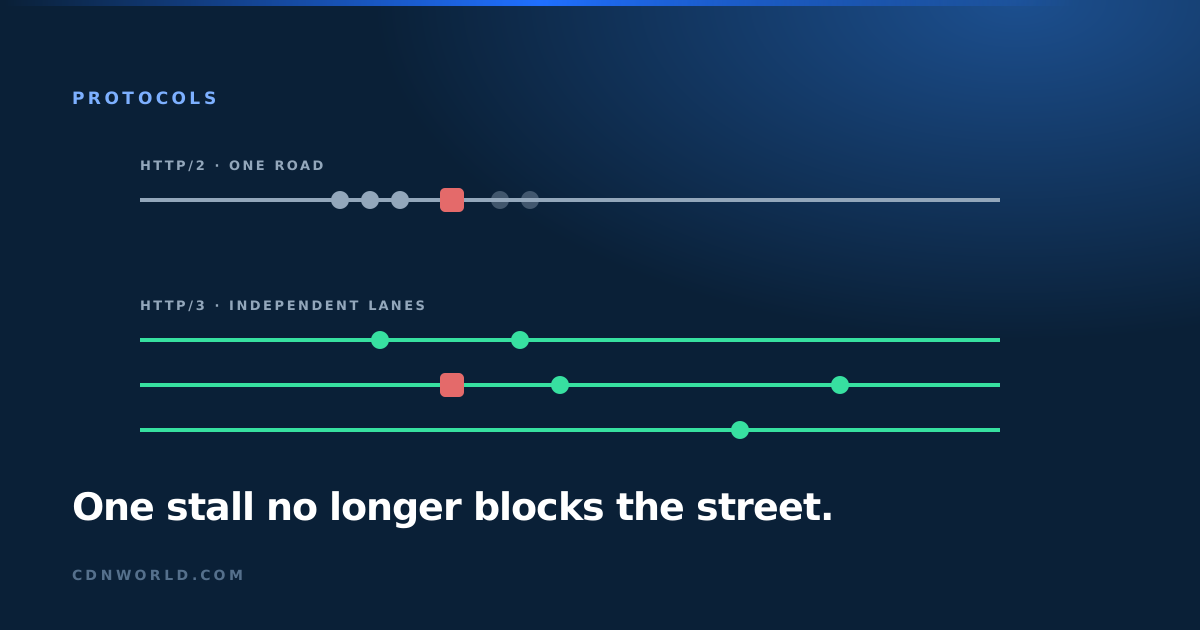 Protocols HTTP/3 and QUIC in practice.
 Measured gains, honest caveats, and who benefits most.
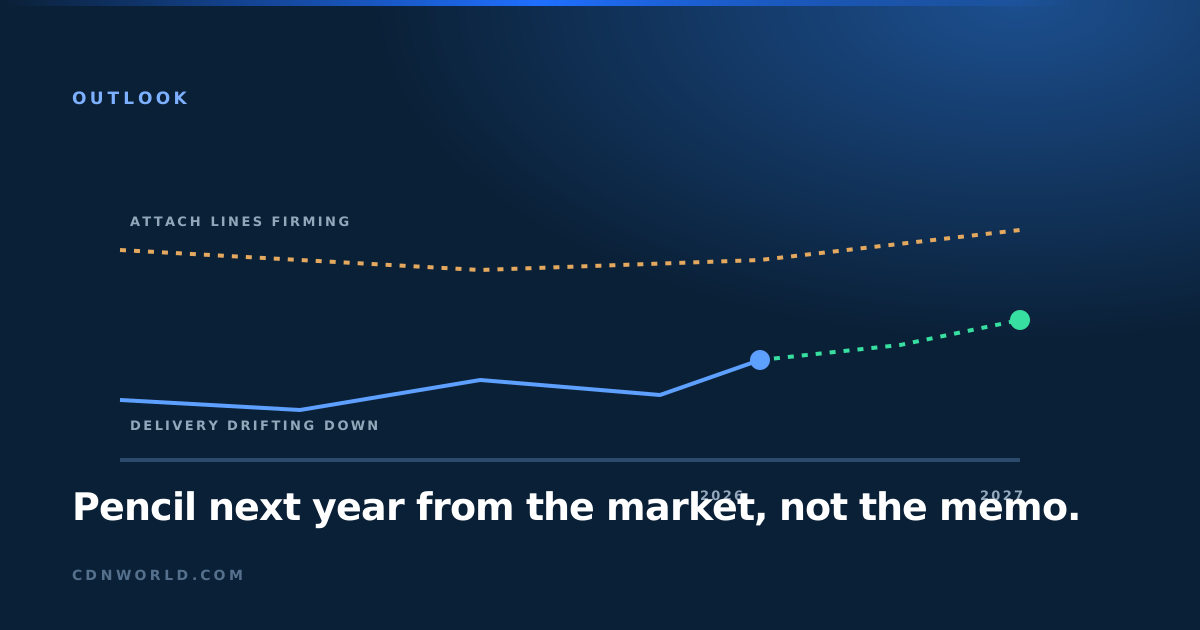 Trends What CDN buyers should budget for in 2027.
 The December read on next year’s line items.
 Invoices How to read a CDN invoice like an advisor.
 Effective rates, commitment gaps, request fees and the one date that decides your leverage.
 DNS NS1, Route 53 and Cloudflare DNS compared.
 Managed DNS is the control plane of multi-CDN. Choose it like one.
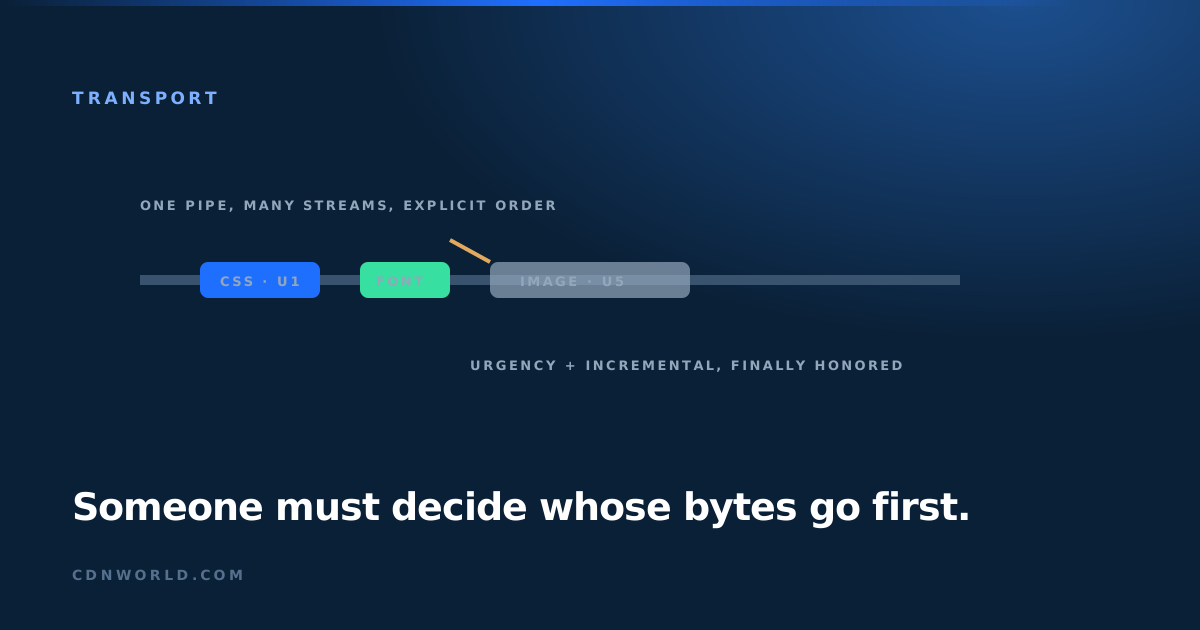 Engineering Multiplexing and prioritization: getting streams in the right order.
 One connection, many streams, finite bandwidth: how priorities work now and where they still break.
 Comparison Akamai, Fastly and Cloudflare: the enterprise three.
 Three philosophies of the edge, compared on workloads rather than slogans.
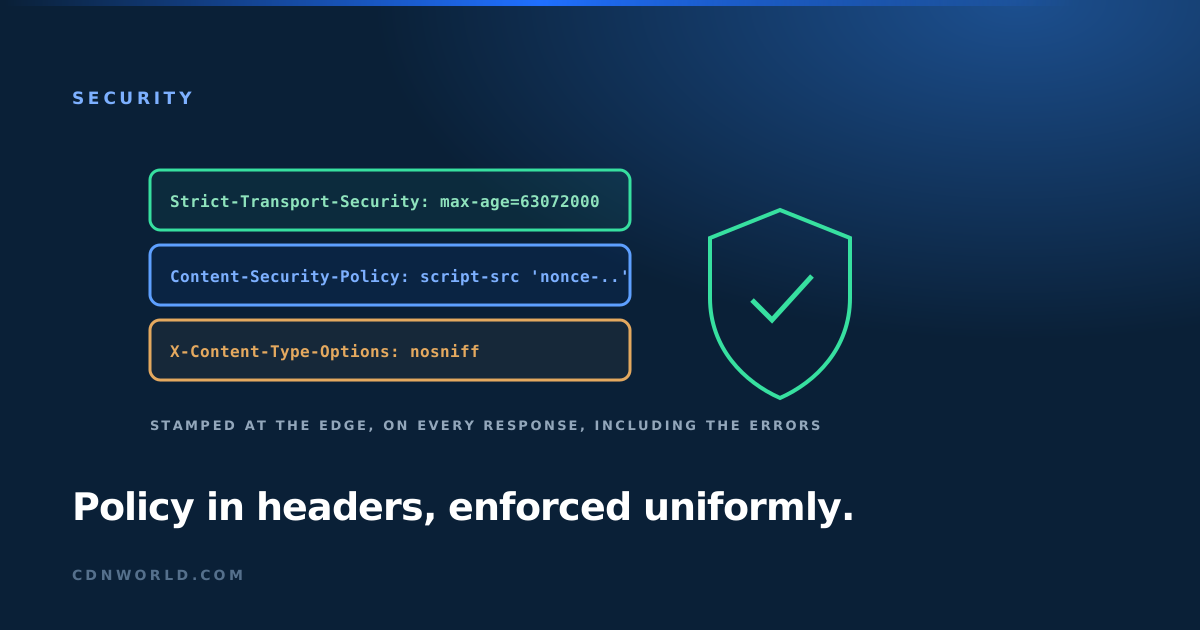 Security Security headers, enforced at the edge.
 HSTS, CSP, frame controls: the response headers that are policy, and why the edge is where they belong.
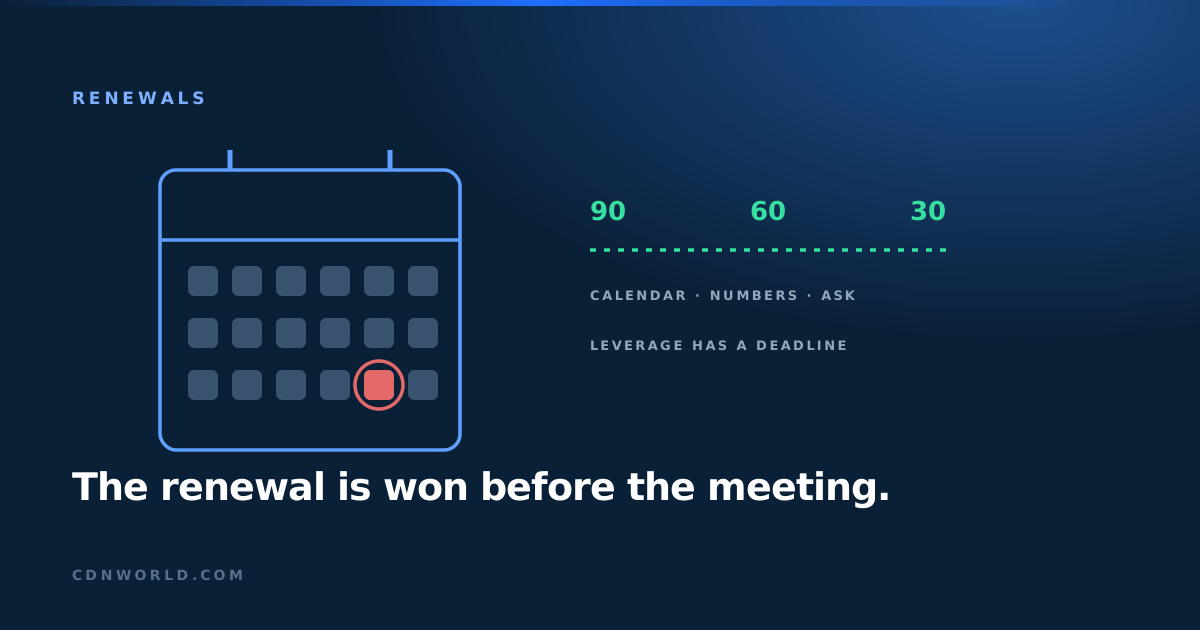 Negotiation The CDN renewal playbook.
 How prepared buyers routinely take 30% off at renewal without switching providers.
 Switching Switching CDN providers without downtime.
 A 30-day migration plan that removes the fear from moving.
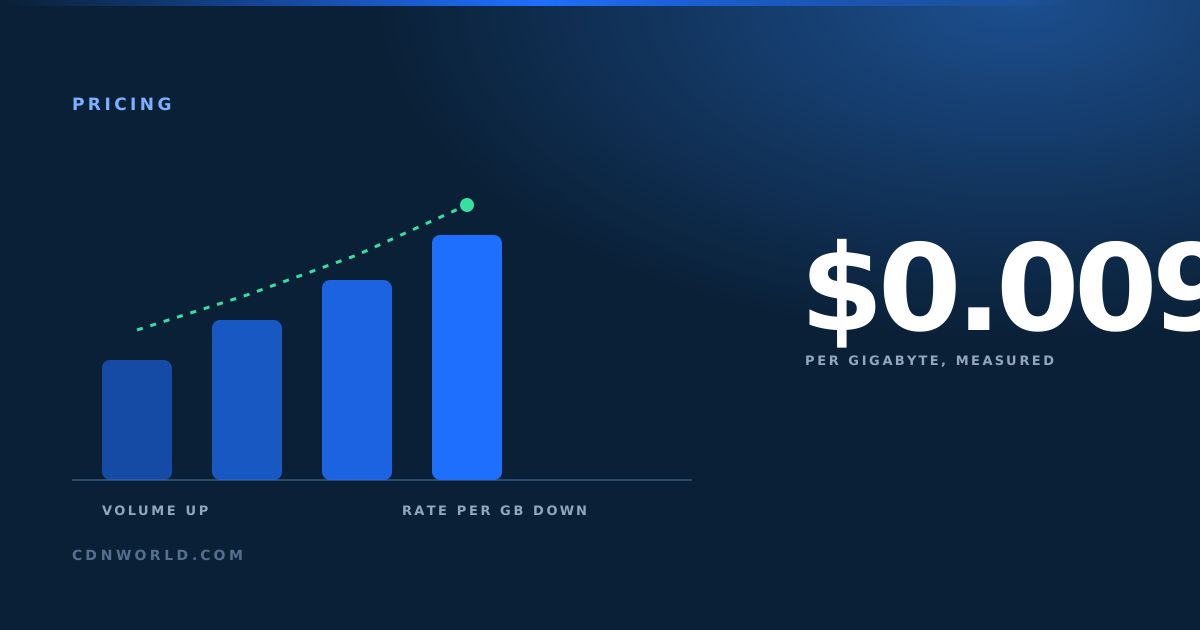 Pricing What a CDN should cost in 2026.
 Real per-GB economics by volume and workload, and why nobody should pay the list rate.
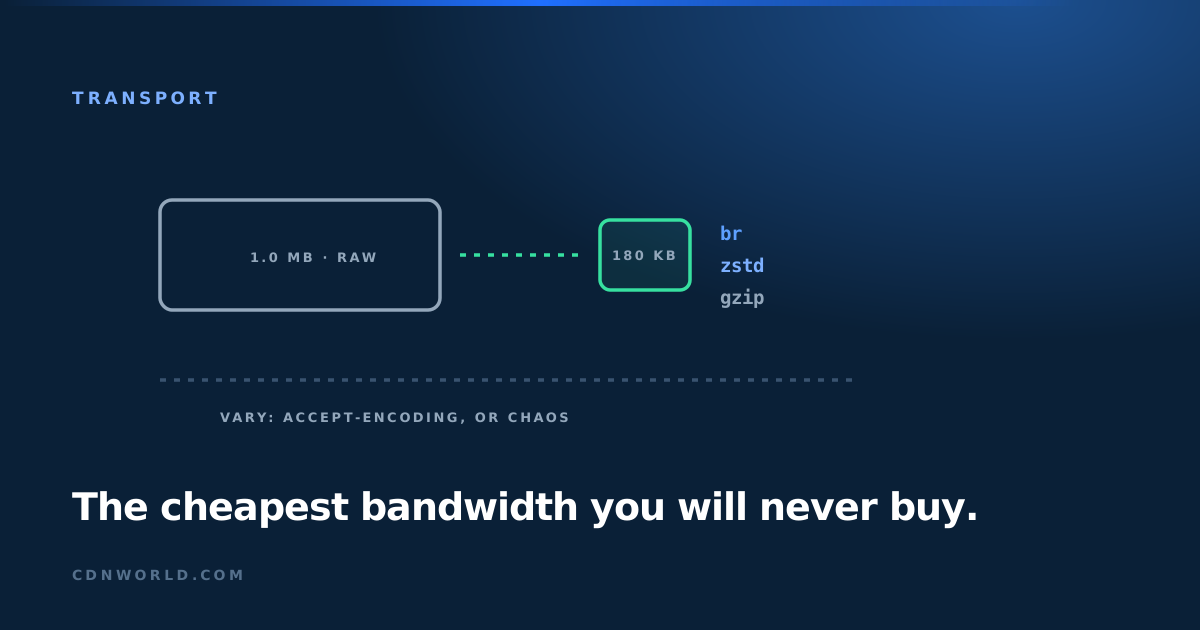 Engineering Brotli, Zstandard and compression at the edge.
 Ratios, CPU budgets, dictionary tricks and the config that quietly ships uncompressed bytes.
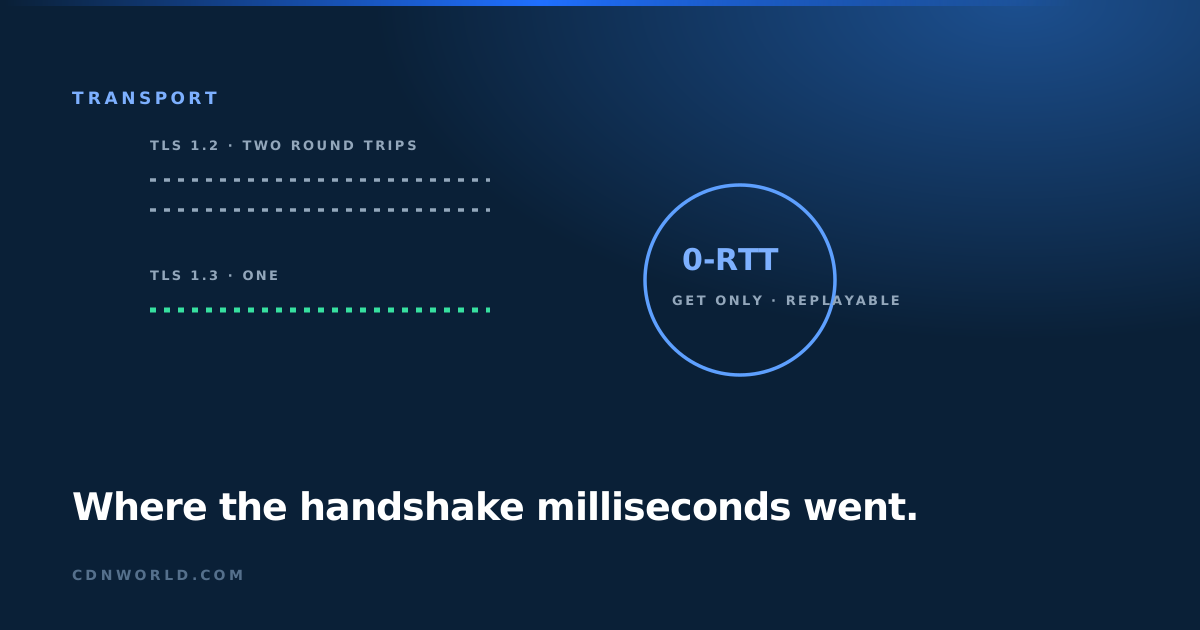 Engineering TLS 1.3 at the edge: handshakes, resumption, 0-RTT.
 Where the milliseconds went, how session resumption works now, and the replay caveat on 0-RTT.
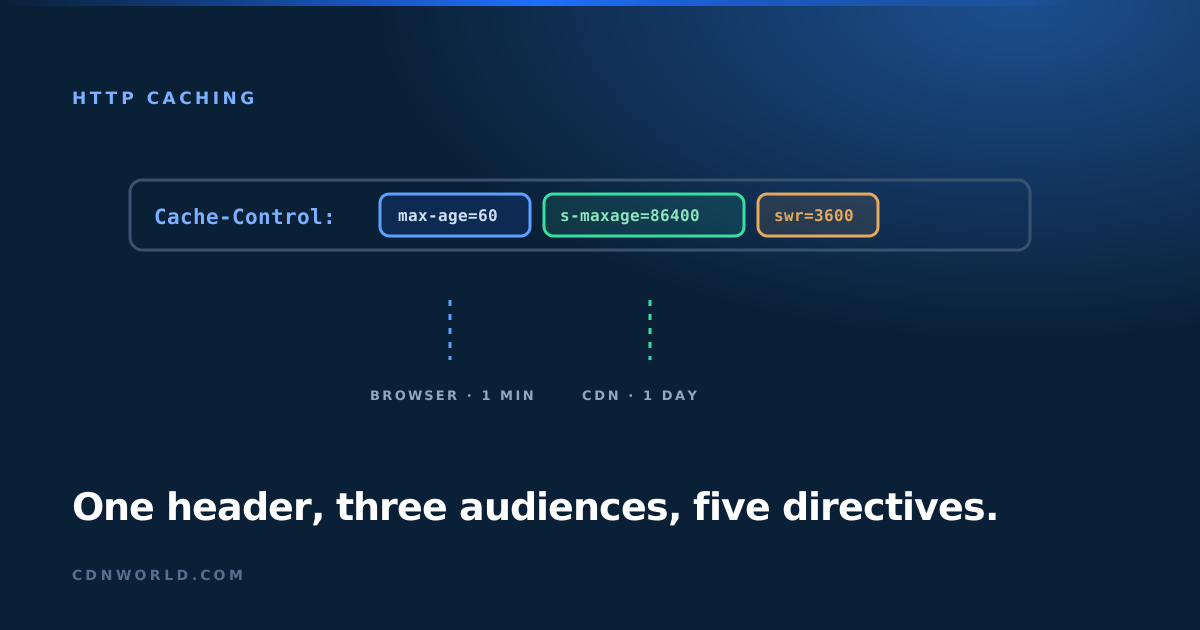 Engineering Cache-Control: the directives that actually matter.
 max-age, s-maxage, stale-while-revalidate and friends: what each directive really instructs, and the combinations that misfire.
 Buyer’s guide How to choose a CDN in 2026.
 Seven questions that decide it, none of which is who has the most POPs.
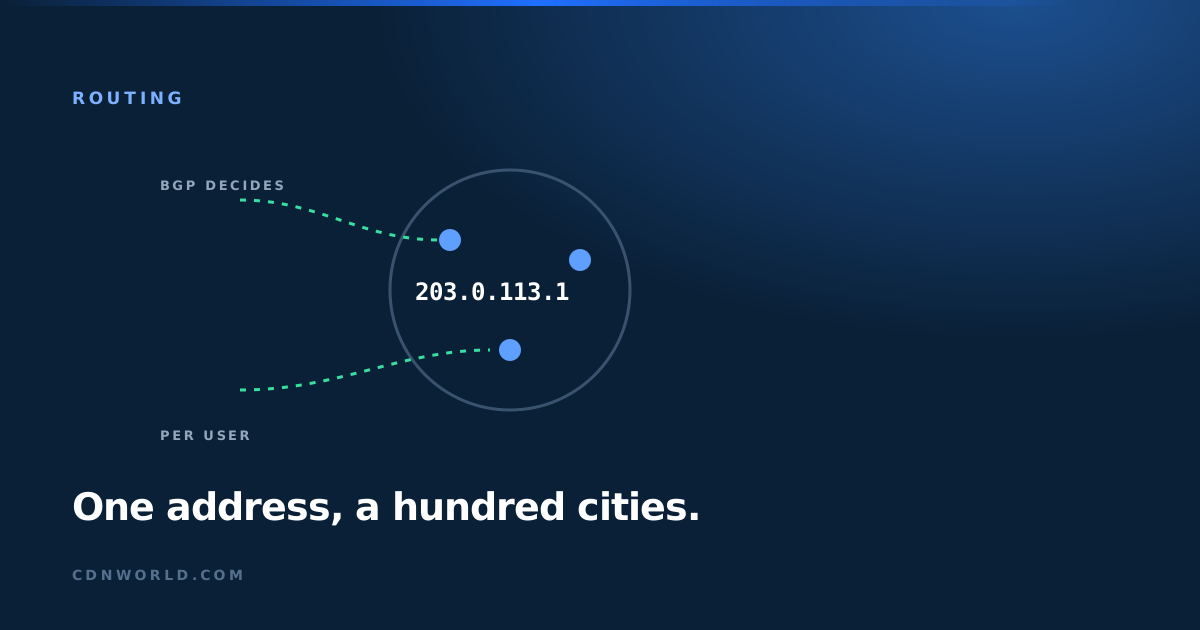 Engineering Anycast mechanics: BGP as a load balancer.
 How one IP answers from a hundred cities, what decides where you land, and how it fails.
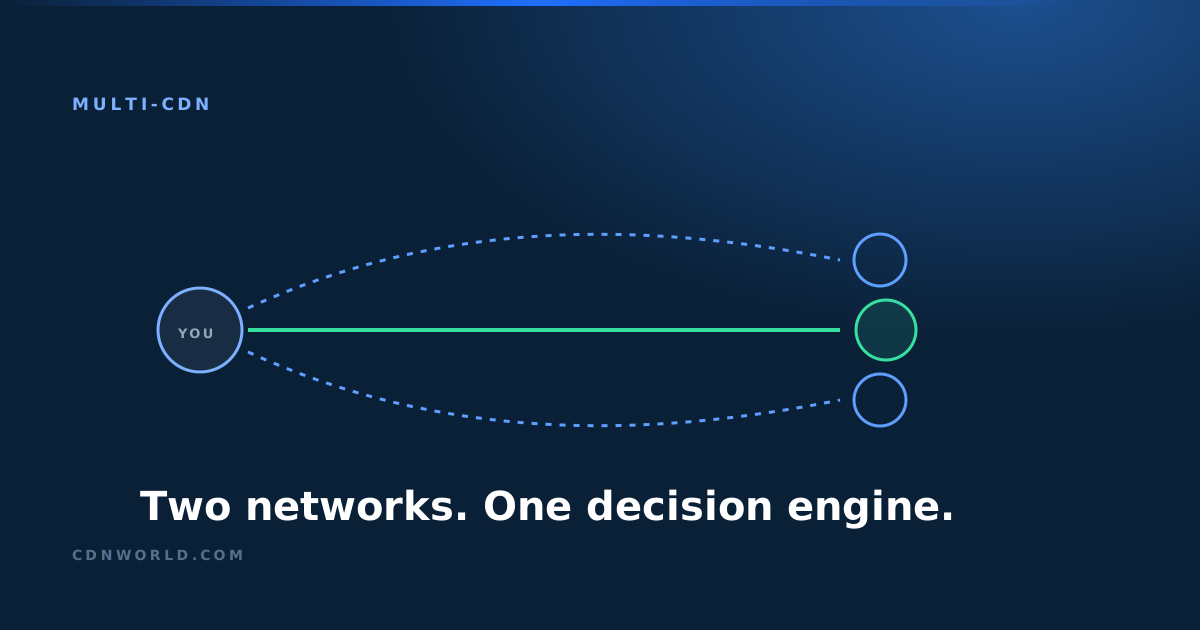 Multi-CDN Multi-CDN in 2026: the honest guide.
 Architecture, steering and the trade-offs the pitch decks skip.
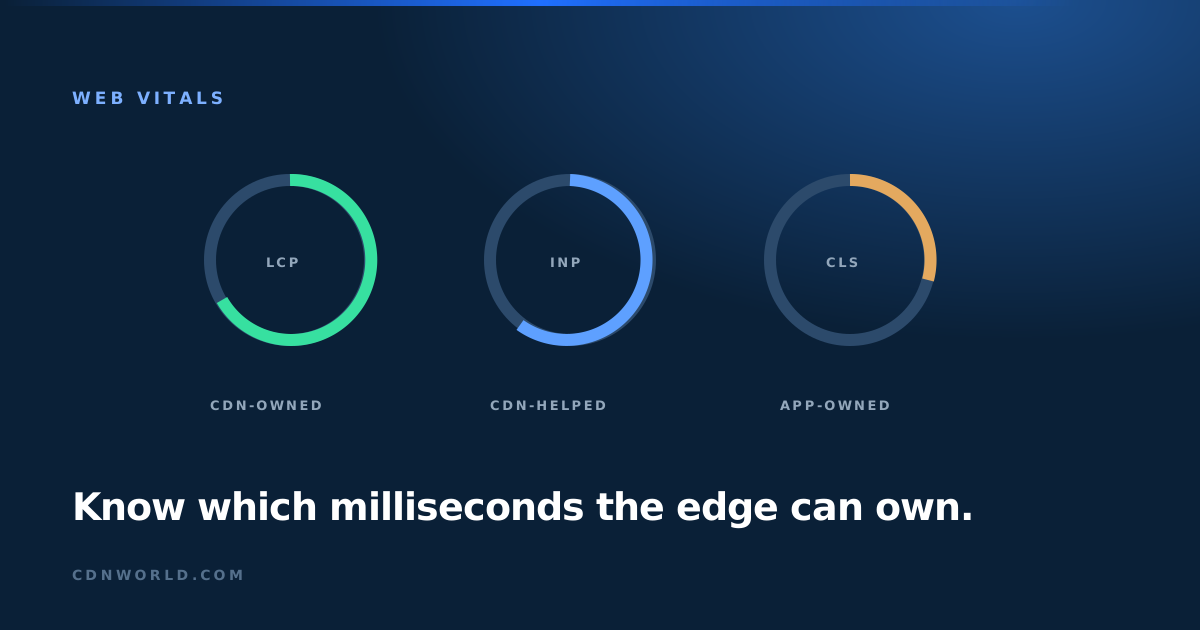 Performance Core Web Vitals and your CDN.
 Which milliseconds Google actually grades, and which the CDN controls.
 Honest advice When a standard plan is the right answer.
 The honest case against overbuying, from people who sell the bigger thing.
 Engineering Origin shield architecture: the second layer that saves you.
 Collapsing thousands of edges into one origin-facing cache, and the design choices inside it.
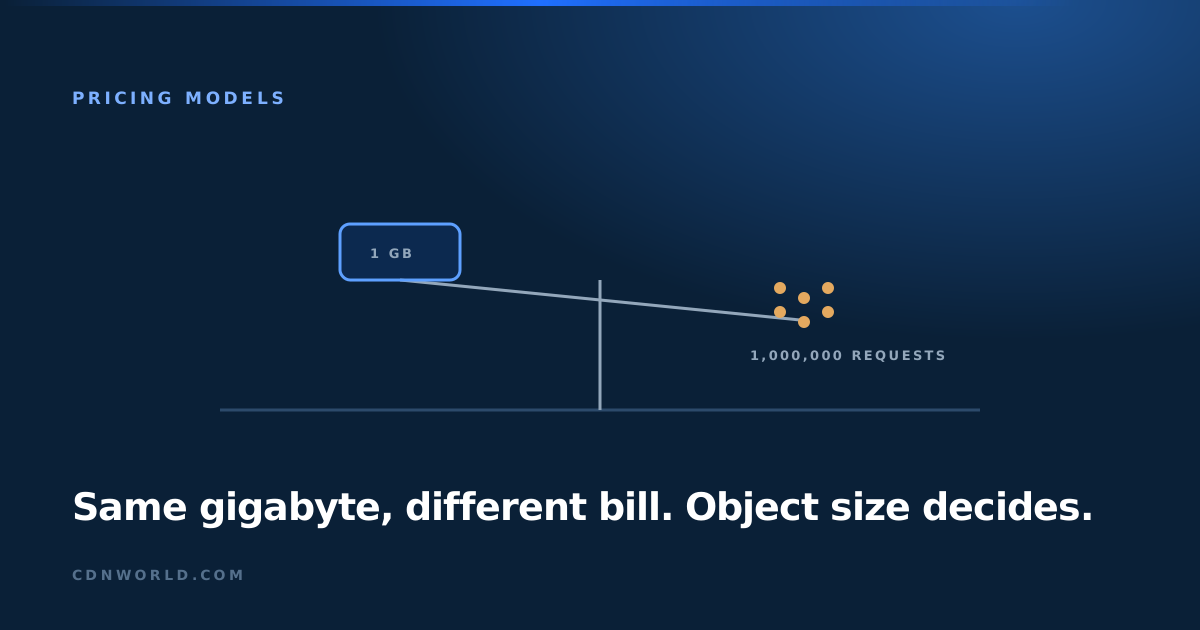 Pricing Per-request pricing: when Fastly’s model wins.
 Regional rates plus request fees make sense for some workloads and mislead others.
 Engineering 5xx at the edge: an error taxonomy for fast triage.
 Whose 503 is it anyway: decoding delivery-layer errors and routing incidents to the right owner in minutes.
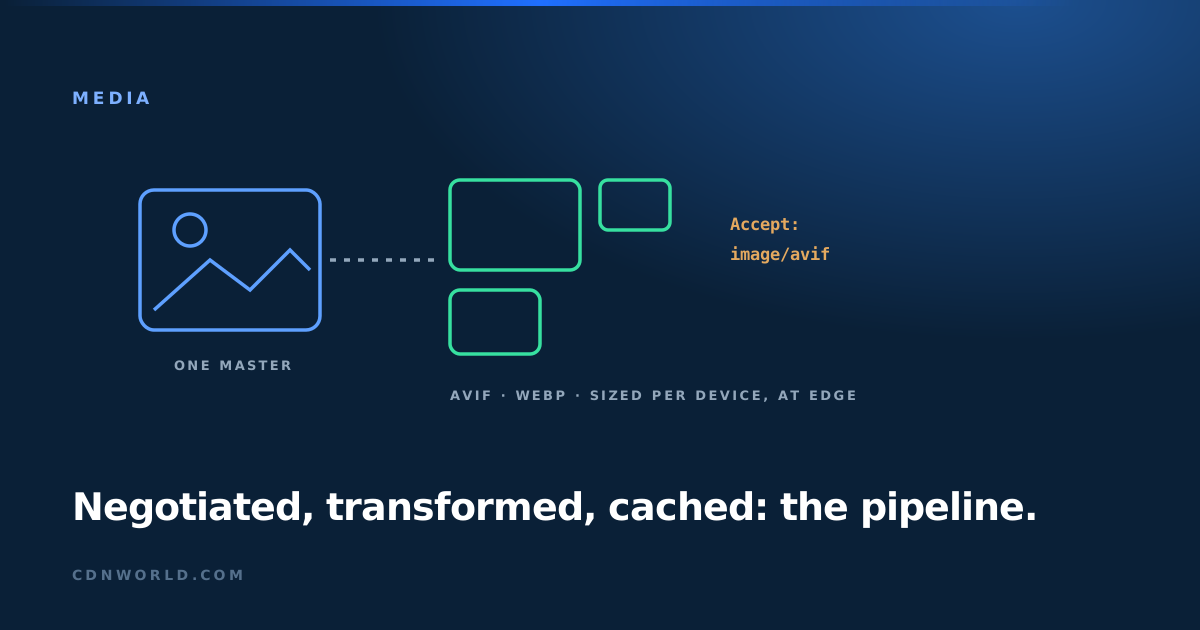 Engineering The modern image pipeline: AVIF, WebP and edge negotiation.
 Format ladders, quality budgets and the delivery plumbing that gets the right bytes to the right screen.
 Rate index The state of CDN pricing 2026.
 Our annual read on where delivery rates actually cleared this year.
 Comparison Fastly versus CloudFront.
 Developer edge against AWS gravity.
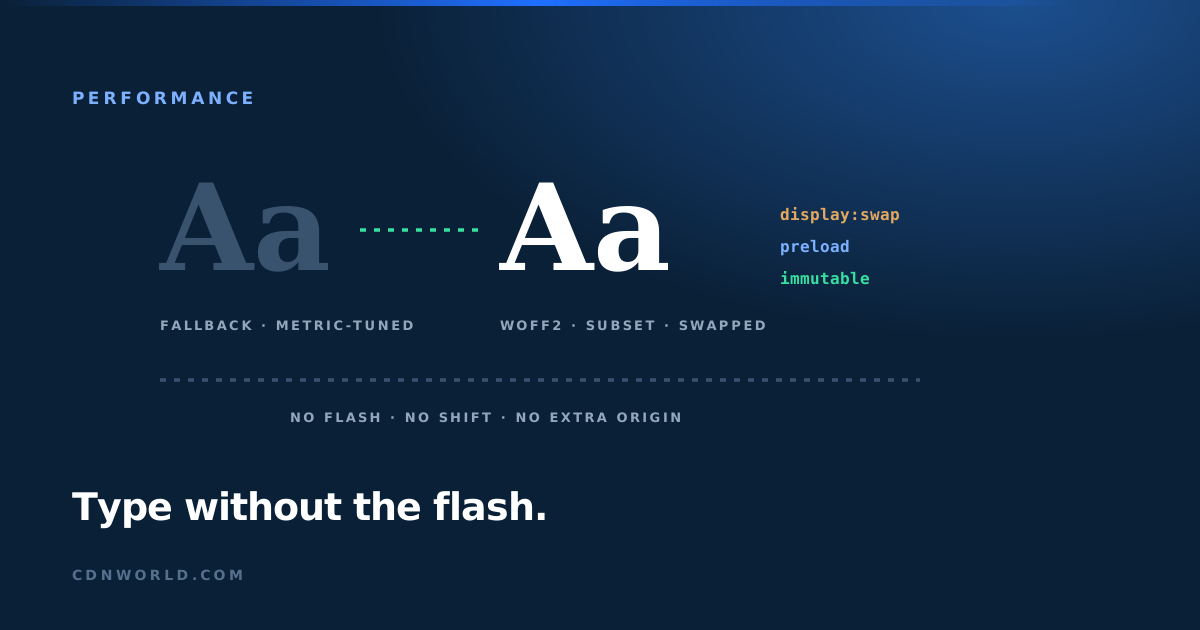 Engineering Web fonts: delivering type without the flash.
 WOFF2, subsetting, font-display and preload: ending the invisible-text era one header at a time.
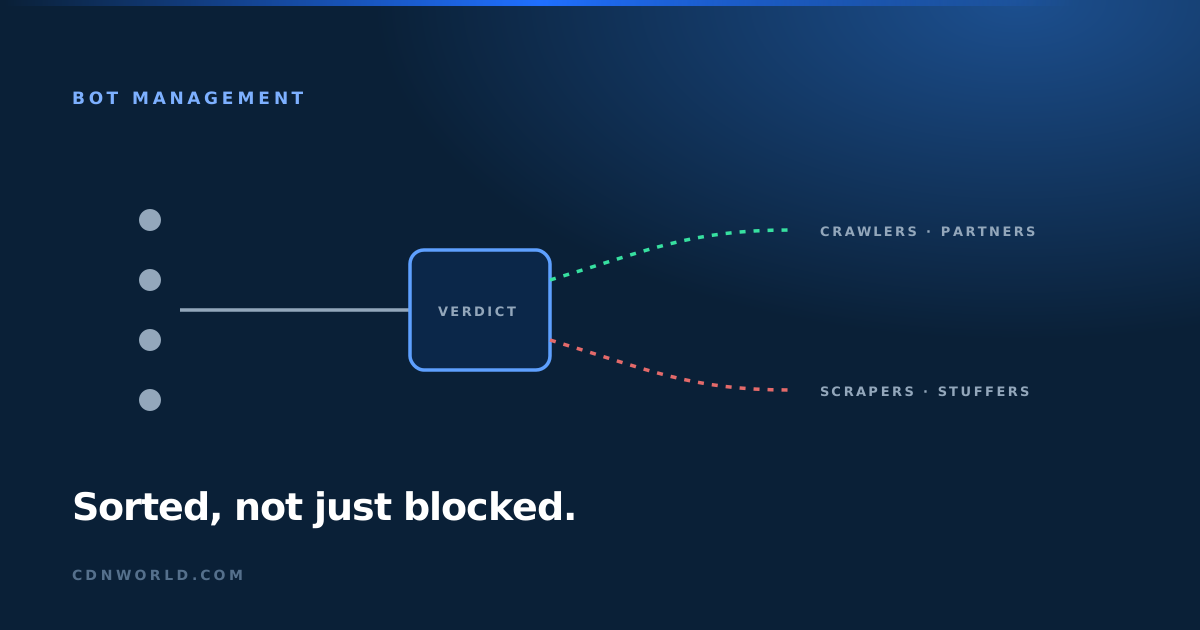 Security Bot management across the big three.
 How Akamai, Cloudflare and Fastly sort good crawlers from bad.
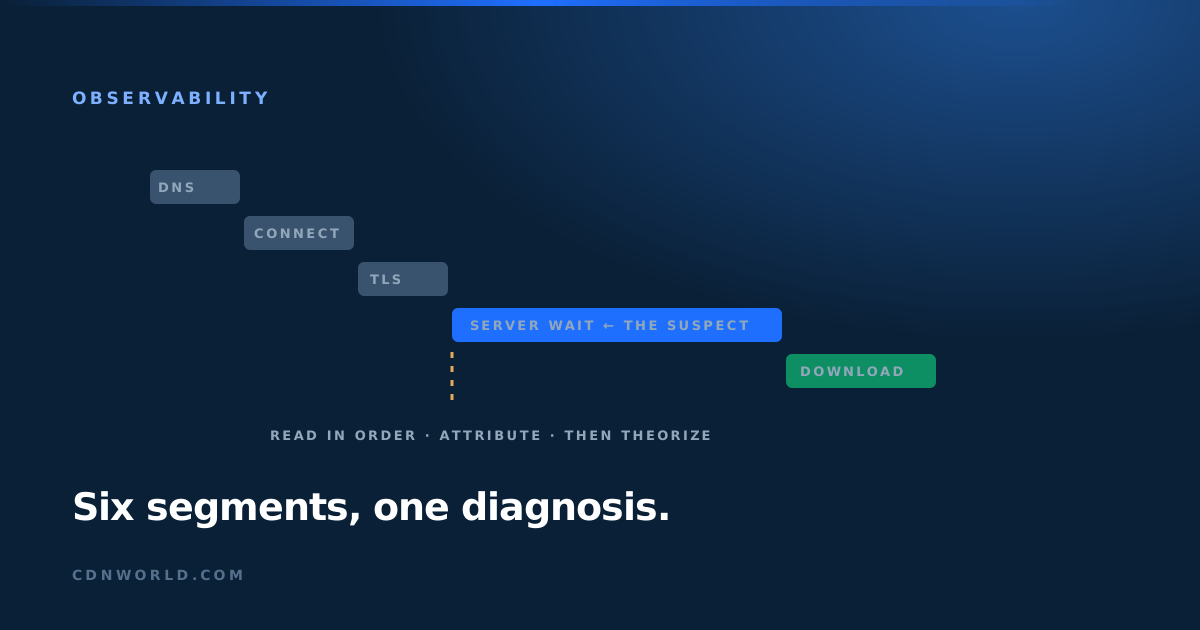 Engineering Reading waterfalls: a TTFB debugging method.
 From symptom to layer in six timing segments: a repeatable diagnosis for slow first bytes.
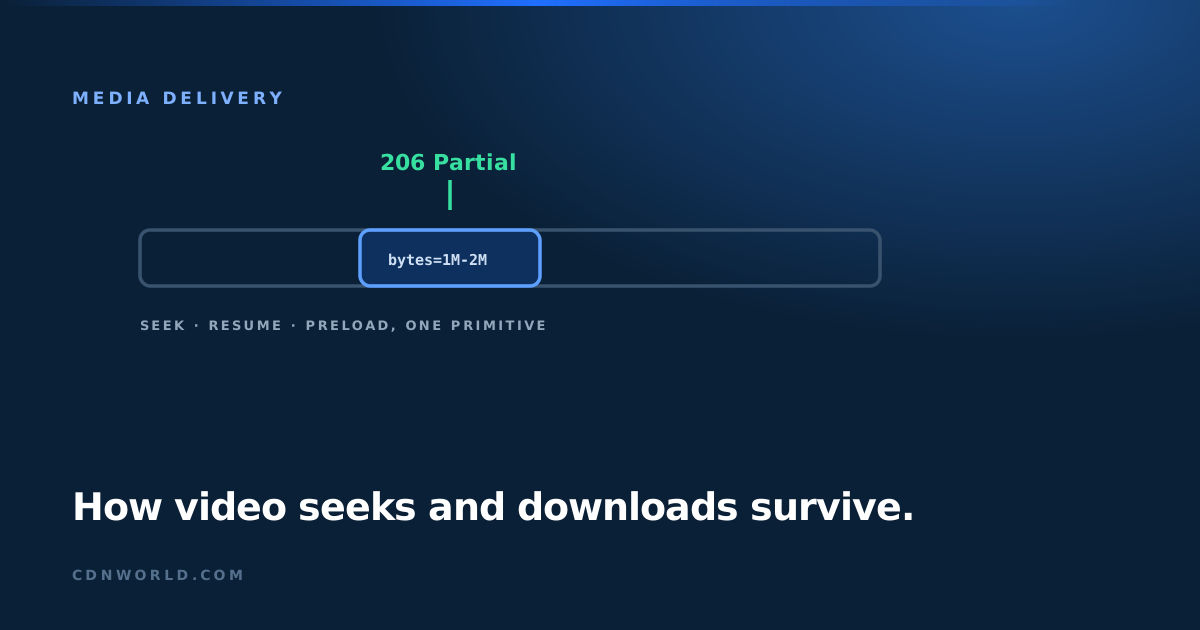 Engineering Range requests: how video seeks and downloads resume.
 Byte ranges are the quiet workhorse of media delivery. Here is how caches handle them, and where they go wrong.
 Comparison Akamai versus CDNetworks, measured.
 Enterprise heritage against Asia strength, and where each rate card wins.
 Engineering Request coalescing and the thundering herd.
 What happens in the milliseconds after a hot object expires, and the machinery that keeps it boring.
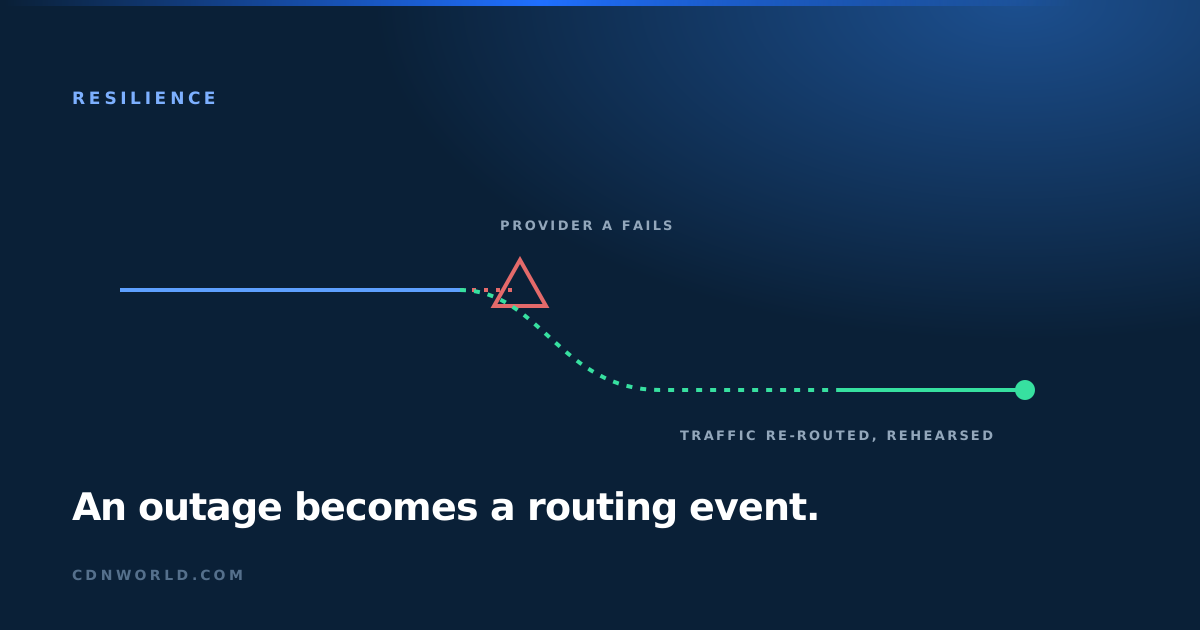 Resilience What the big outages taught multi-CDN buyers.
 Every major CDN incident is a free failover test. Here is what they keep proving.
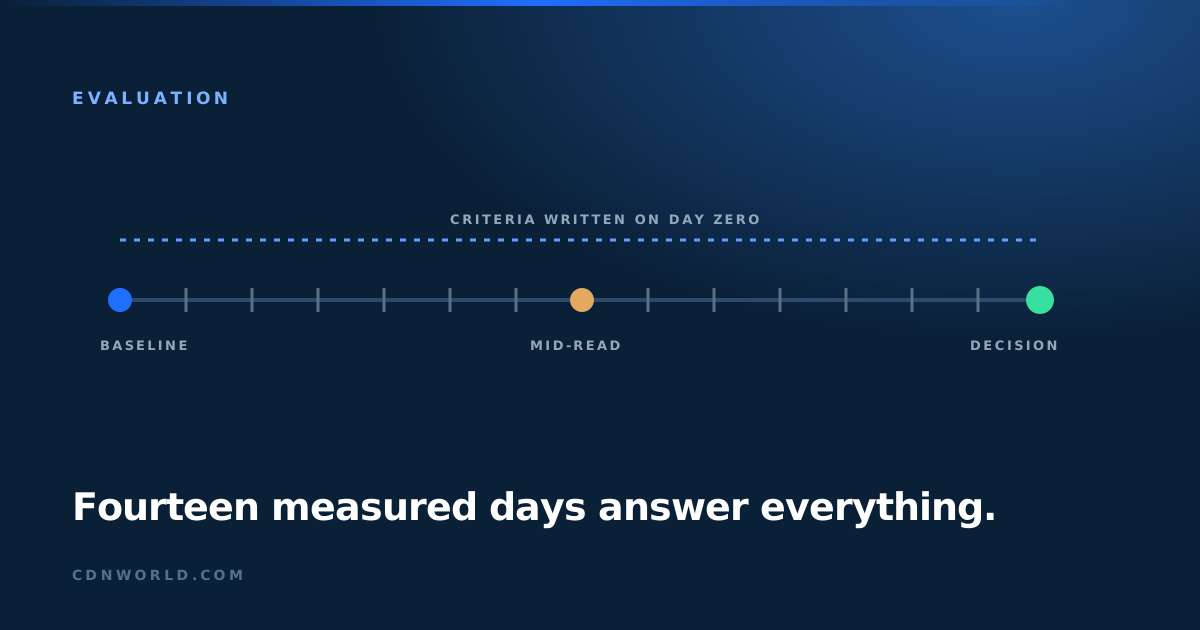 Evaluation CDN trials: what to measure in 14 days.
 A trial is an experiment. Treat it like one.
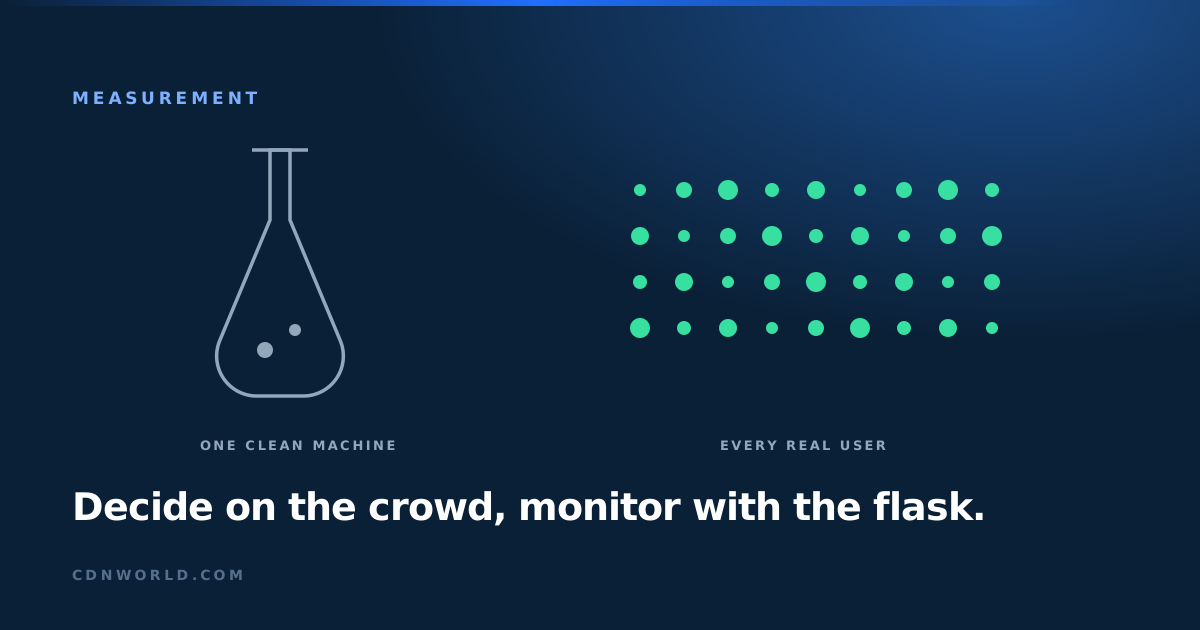 Measurement Real user monitoring versus synthetic tests.
 Why lab scores mislead CDN decisions, and what to trust instead.
 Engineering Unifying logs across CDNs: one truth from many edges.
 Field mapping, delivery lag, sampling honesty: building the observability layer multi-CDN actually requires.
 Streaming Video CDN pricing, explained properly.
 Cost per viewer-hour is the only number that matters. Here is the math.
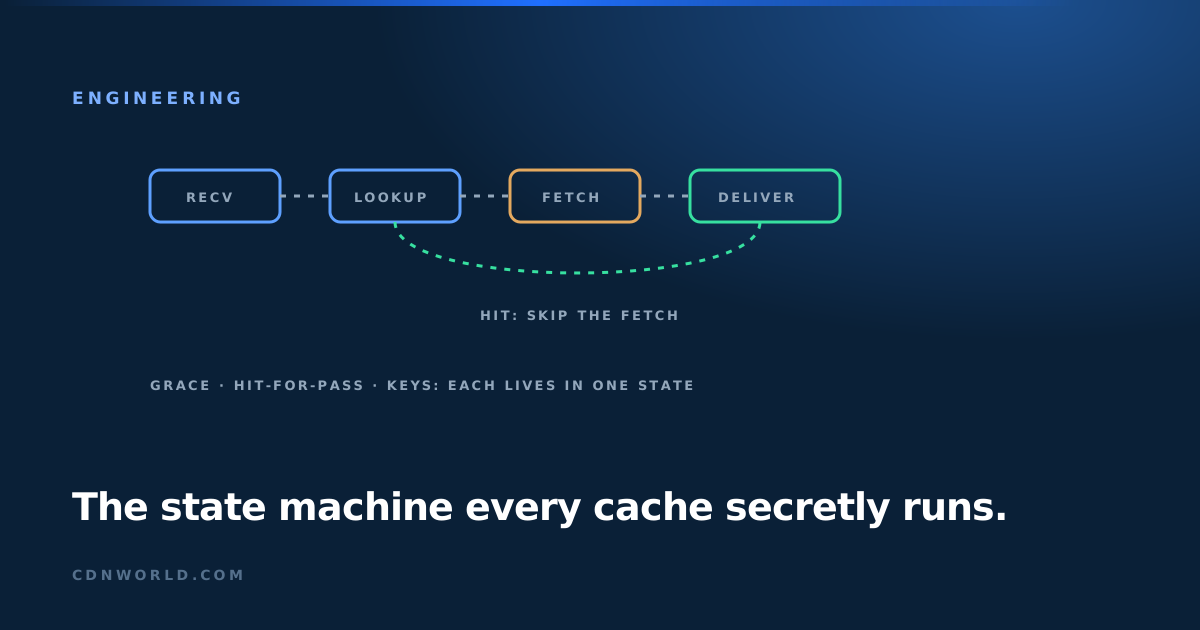 Engineering The VCL mental model: thinking in request states.
 Varnish’s configuration language shaped how a generation reasons about caching. The state machine is the curriculum.
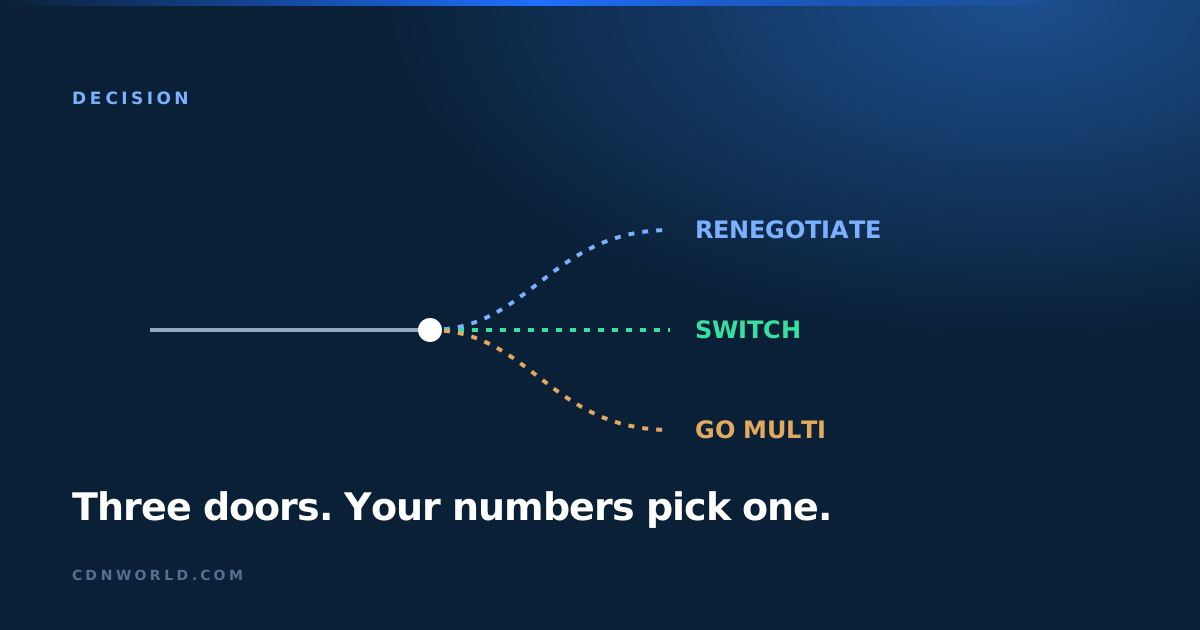 Multi-CDN Single CDN, multi-CDN, or renegotiate?.
 The four questions that settle the debate: downtime cost, geography, performance versus price, and team capacity.
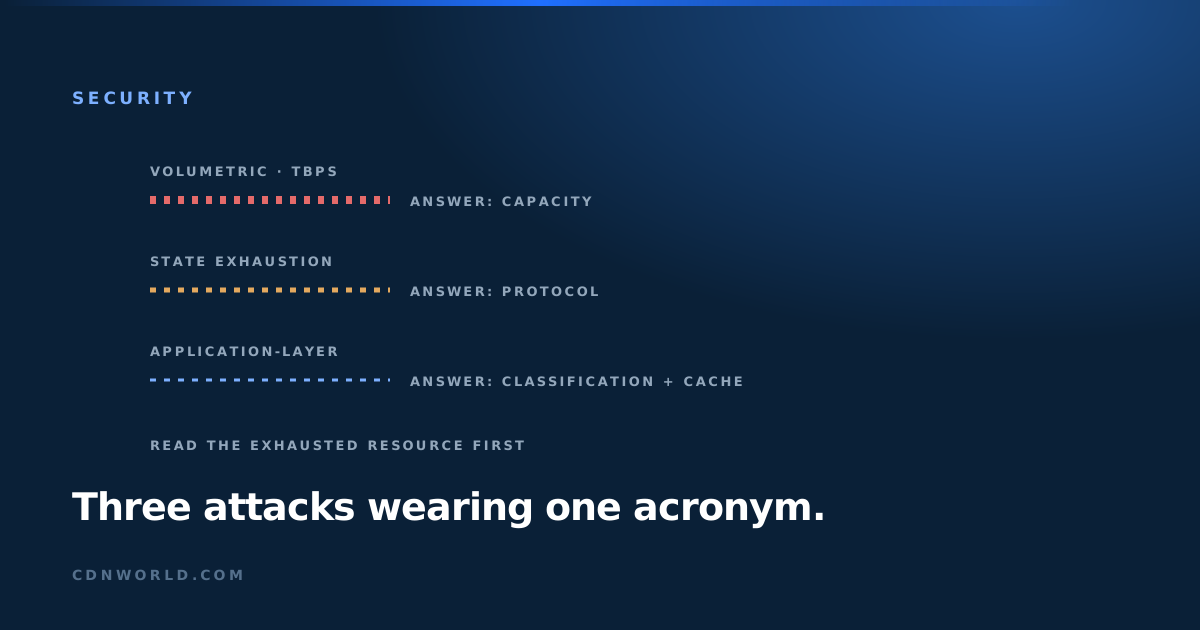 Security A DDoS taxonomy: reading attacks by layer.
 Volumetric floods, state exhaustion and application-layer siege: what each looks like, and which defense actually answers it.
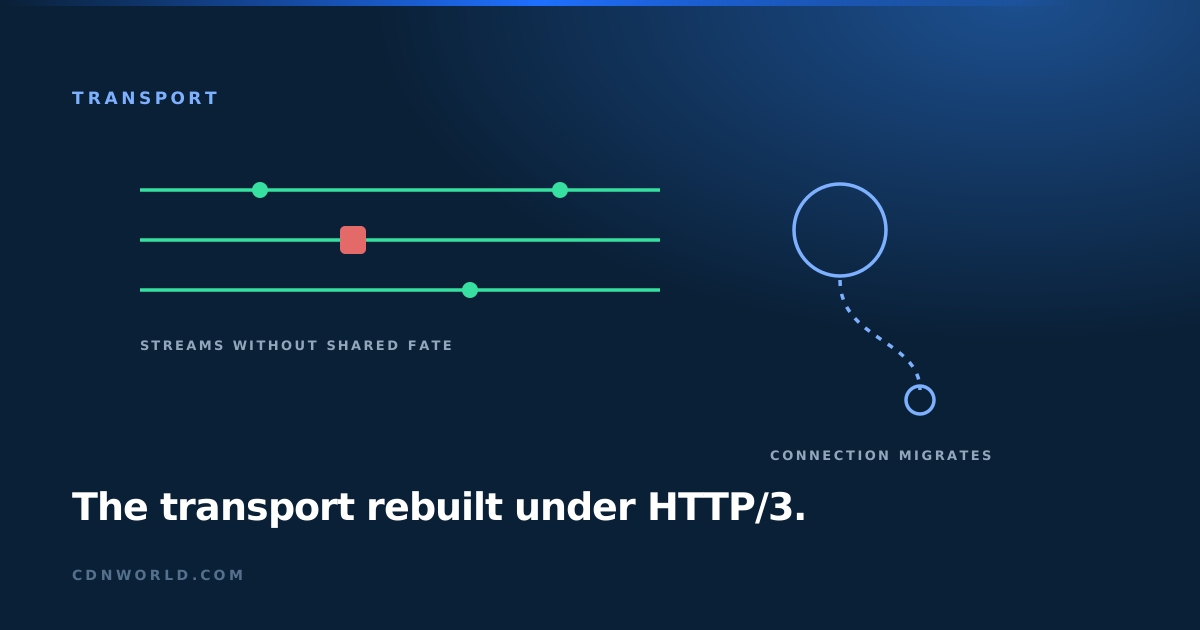 Engineering QUIC internals for delivery operators.
 Streams, connection IDs, loss recovery and migration: what actually changed under HTTP/3.
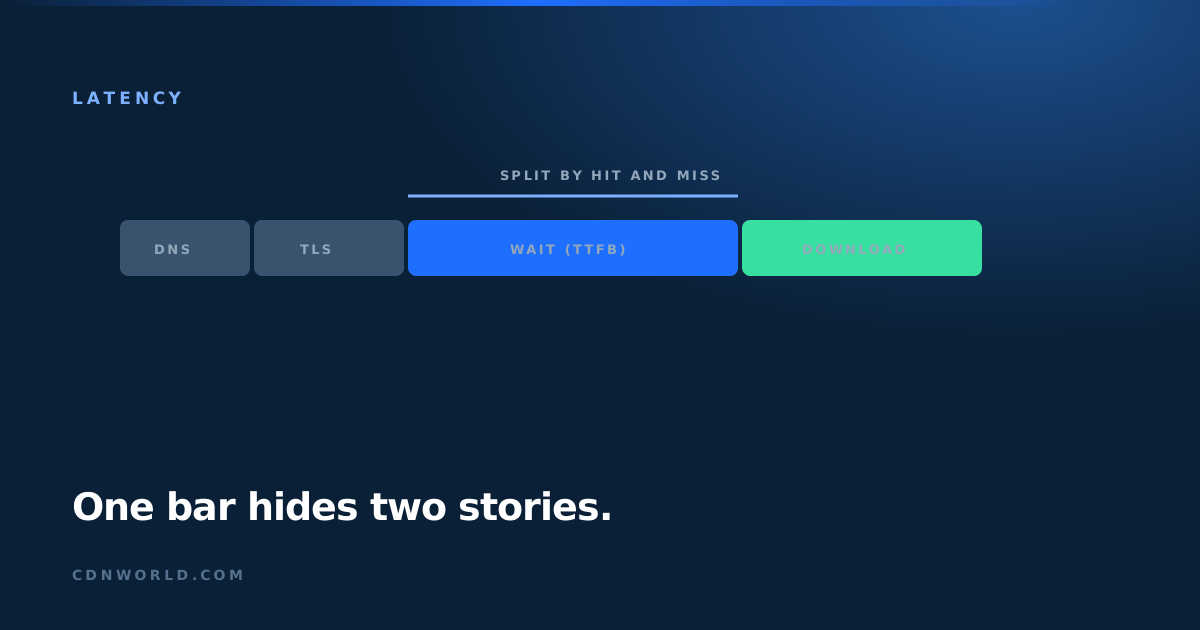 Performance TTFB: what first byte time tells you.
 The most quoted latency metric, what it reveals, and what it hides.
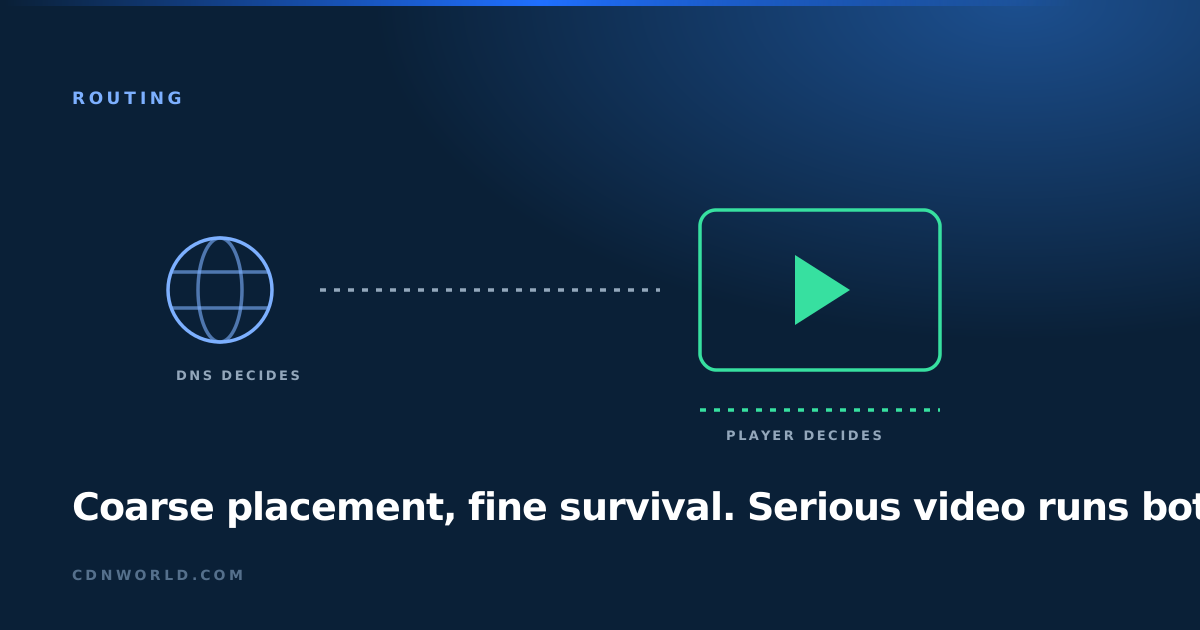 Multi-CDN DNS steering versus client-side switching.
 How multi-CDN routing actually decides, and which decider fits you.
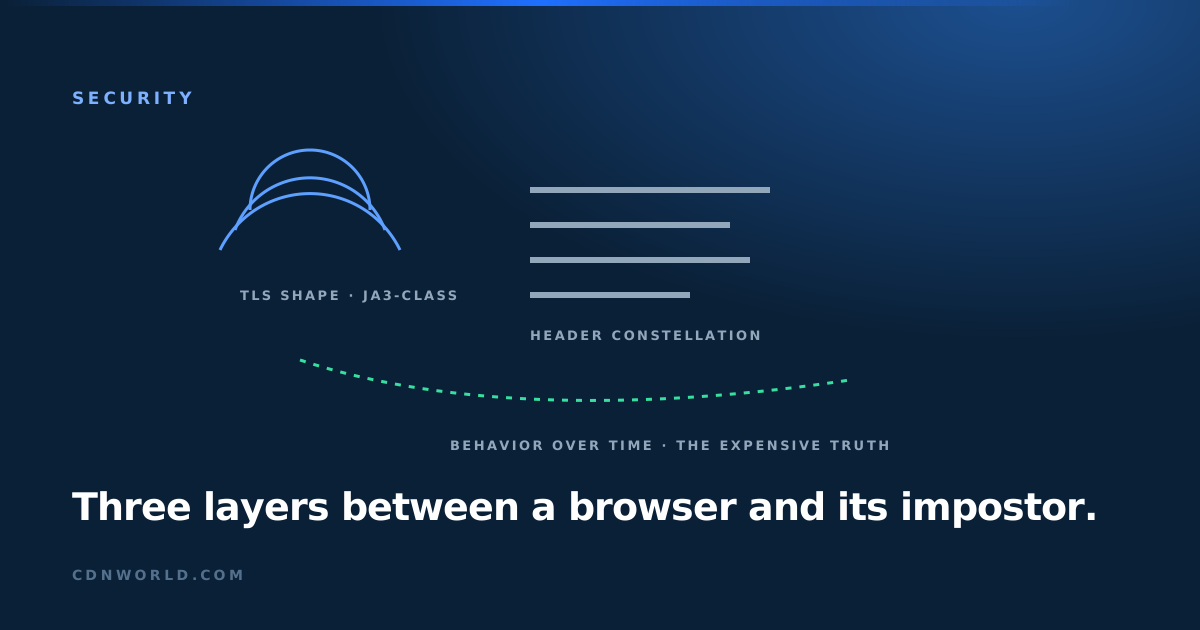 Security Bot fingerprinting: TLS signatures and behavioral signals.
 JA3-style hashes, header forensics and behavior models: how edges classify automation, and the arms race underneath.
 Security pricing What DDoS protection should cost.
 Mitigation pricing at each scale, and where the padding hides.
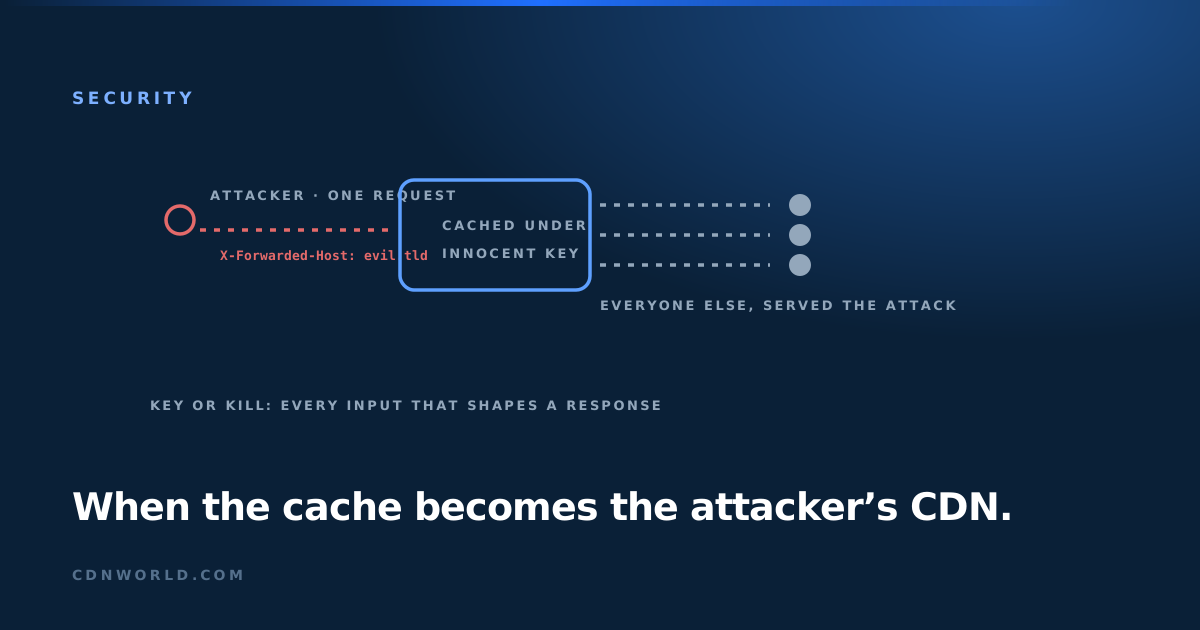 Security Cache poisoning: how caches get tricked into serving attacks.
 Unkeyed inputs, header smuggling and the defenses that keep your cache from becoming the attacker’s CDN.
 Security Locking the back door: mTLS and origin protection.
 Your edge is hardened; is your origin still on the public internet answering strangers? Closing the bypass properly.
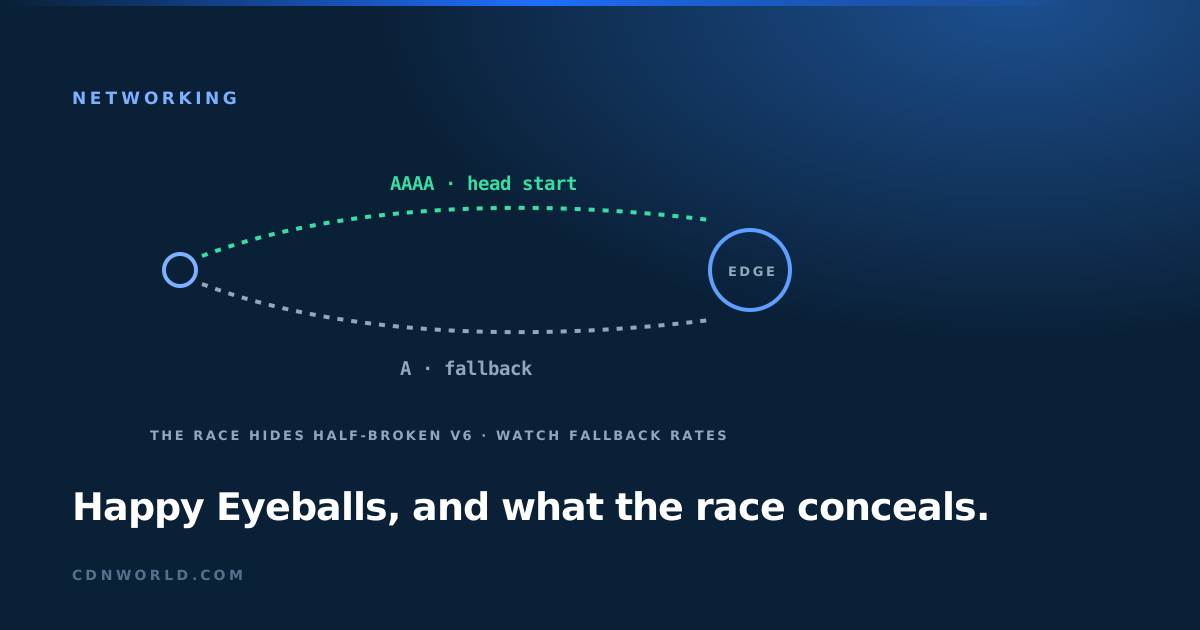 Engineering IPv6 and Happy Eyeballs in content delivery.
 Dual-stack reality: what v6 changes for latency, what it breaks when half-configured, and how clients race the two.
 Engineering BBR and congestion control: why CDN throughput differs.
 Loss-based versus model-based congestion control, and why the algorithm your CDN runs shapes your users’ throughput.
 Pricing The true cost of free CDN tiers.
 What free plans actually trade, and when the trade is fine.
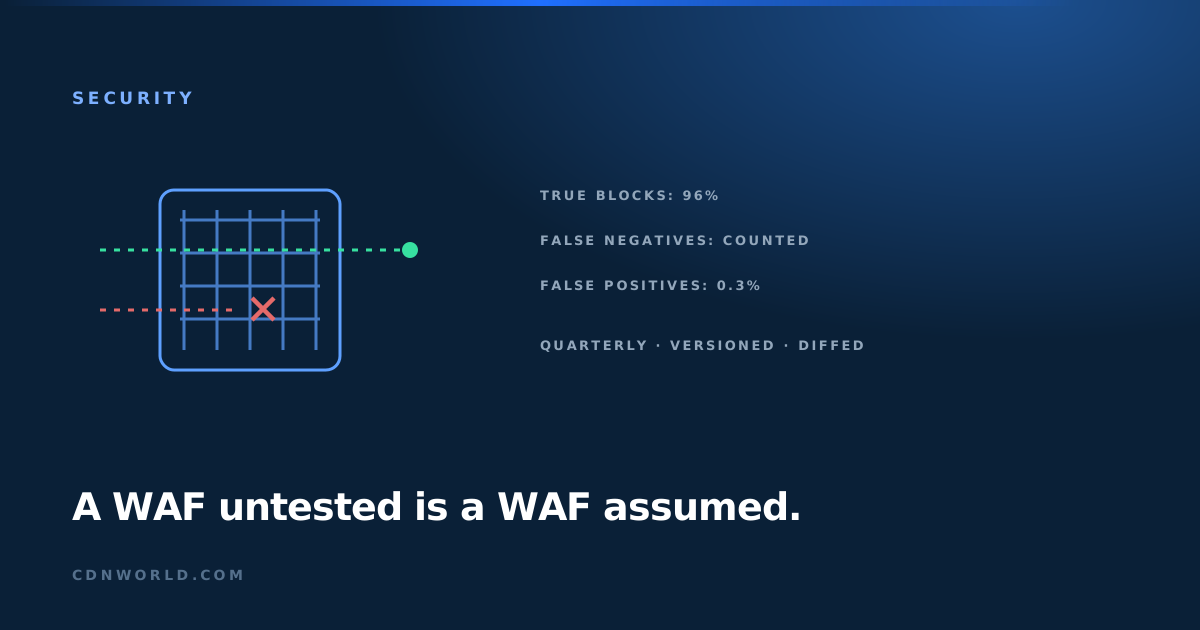 Security Testing your WAF like you mean it.
 Beyond the deployment checkbox: measuring what your rules actually catch, pass and break.
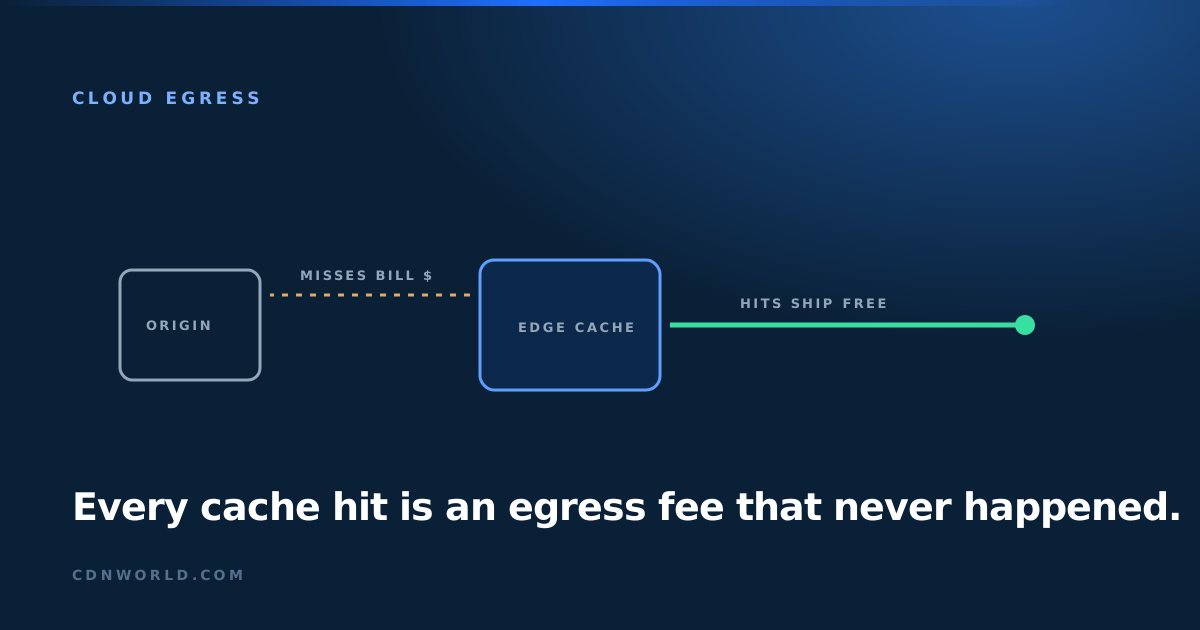 Cloud costs Egress fees: the cloud bill your CDN controls.
 Every request your CDN serves is a request your cloud does not bill for.
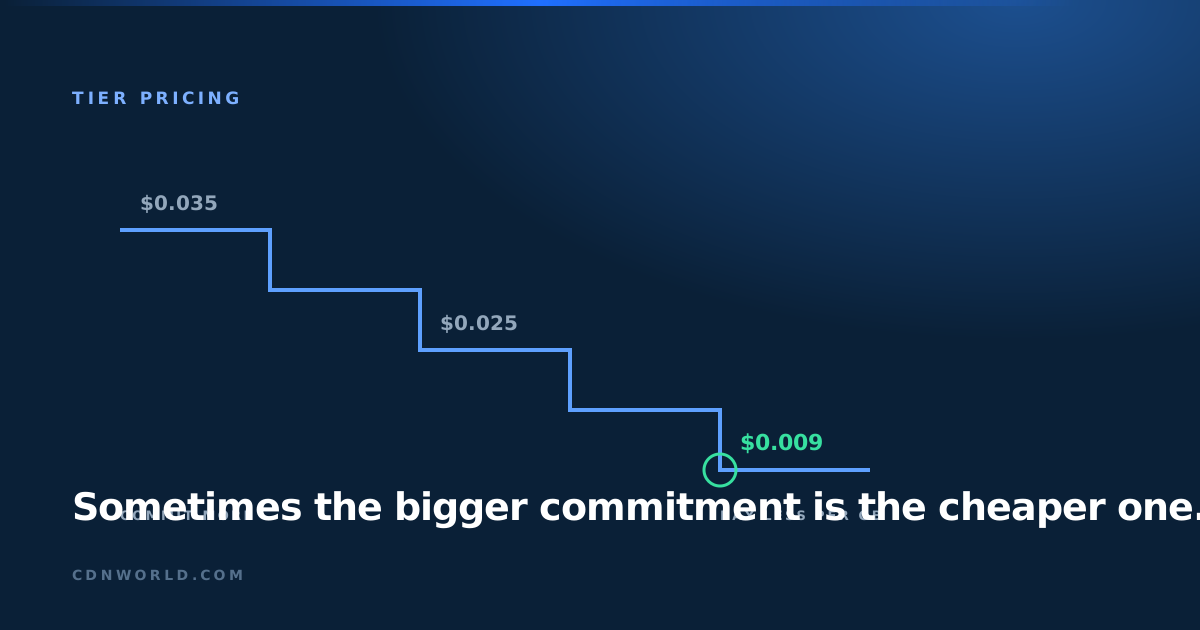 Pricing Committed-volume tiers, explained.
 How tier pricing really works, and when committing more genuinely costs less.
 Review Fastly review 2026.
 Where instant configuration earns its premium.
 Security The security renewal trap.
 Auto-renews, mitigation clauses and the overage exposure in your contract.
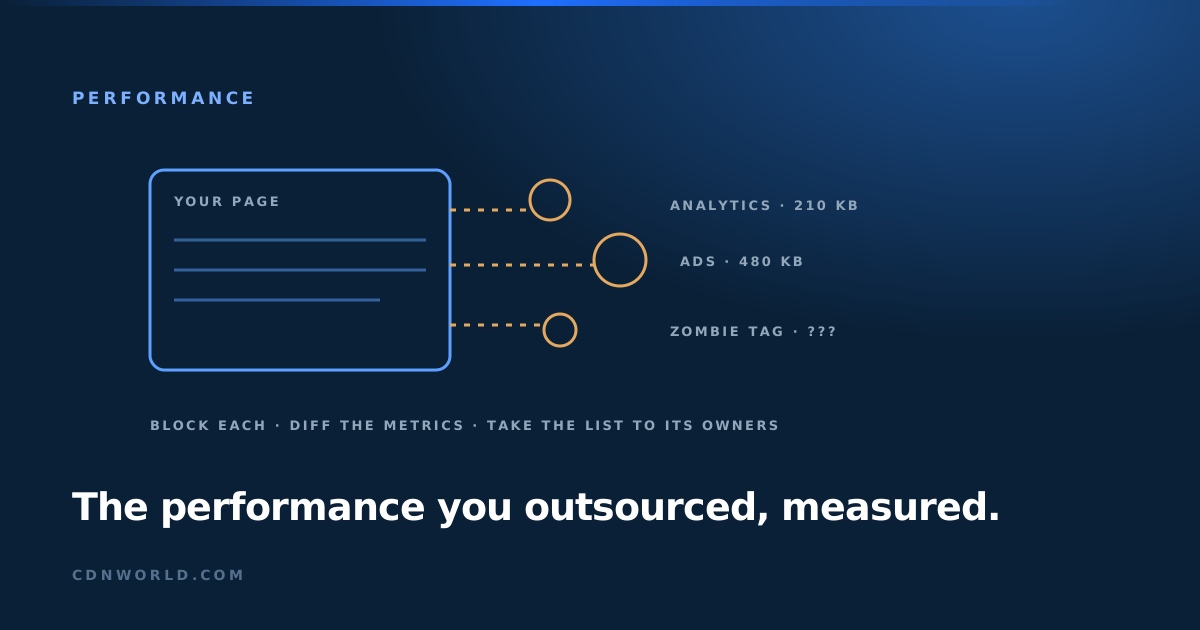 Engineering Third-party tags: the performance you outsourced.
 Analytics, ads, widgets: measuring the tax, containing the blast radius, and governing the creep.
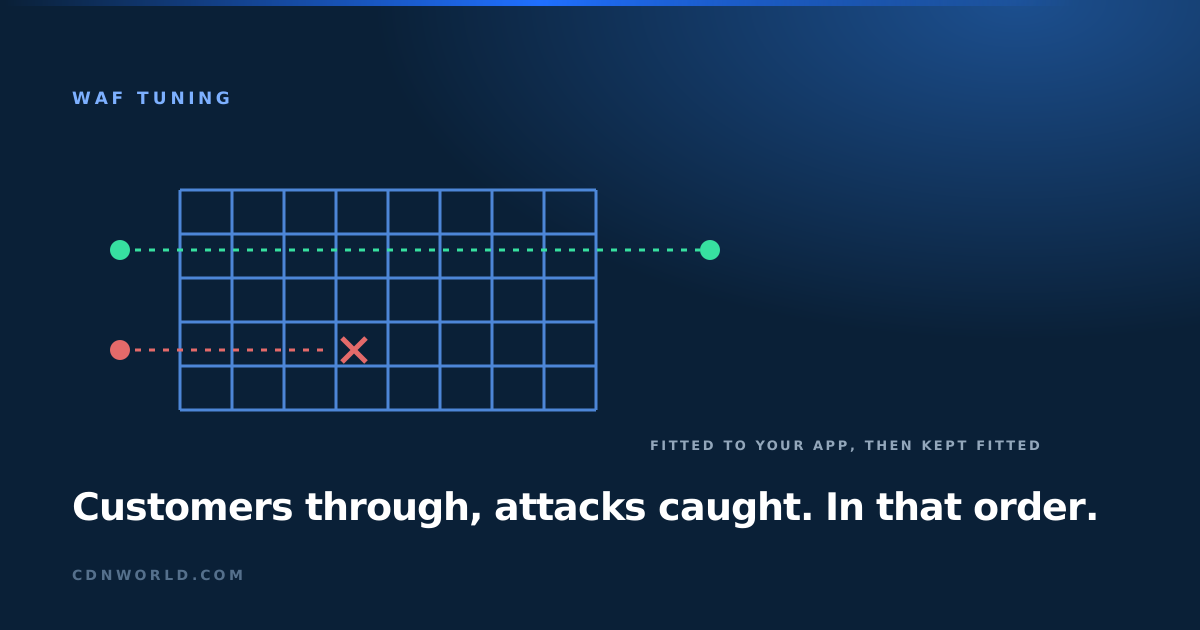 Security Why default WAF rulesets fail twice.
 Blocking customers and missing attacks at the same time.
 Engineering Delivering single-page apps: shells, chunks and the cache seam.
 Fingerprinted bundles, HTML that must not cache long, and the deploy-time race that 404s your users.
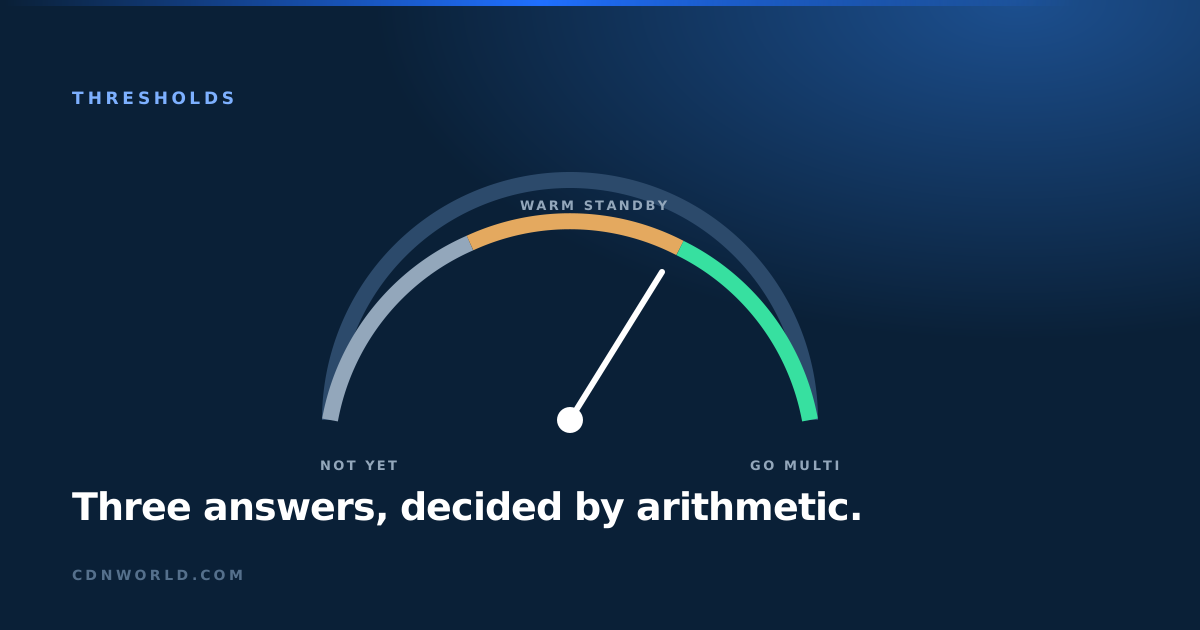 Decision Do you actually need multi-CDN?.
 The thresholds that justify it, and the polite ways to say not yet.
 Review CDNetworks review 2026.
 The honest independent assessment of Asia’s strongest delivery network.
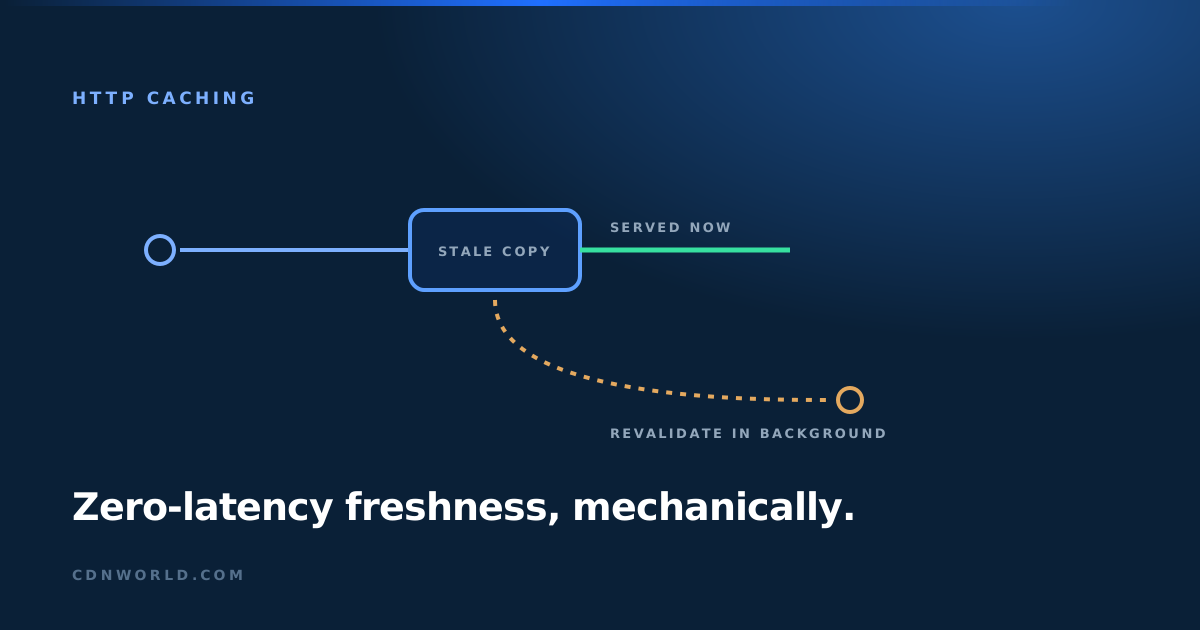 Engineering stale-while-revalidate, mechanically.
 The directive that removes revalidation latency: how it executes inside a CDN, and where its guarantees end.
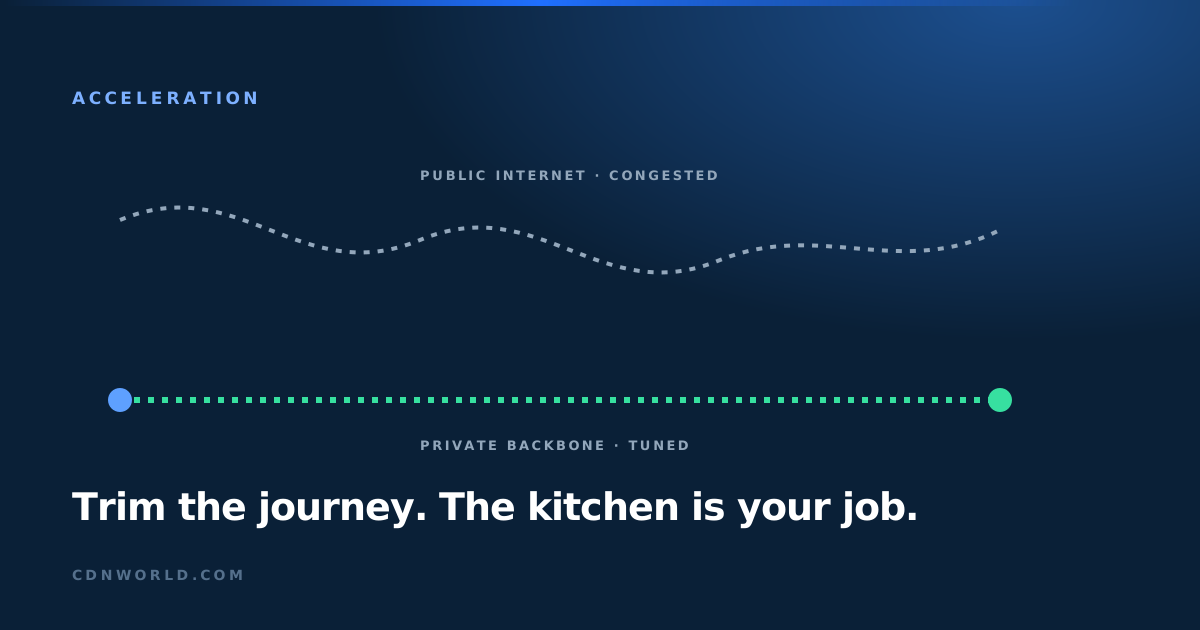 Performance What CDNs can and cannot speed up.
 Dynamic acceleration explained without the mysticism.
 Contracts Overage clauses, minimums and true-ups.
 The contract terms that quietly decide what you actually pay.
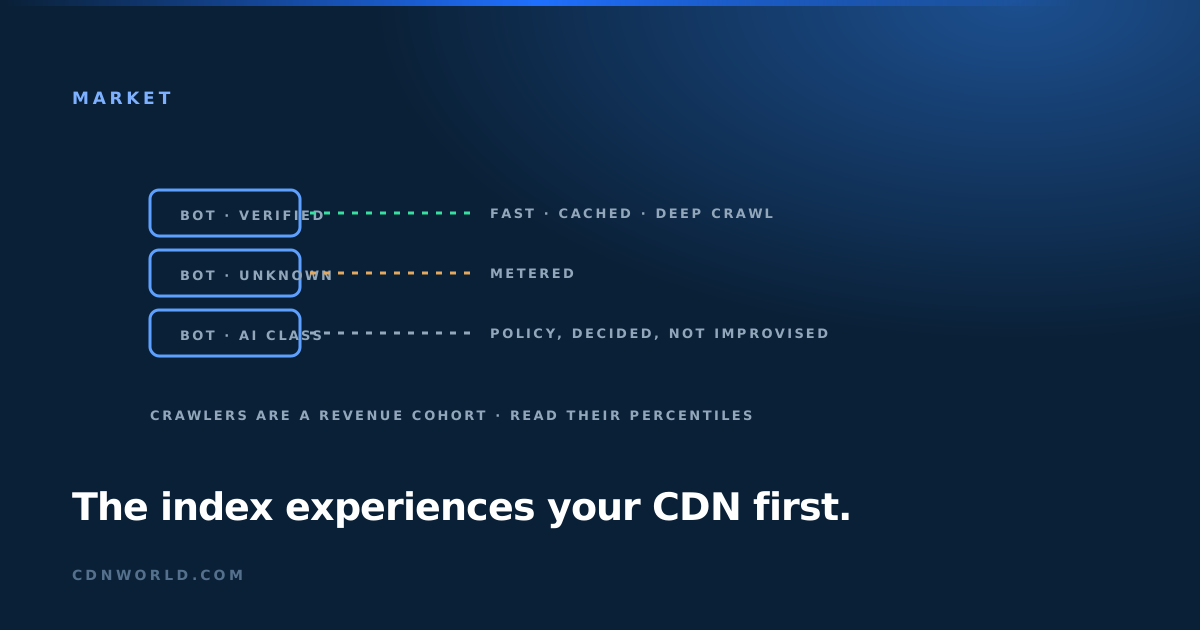 Market analysis Crawl budget and delivery: SEO’s infrastructure layer.
 How bots experience your CDN, why 5xx and slowness shrink your index, and the delivery settings that are secretly SEO settings.
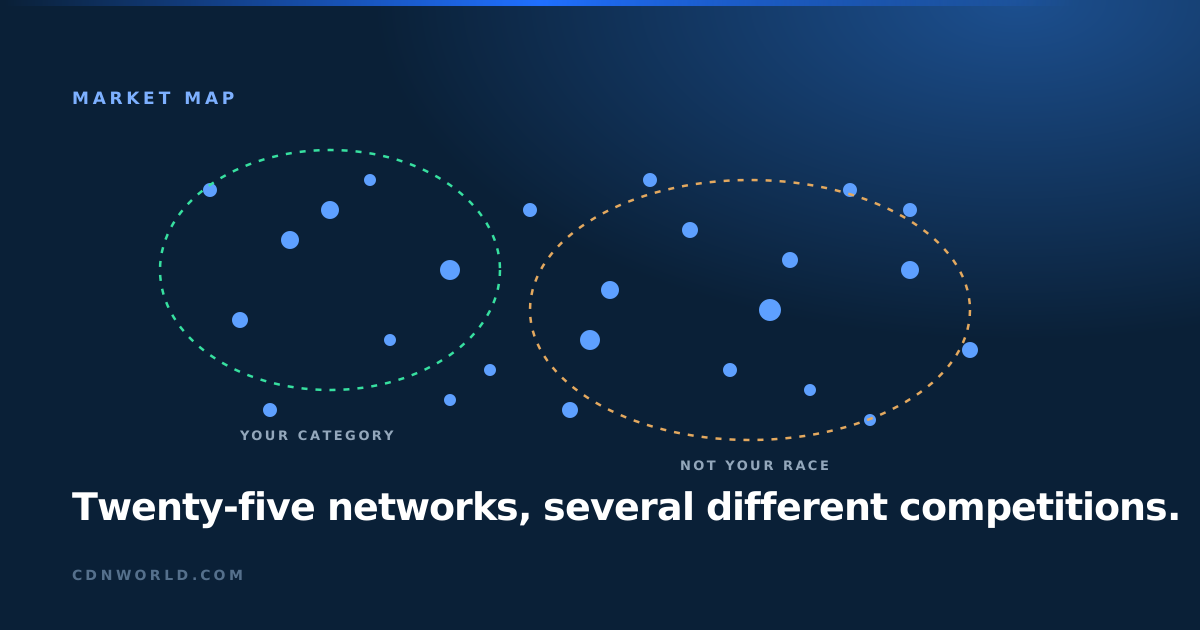 Market map The 25-provider landscape in 2026.
 Who actually competes for what, from hyperscale to specialist.
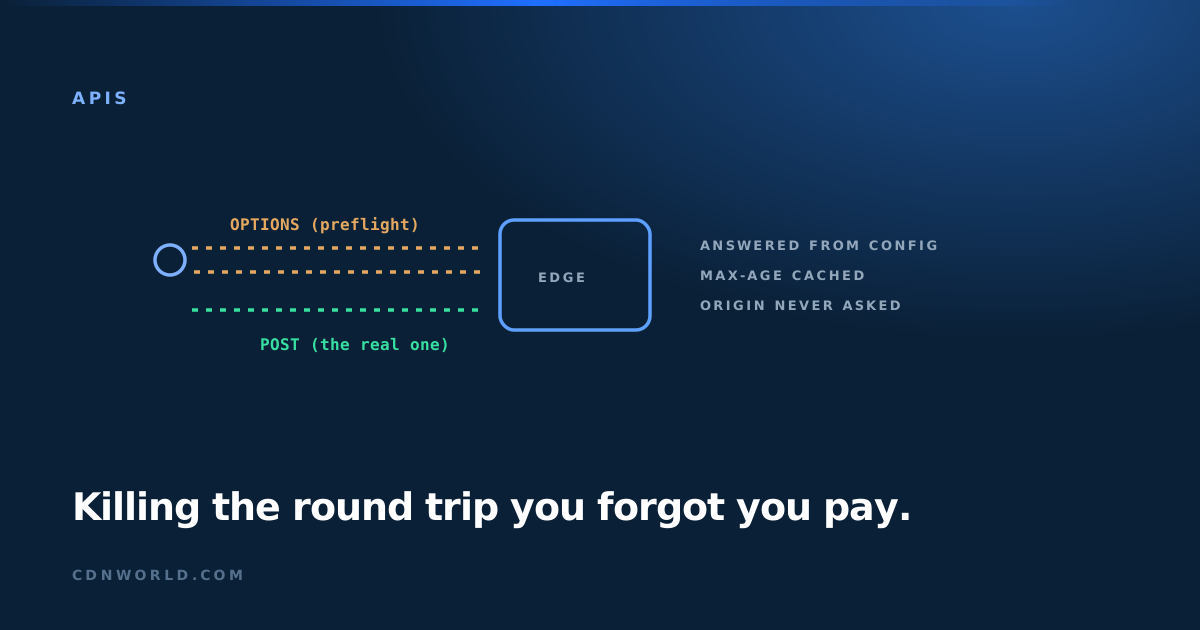 Engineering CORS at the edge: killing the preflight tax.
 Why OPTIONS requests stalk your APIs, how to cache them properly, and the config that makes them vanish.
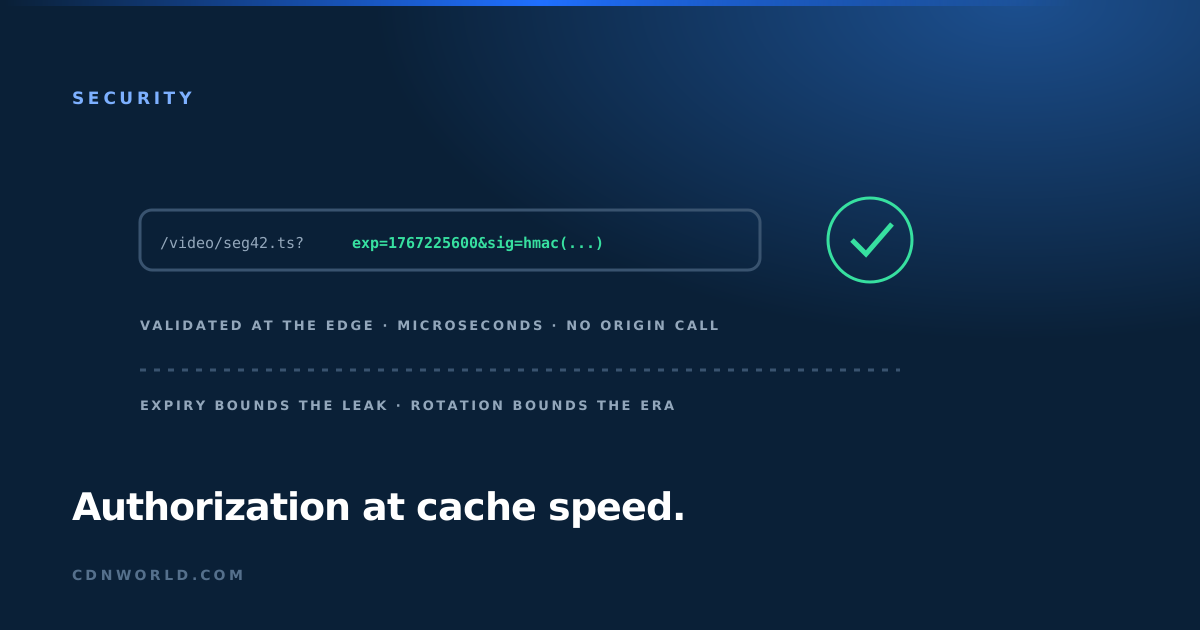 Engineering Signed URLs and token authentication at the edge.
 Protecting content without an origin round trip: schemes, expiry design and the revocation trade.
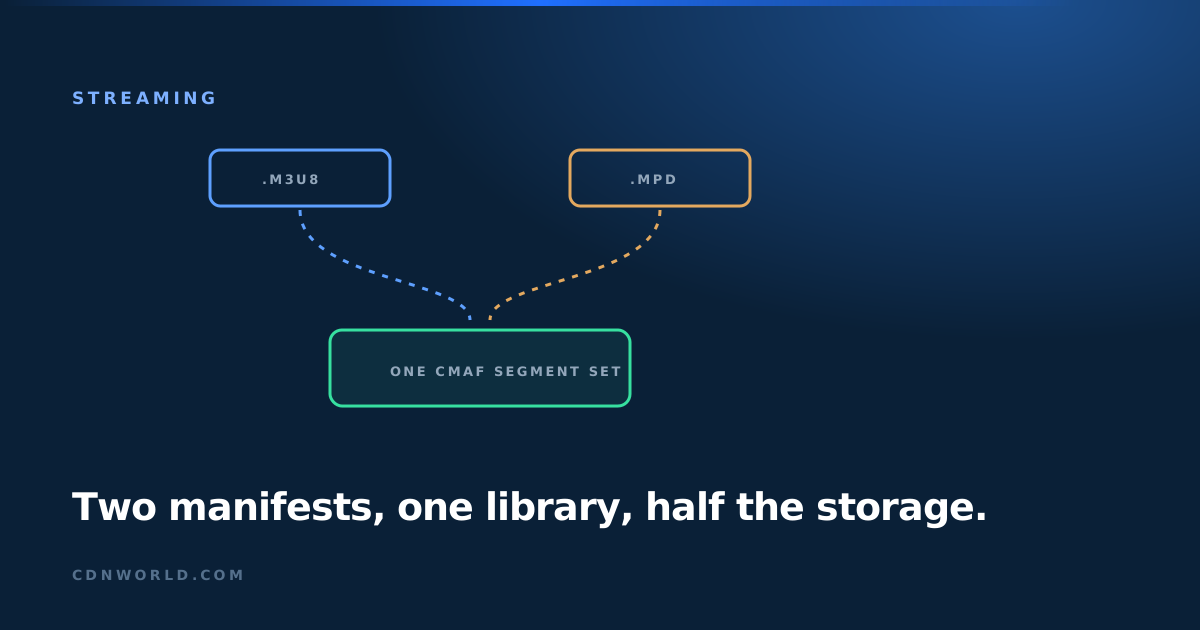 Streaming HLS vs DASH in 2026: the format war that ended in CMAF.
 Two manifests, one segment format, and the packaging decisions that still matter.
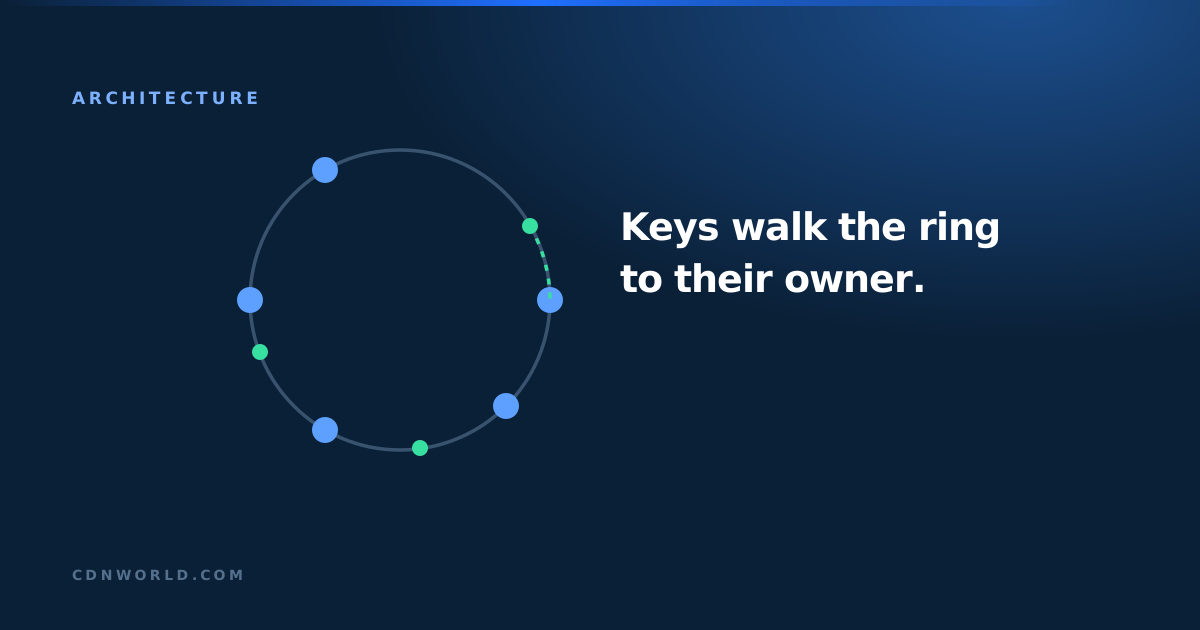 Engineering Consistent hashing inside CDN clusters.
 How a POP decides which server owns an object, and why nodes joining or leaving barely moves the cache.
 Streaming Capacity planning for your biggest night.
 Live events reward preparation with anticlimax. That is the goal.
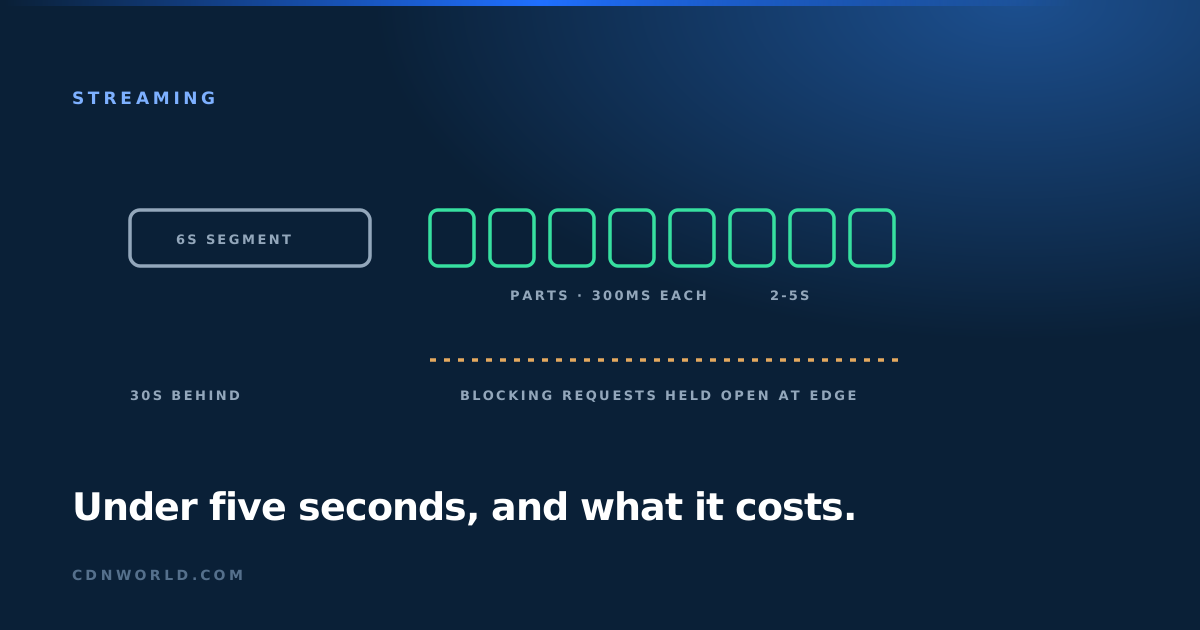 Streaming Low-latency HLS: partial segments and the new delivery contract.
 How LL-HLS gets under five seconds, and what it demands from your CDN.
 Procurement The RFP questions that separate vendors.
 What to ask before the demo steers the conversation.
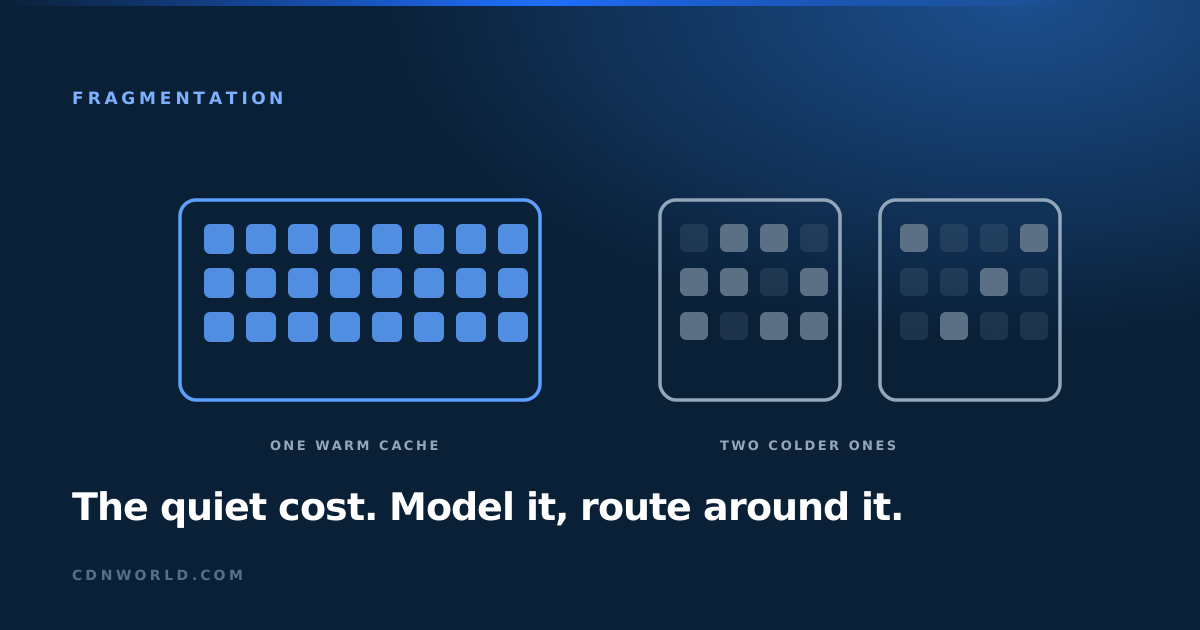 Multi-CDN Cache fragmentation: multi-CDN’s quiet cost.
 The trade-off the pitch decks skip, and how to contain it.
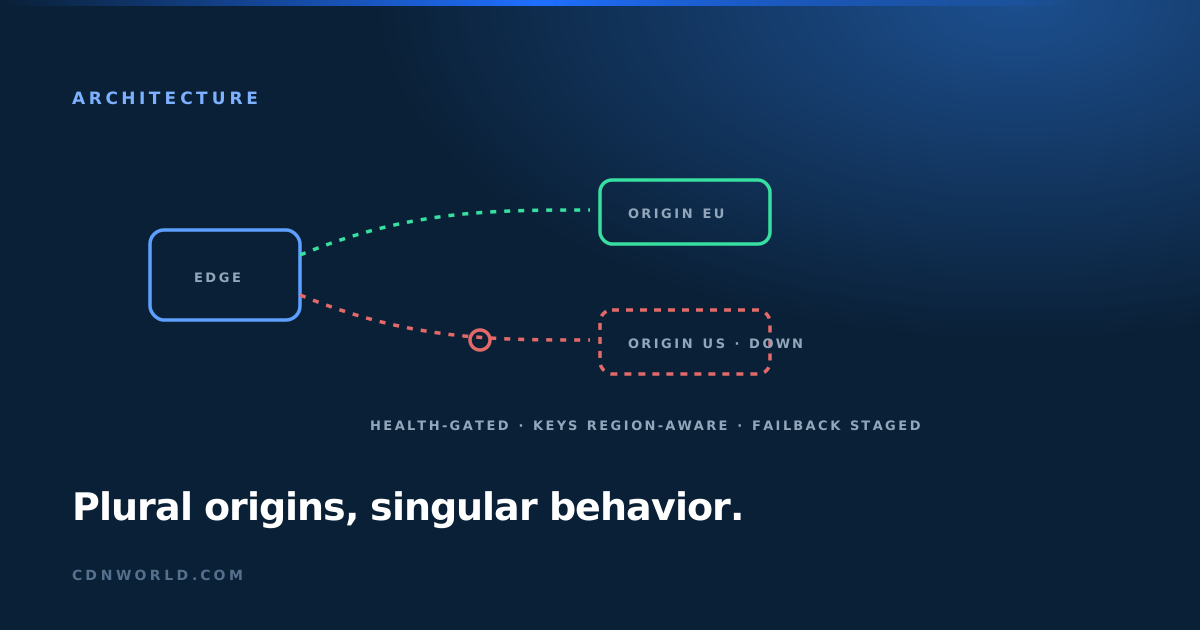 Engineering Multi-region origins behind one edge: failover done right.
 Health checks, failover semantics and the split-brain traps when your origin is plural.
 Negotiation Multi-CDN as commercial leverage.
 The renewal math of having a second provider on the bench.
 Engineering Edge composition: ESI and its modern descendants.
 Assembling pages from cacheable fragments at the edge: the old standard, the new runtimes, and when composition pays.
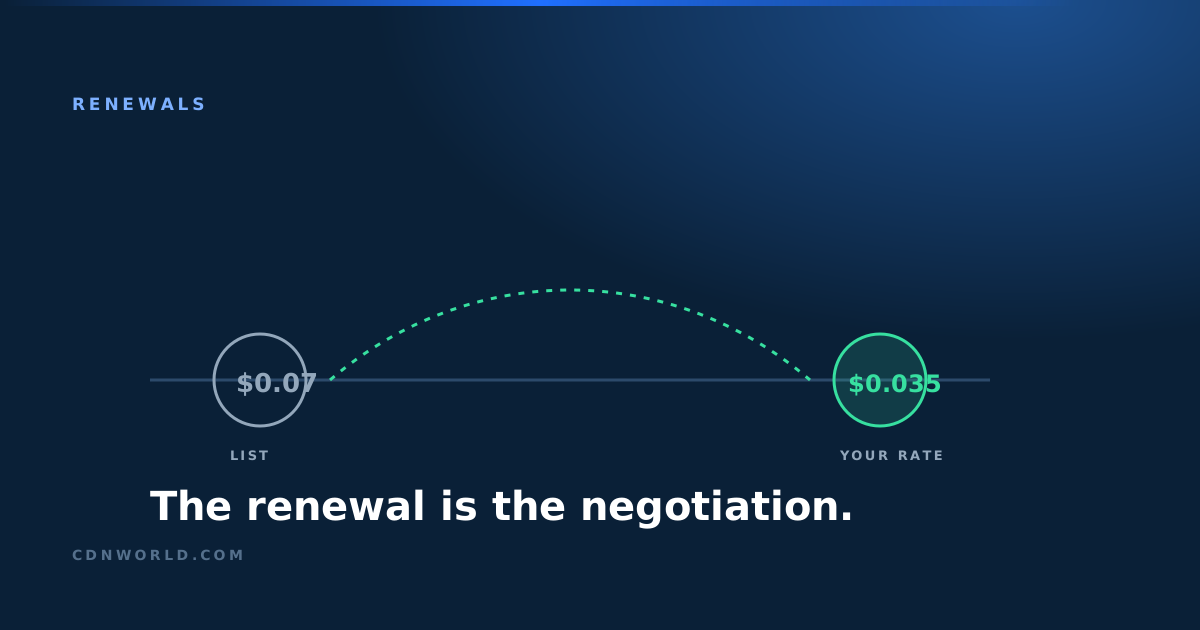 Pricing CDN list price versus street price.
 Why the rate card is an opening position, and what buyers actually pay.
 Review Akamai review 2026.
 What the largest network is worth, and what it is not.
 Trends Edge computing for buyers.
 What is real, what is roadmap, and what it costs.
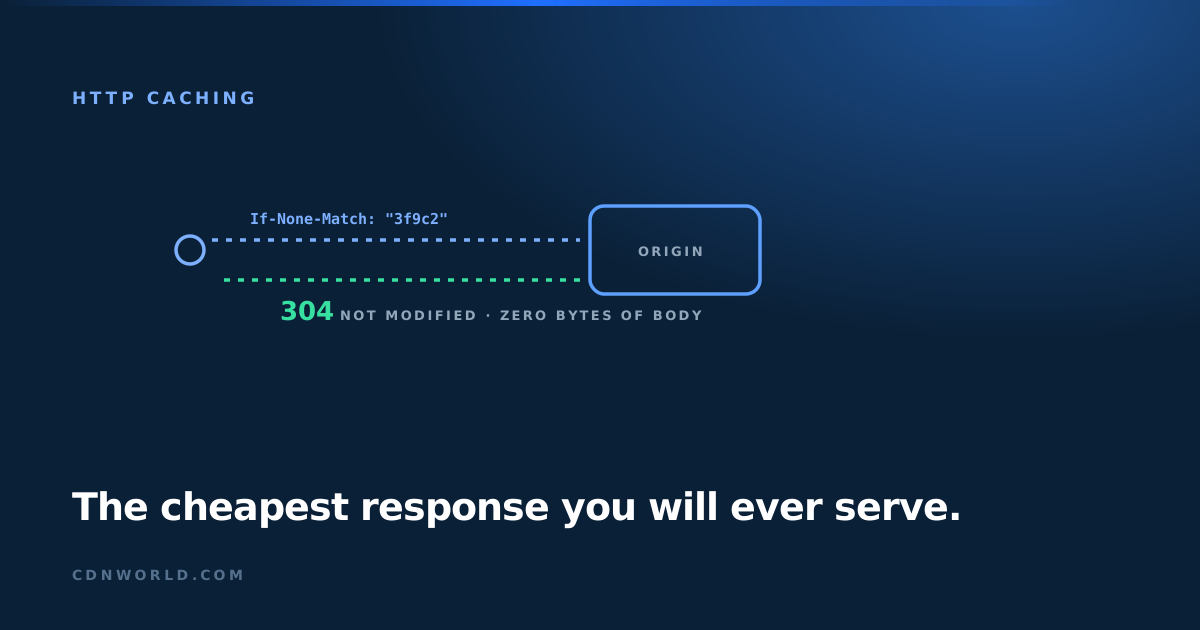 Engineering ETags and conditional requests, done right.
 304s are the cheapest responses you will ever serve, if your validators actually validate.
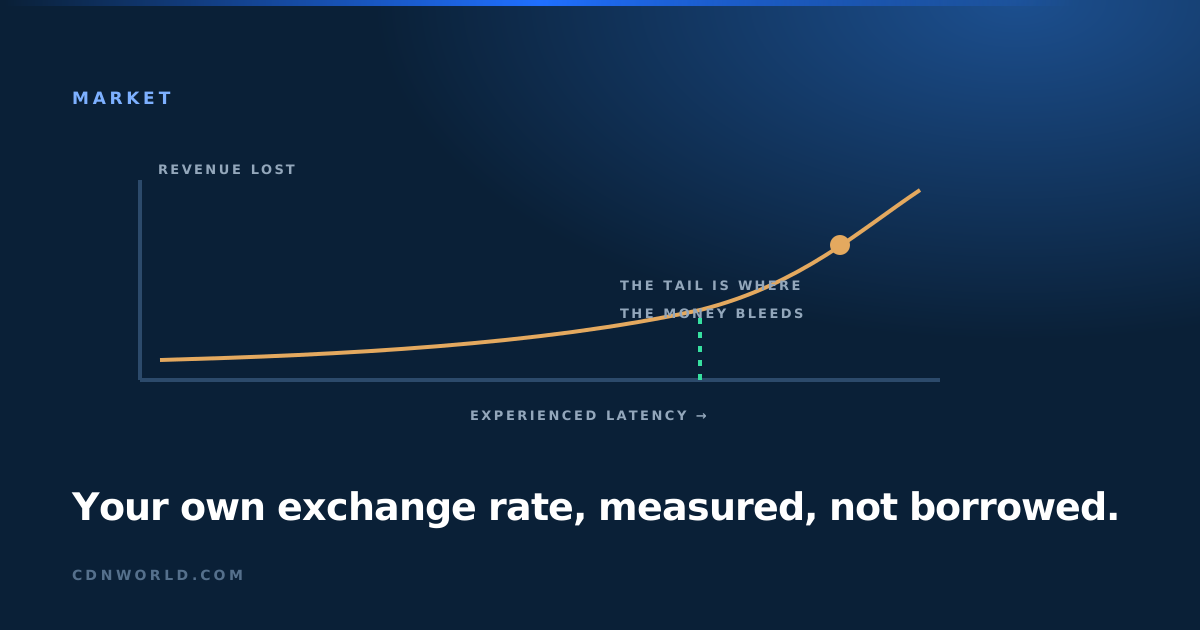 Market analysis What a millisecond is worth: the evidence, honestly read.
 The famous latency-revenue studies, what they actually measured, and how to price milliseconds for your own product.
 Media Image delivery in 2026.
 Formats, edge optimization, and what the bytes are worth.
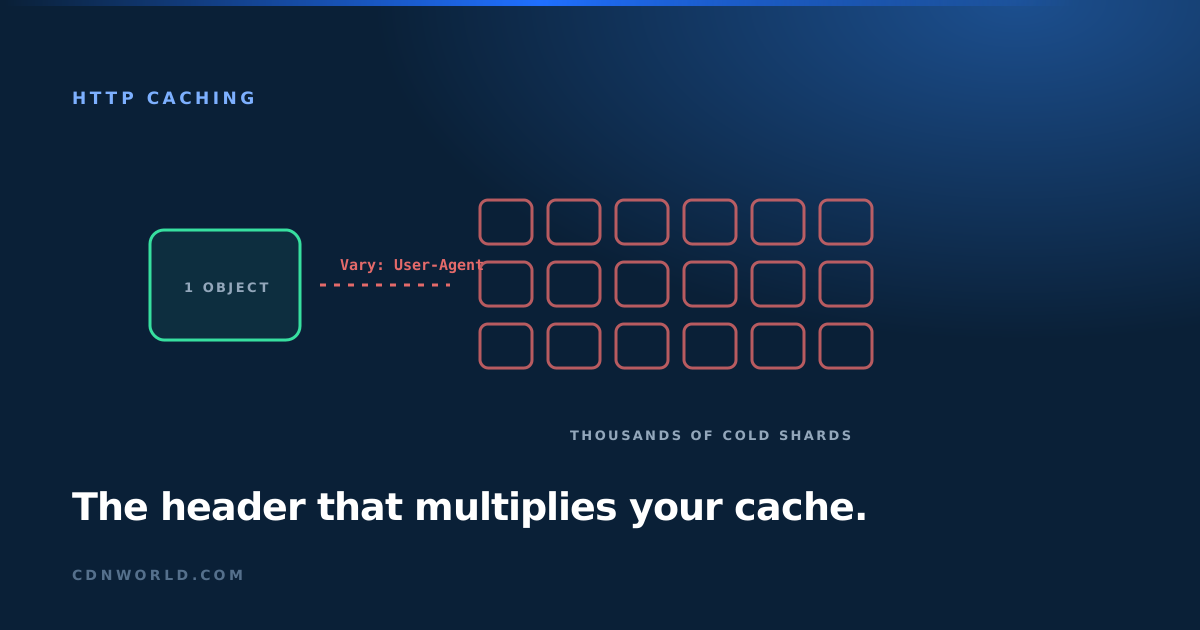 Engineering Vary, cache keys, and the art of not fragmenting.
 The header that multiplies your cache into shards, and how to keep the shards countable.
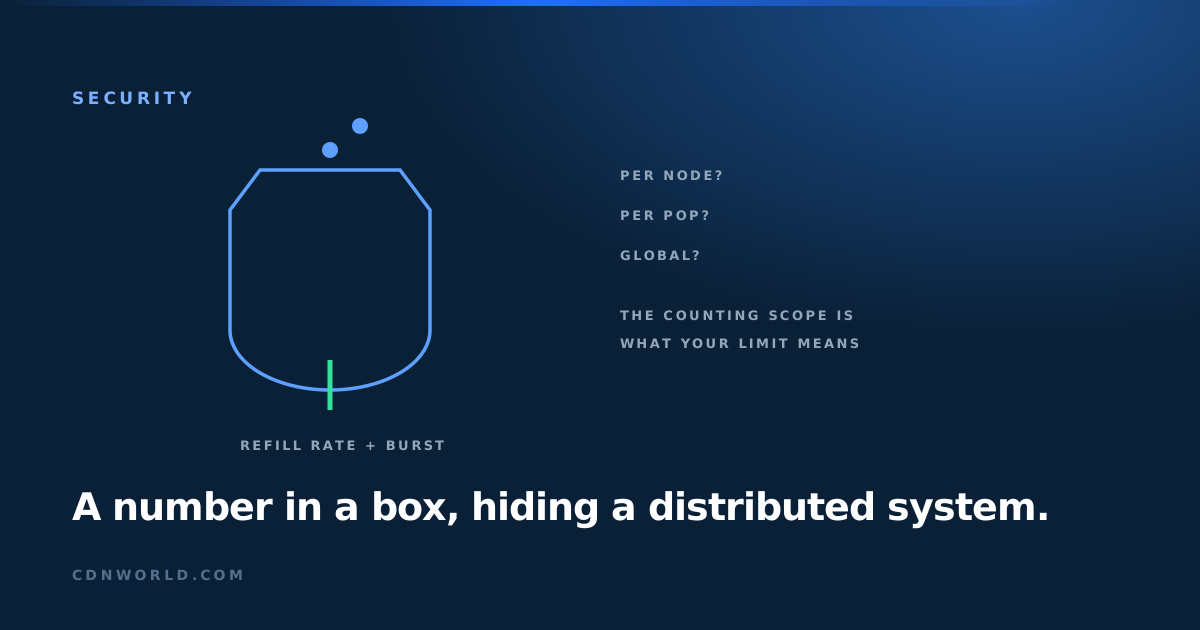 Engineering Rate limiting at the edge: algorithms and honesty.
 Token buckets, sliding windows and the distributed-counting problem underneath every limit you set.
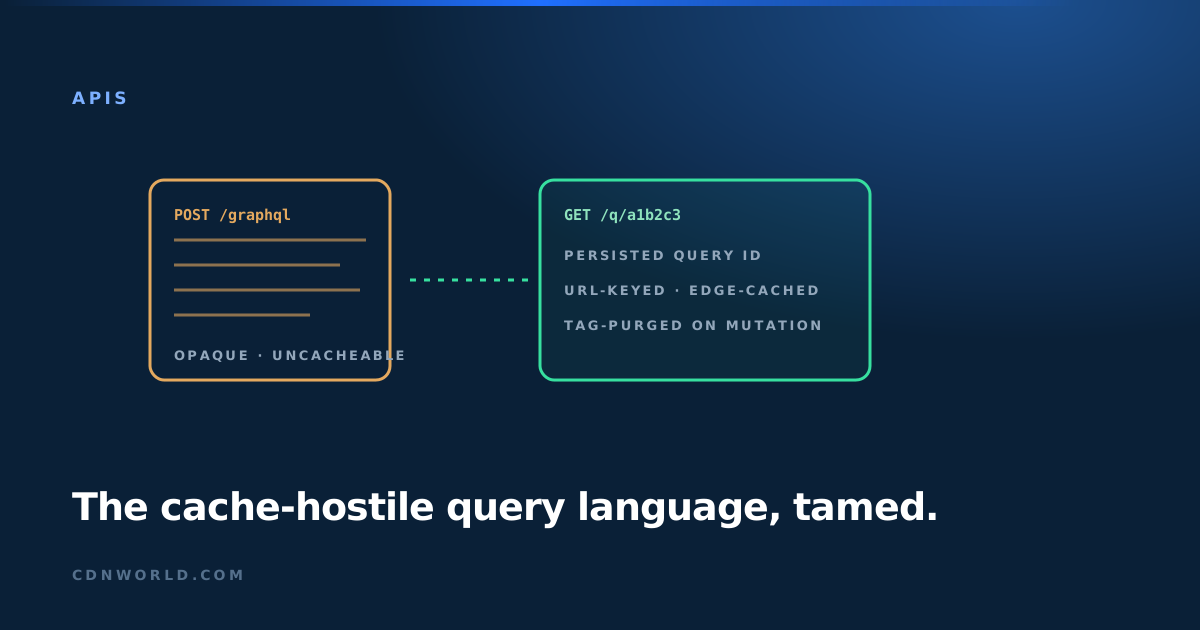 Engineering Caching APIs, including the GraphQL problem.
 REST responses cache beautifully; POST-shaped query languages do not. The techniques that close the gap.
 Security The CDN security buying guide.
 WAF, DDoS and bot management without the security premium.
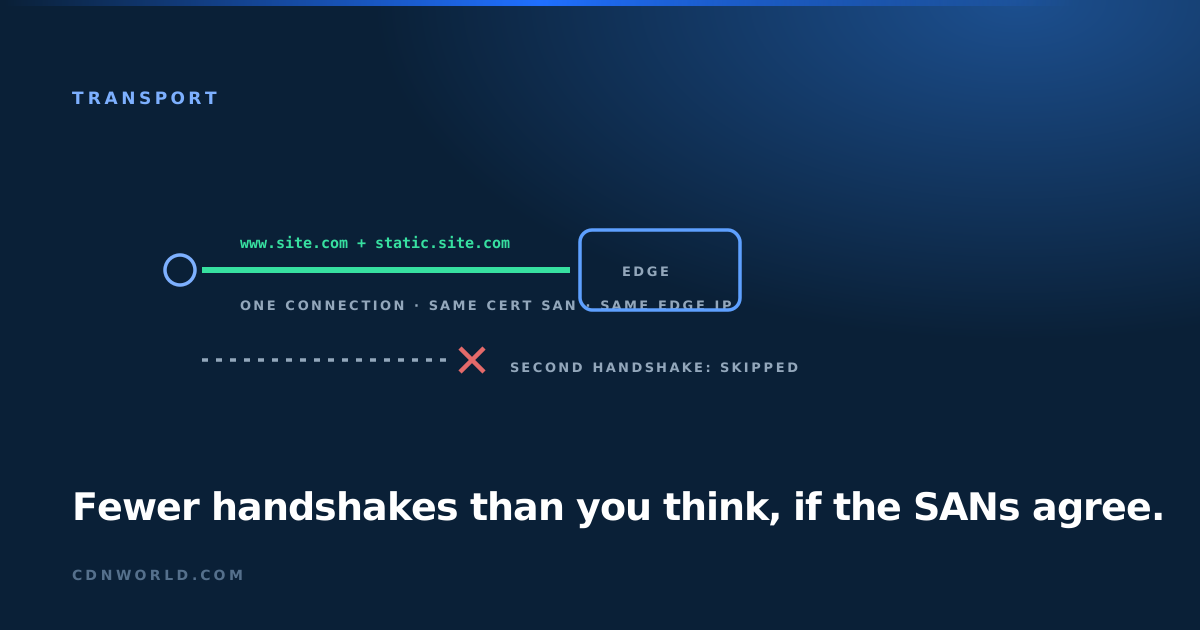 Engineering Connection coalescing: fewer handshakes than you think.
 How HTTP/2 and HTTP/3 reuse one connection across hostnames, and the certificate details that make or break it.
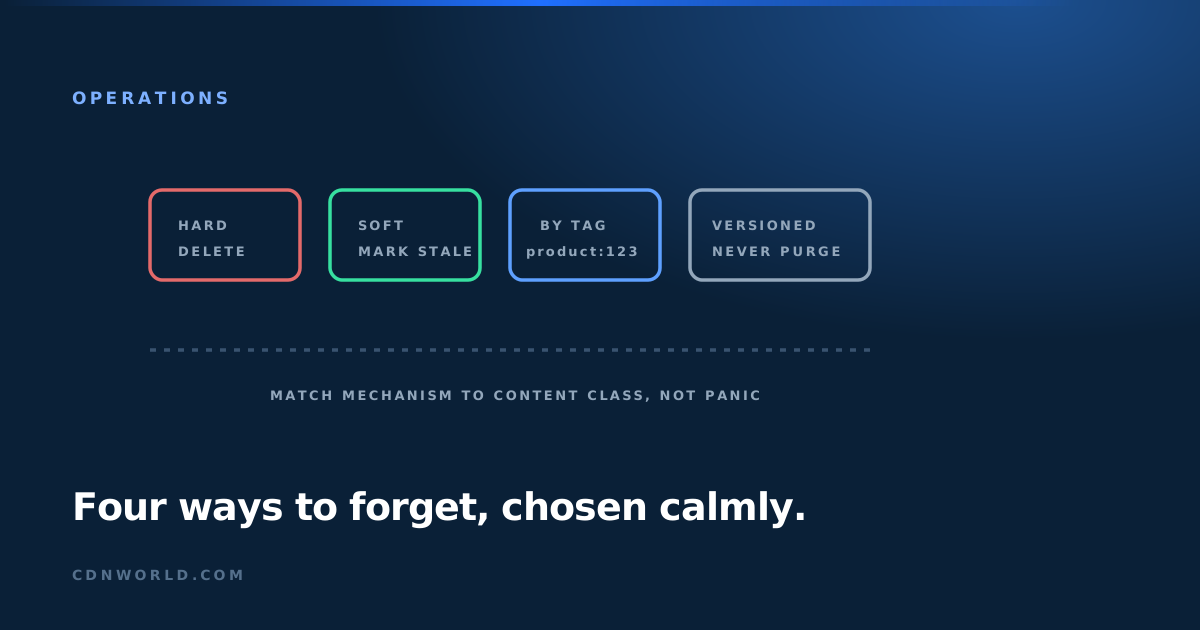 Engineering Purge strategies: invalidation without incidents.
 Hard purge, soft purge, tags and versioning: choosing the right forgetting mechanism per content class.
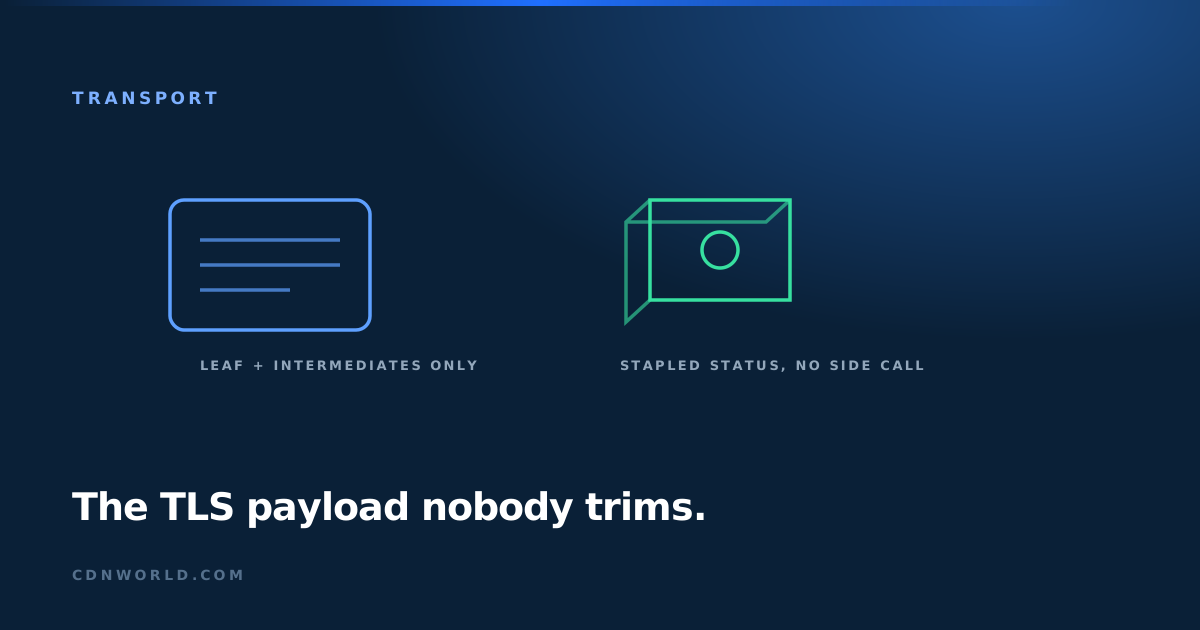 Engineering Certificate chains, OCSP and the milliseconds they cost.
 The TLS payload nobody optimizes: chain size, revocation checking, and stapling done properly.
 Regions CDN delivery in mainland China, honestly.
 ICP filings, in-country POPs and what the real costs look like.